N.C. Cooperative Extension - Iredell County Center
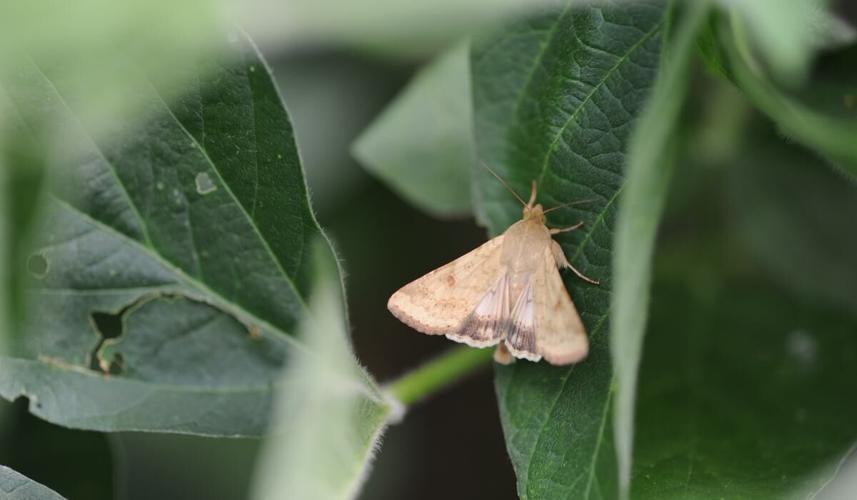
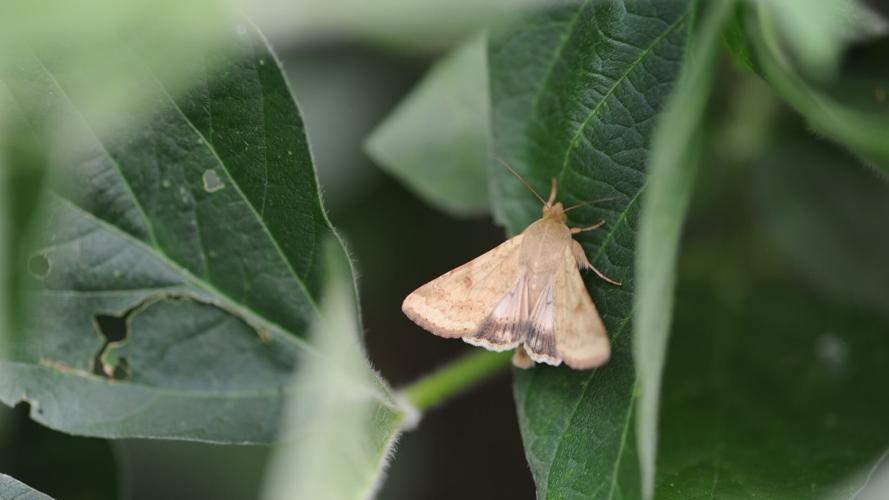
Corn earworm activity has been unusually high this year. Pheromone traps captured about three times as many moths in June 2026 as they did in June 2025. Now, light trap captures across the state show that moths are active and laying eggs in crops.
However, high moth catches do not always lead to problems in soybeans. A lot can happen between egg laying and crop damage. Diseases, predators and parasitoids can kill many eggs and larvae before they cause economic loss.
Blooming soybeans are highly attractive to moths looking for places to lay eggs. Fields become less attractive for egg laying once pods begin to develop at R3. Still, larvae already present in a field can begin feeding on pods and seeds as they form.
Begin scouting closely when soybeans reach R3, or beginning pod. Several resources are available to help:
Scouting for Insects on the N.C. Cooperative Extension soybean portal includes information on sampling for corn earworm. It explains how to use a sweep net or drop cloth and how to use the online corn earworm threshold calculator.
The surest way to prevent yield loss is to treat when the economic threshold is reached. One common mistake is deciding not to treat a field because it has low yield potential. Corn earworm larvae eat about the same amount of pods and seeds whether a field is expected to yield 20 or 80 bushels per acre. As a result, they may take a greater percentage of the crop from a low-yielding field.
Soybeans can tolerate very high numbers of corn earworms while they are blooming at R1 and R2. Do not add an insecticide to a fungicide application just because a few larvae are present. Before pods develop, the crop can often compensate for feeding, and natural enemies may prevent the population from becoming a problem.
Watch blooming fields now, begin careful scouting as pods develop and treat only when the economic threshold is reached.
This content is sourced from
N.C. Cooperative Extension - Iredell County Center
. It reflects the author's views and has not been edited by our newsroom. It may have been generated using AI assistance.