Before the invasion of Normandy, the allied forces had to make sure the weather forecast was favorable to operate what would ultimately be known as D-Day.
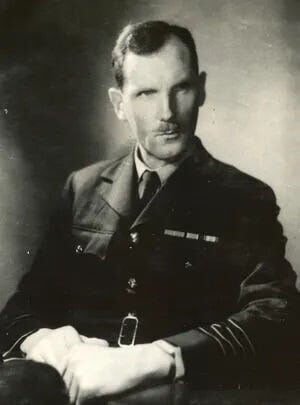
It's been 82 years since Gen. Dwight D. Eisenhower's chief meteorologist, Group Capt. James Martin Stagg, made one of the most important weather forecasts of all time. Defying his colleagues, he advised Ike to postpone the invasion of Normandy by one day from June 5, 1944, to June 6 because of uncertain weather conditions.
Under the cover of darkness, paratroopers dropped into Normandy from more than 1,200 aircraft. Sunrise brought wave after wave of landing vessels carrying American, British, French and Canadian ground troops who stormed 50 miles of coastline in Northern France that German troops fiercely defended. The Allied invasion of Normandy would become a pivotal moment of World War II and the largest seaborne invasion in history. It was June 6, 1944.
A landmark UN World Meteorological Organization report warns there is an 86 percent probability that at least one year between 2026 and 2030 will surpass the 2024 global heat record — with 2027 the most likely candidate due to an emerging El Nino. For Americans, the report projects higher-than-average heat across virtually every US state, intensifying drought in the Southwest, increasing wildfire risk from California to the Southeast, and heavier rainfall events causing catastrophic flooding across the Midwest and Northeast. The global average temperature from 2026 to 2030 is projected to be up to 3.4 degrees Fahrenheit above the pre-industrial baseline. WooGlobe Ref : WGA226368
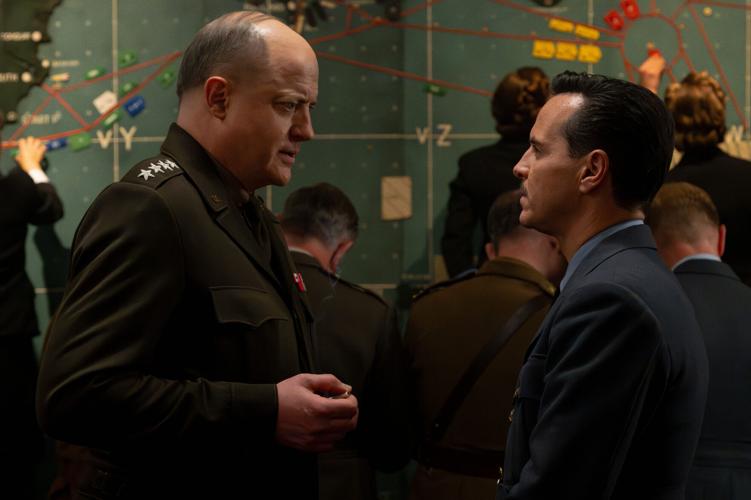
Gen. Dwight D. Eisenhower (portrayed by Brendan Fraser, left) depends on a weather forecast from Capt. James Stagg (Andrew Scott) in the new World War II thriller "Pressure."
Gen. Dwight D. Eisenhower (portrayed by Brendan Fraser, left) depends on a weather forecast from Capt. James Stagg (Andrew Scott) in the new World War II thriller "Pressure."