The Overmountain Men were frontier settlers who had established homes in the Appalachian Mountains. They came from parts of Virginia, North Carolina, and what is now Tennessee and Kentucky.
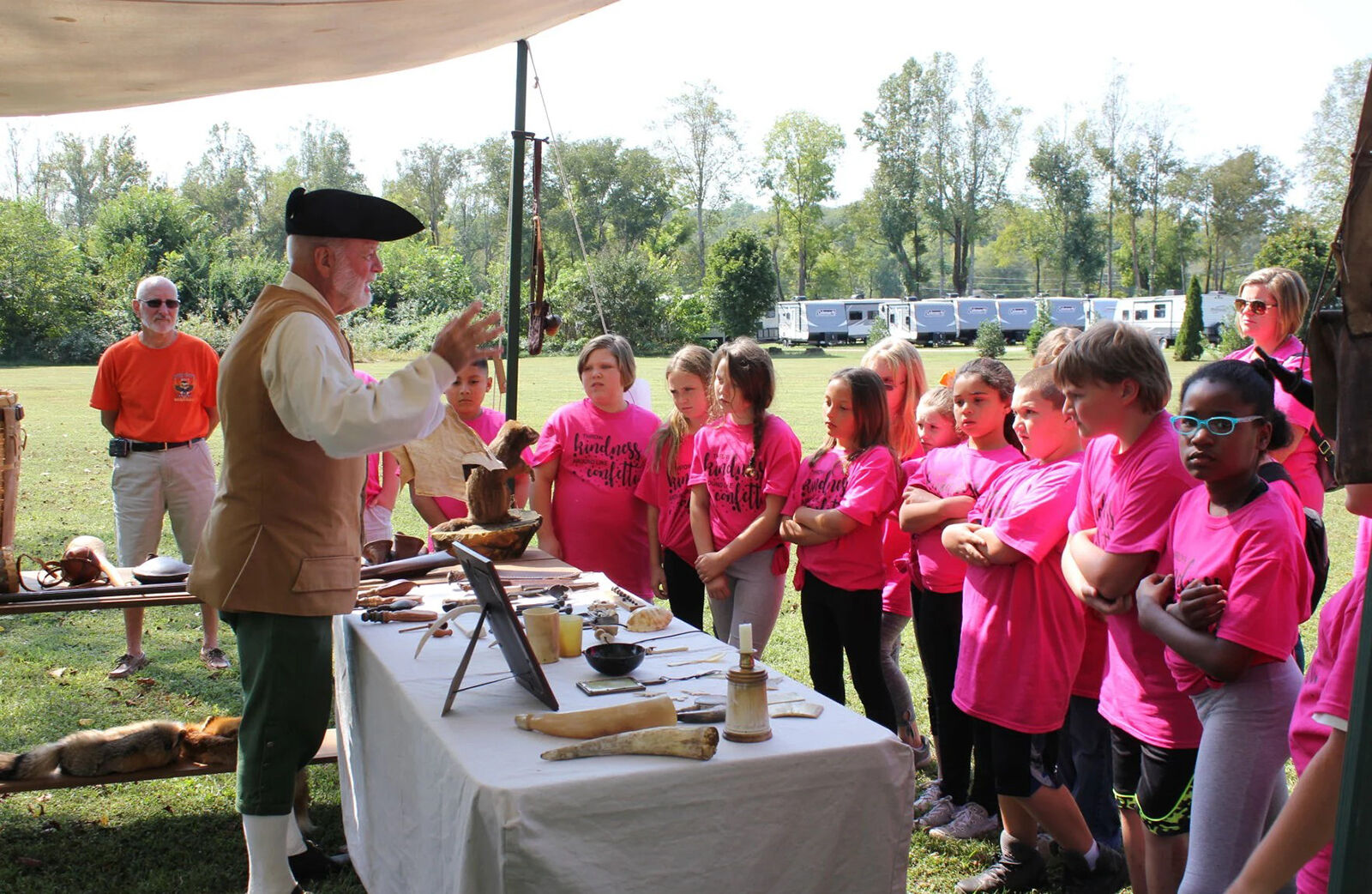
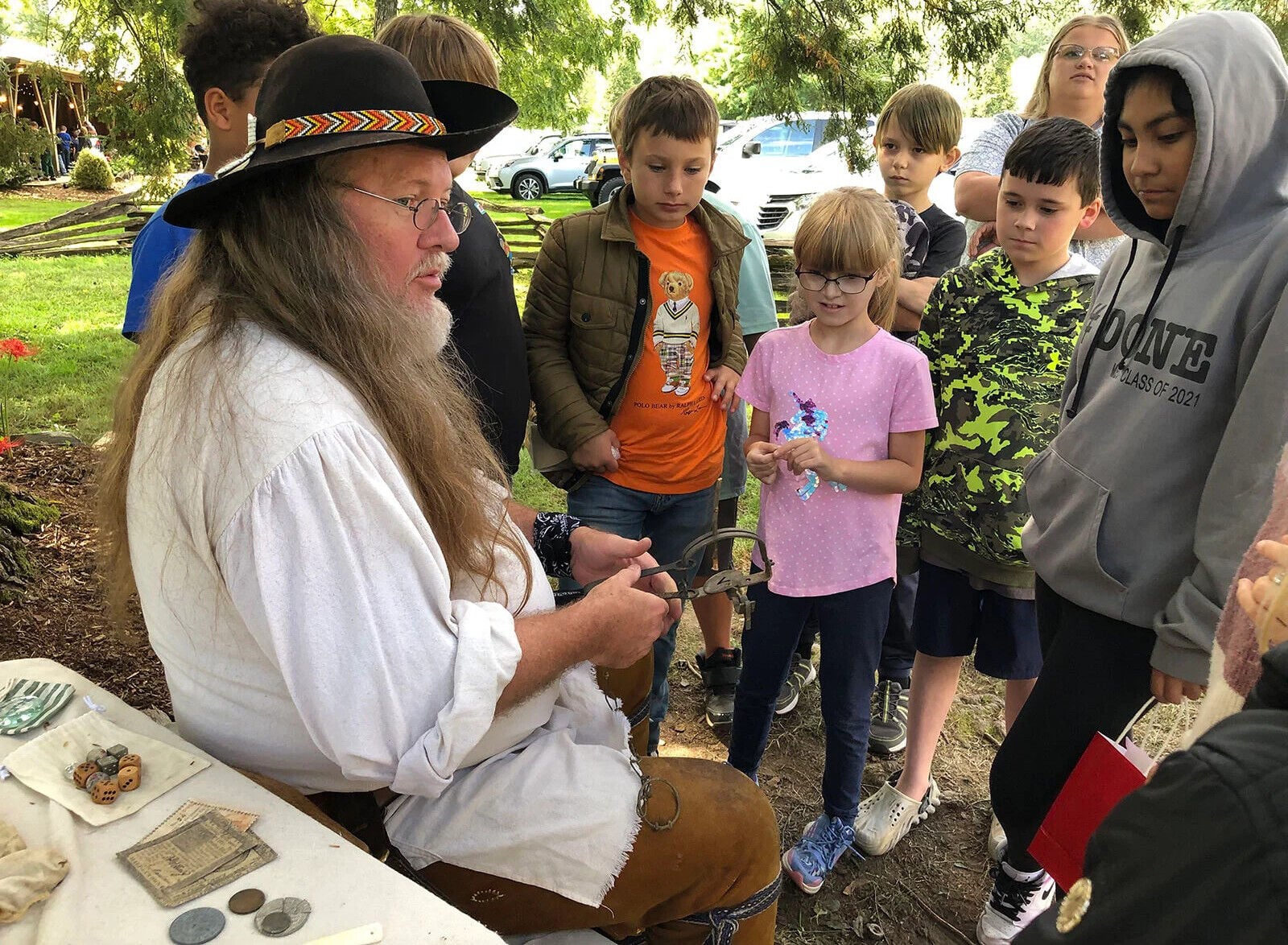
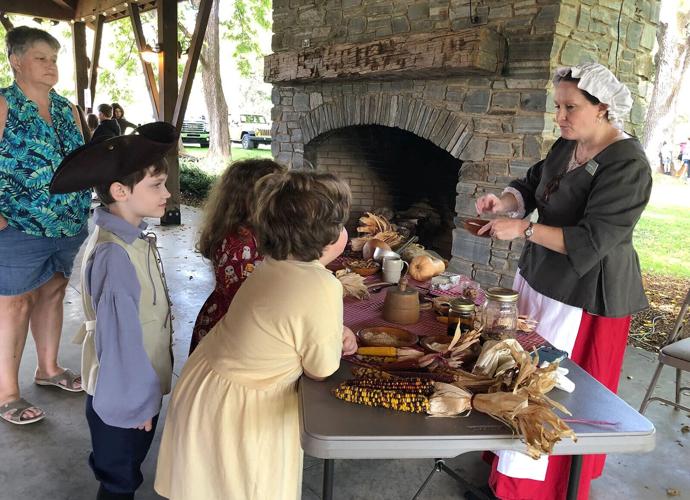
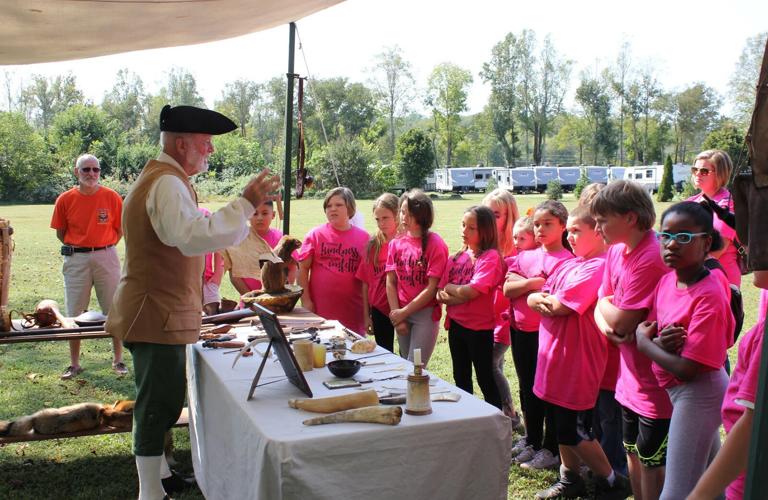
Here, reenactors with the Overmountain Victory Trail Association present a living history program to students at Historic Carson House’s Jubilee Arbor.
The Battle or Skirmish at Cane Creek was fought in what is now Dysartsville in southern McDowell County. U.S. Highway 64 goes by the site where the fighting happened on Sept. 12, 1780.
Reenactors with the Overmountain Victory Trail Association and Davidson’s Fort Historical Park at te kickoff of McDowell County’s America 250 series of celebrations.
Members of the Overmountain Victory Trail Association fire muskets in honor and memory of the Overmountain Men who met at Quaker Meadows in Burke County on Sept. 30, 1780 and defeated the British at Kings Mountain.
Members of the Overmountain Victory Trail Association fire muskets in honor and memory of the Overmountain Men who met at Quaker Meadows in Burke County on Sept. 30, 1780 and defeated the British at Kings Mountain.
The Overmountain Men were frontier settlers who had established homes in the Appalachian Mountains. They came from parts of Virginia, North Carolina, and what is now Tennessee and Kentucky.
Here, reenactors with the Overmountain Victory Trail Association present a living history program to students at Historic Carson House’s Jubilee Arbor.
The Battle or Skirmish at Cane Creek was fought in what is now Dysartsville in southern McDowell County. U.S. Highway 64 goes by the site where the fighting happened on Sept. 12, 1780.
Reenactors with the Overmountain Victory Trail Association and Davidson’s Fort Historical Park at te kickoff of McDowell County’s America 250 series of celebrations.