


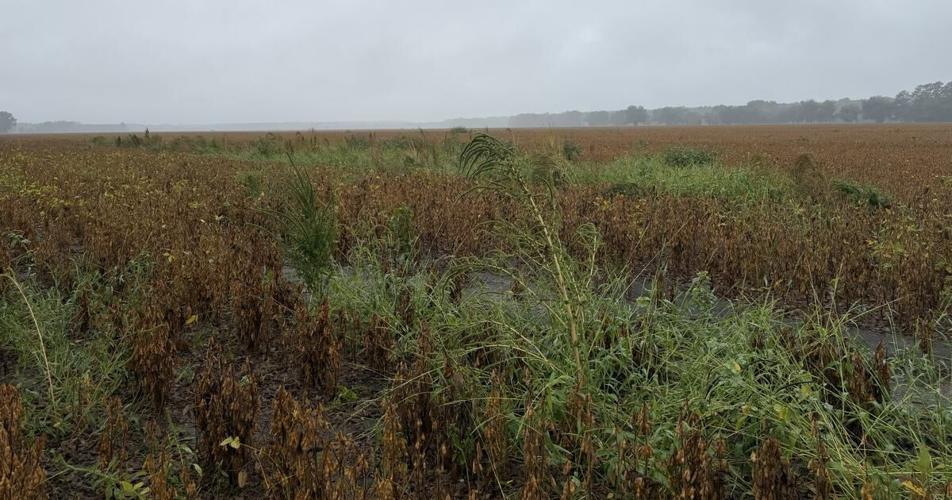
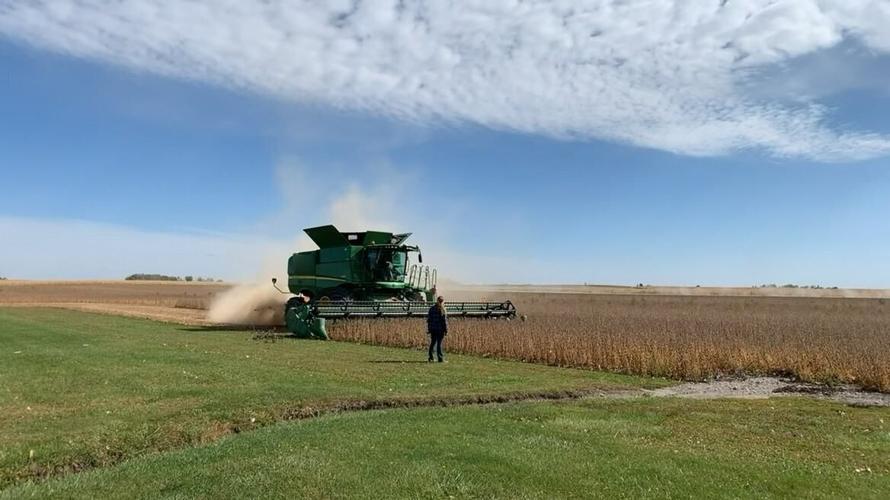
Soybean harvest is in full swing, and it is easy to think our weed worries are behind us for the year. However, as I drive across the state, I continue to see fields with dense patches of weed escapes. Many of these patches are made up almost entirely of pigweeds such as Palmer amaranth, waterhemp, and, less commonly, redroot pigweed.
Unfortunately, there is not much we can do to manage these escapes at this point in the season. Many plants have already reached maturity and produced seed. For next year, make note of heavily infested fields and plan to stay ahead of these weeds with comprehensive herbicide programs and other management practices.
There is, however, one thing we can still do this fall: keep those weed seeds from hitching a ride on the combine into our cleaner fields.
Combines can spread weed seed between fields
People are also reading…
When mature weeds enter a combine, their seed can mix with crop residue and lodge in many areas of the machine. Research has shown that combines can retain substantial amounts of grain and plant material after harvest (Hanna et al. 2009). Work summarized by Dorsey et al. (2022) found that areas such as the head or platform, rock trap, and feeder house can be particularly important locations for retained weed seed. Some of those seeds can remain on the machine and eventually be carried into another field.
Given that many pigweeds in the state are multiple-herbicide-resistant, this is a major concern, because resistant weeds are more expensive to manage. Moving a few seeds from a resistant population into a clean field can create a multi-year weed-management problem. Combines and other equipment can also introduce weed species that were not previously present in a field.
A little time now can save headaches later
I understand that time is of the essence during harvest. A complete, top-to-bottom combine cleaning can take hours and is not feasible. However, a quick 20- to 30-minute cleaning can remove residue and weed seed from several of the most important areas of the machine and reduce the likelihood of carrying those seeds into the next field.
Whenever possible, clean the combine in the infested field you just harvested so the weed seed and residue you remove stay where the weed problem already exists.
What you’ll need
- Eye protection
- Hearing protection
- Gloves
- An N95 or other appropriate particulate respirator
- Leaf blower or portable air compressor with an air wand
Make sure the combine is turned completely off, and the head is either detached or locked in place. Always follow the combine manufacturer’s operating and safety instructions before opening shields or accessing components of the machine.
Quick combine cleaning procedure
Adapted from Dorsey et al. (2022)
- Empty the unloading auger. Run the auger and make sure the grain tank and unloading system are as empty.
- Start at the front of the machine. Blow crop residue and debris from the soybean head or corn head, paying particular attention to areas where residue naturally accumulates.
- Clean the feederhouse and rock trap. Remove accumulated residue from the feederhouse and open the rock trap so trapped material can fall out.
- Open accessible clean-out points. Moving along the sides of the combine, open areas such as the tailings return, clean grain elevator, and unloading auger sump, and remove accumulated residue.
- Clean the exterior and rear of the combine. Use a leaf blower or compressed air to remove residue from both sides of the machine, around the axles, residue-management system, and other areas where plant material has accumulated.
- Check your work and close all access panels. Before moving to the next field, make sure the areas you opened have been cleaned and properly closed.
The goal is not to do a complete combine cleanout and remove every weed seed from the machine. The goal is to reduce the number of seeds we move from a problem field into a clean one. A few minutes spent preventing Palmer amaranth, waterhemp, or another resistant weed from establishing in a new field can save you from headaches and increased expense down the road.
Dorsey, N., Smith, D., Proctor, C., and Oliveira, L. 2022. Preventing Weed Seed Distribution from Combines. University of Nebraska–Lincoln CropWatch. September 22, 2022.
Hanna, H.M., Jarboe, D.H., and Quick, G.R. 2009. Grain residuals and time requirements for combine cleaning. Applied Engineering in Agriculture 25(6):851–861.


