




As the Family and Consumer Sciences (FCS) agent with Wilson County Cooperative Extension Center for nearly five years, Taylor Crumpler shares that no two days are exactly alike and that is what keeps her work engaging. Her work spans nutrition education, budgeting, effectively using SNAP benefits, home food preservation and digital literacy. “I find great fulfillment in hearing clients share their success stories and seeing the positive changes they have made after applying the knowledge and skills they gained through my programs,” Taylor shared.
Historically known as the “Tobacco Capital of NC,” Wilson County’s local food landscape boasts a rich variety of crops filled with sweet potatoes, soybeans, corn, fruits and vegetables. While fresh, locally grown produce is available at the local farmers market, farm stands and community gardens, some residents still experience challenges with accessing healthy foods due to food deserts, limited transportation or lower household incomes. To bridge this gap, Taylor focuses on actionable, practical skills such as budgeting, meal planning, home food preservation and seasonal cooking to ensure families can maximize both health and grocery budgets.
People are also reading…
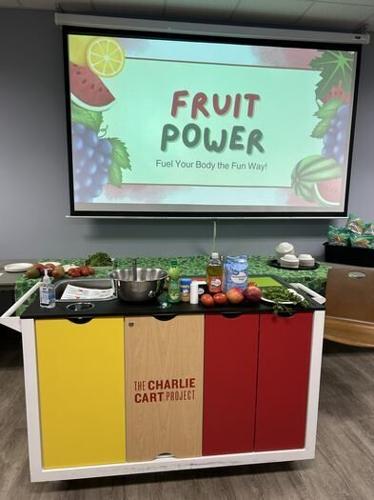
Additionally, Taylor makes an effort to support local agriculture and healthier living in other projects and events such as expanding seed libraries, providing technical assistance to community gardens, offering Harvest of the Month classes and participating in the NC Crunch event. She recently partnered with the library to use the Charlie Cart during a six-week session with elementary-aged children, teaching about food groups, conducting a food demo and highlighting produce grown in the library garden.
A program unique to Wilson County is the Environmental Field Day, a collaborative three-day educational event held at a local farm for Wilson County fourth graders, featuring six interactive learning stations designed to introduce students to the natural resources and agricultural industries that are vital to the community. NC Cooperative Extension hosts one of the six stations focusing on the major crops grown in the county and the variety of products they become after harvest. Taylor shared that “students learn how commodities such as soybeans and corn are used in a wide variety of everyday products, helping them make the connection between local agriculture and the items they encounter in their daily lives. This hands-on experience increases students' awareness of the important role agriculture plays in Wilson County and fosters a greater appreciation for the farmers and producers who support our community.”
Another standout program for Taylor is her annual Farm to Fork 4-H Summer Camp, an interdisciplinary program highlighting the collaborative work of the Wilson County office where participants experience the full journey of food from production to plate. Camp includes visits to local produce and livestock farms, opportunities to learn about backyard gardening from the horticulture agent and Extension Master Gardener Volunteers, and the importance of pollinators through hands-on activities with the local Beekeepers Association. Campers then prepare and cook their own lunch and snacks using many of the agricultural products they learned about during the farm visits, sometimes even having the opportunity to utilize generous donations from the local farmers.
Providing youth with authentic agricultural experiences that many would not otherwise have the opportunity to explore is part of what makes this camp highly successful. “These experiences help build a greater understanding of where food comes from and foster meaningful connections with local agriculture,” Taylor shared. This year, the team expanded the program by incorporating a guided tour of a local meat processing facility and while Taylor acknowledged that this experience exposed participants to an aspect of the food system that is often unfamiliar, it was handled in an educational and age-appropriate manner. “Following the tour, many campers shared that they had developed a greater appreciation for the work involved in producing their food and expressed a deeper respect for the farmers, processors and agricultural professionals who make our food system possible,” she said.
For other local food coordinators wanting to offer similar programs, Taylor shared the importance of building strong relationships with local farmers, producers and community partners that can lead to farm tours, guest speakers, donated products and hands-on learning experiences. “Many of them are eager to partner and share their expertise and support educational programming, especially when it has an impact on youth and families,” she noted. Other suggestions included highlighting farm operations on social media when partnering with them on programming and collaborating within the office whenever possible. “Having a multi-disciplinary approach allows you to create engaging, well-rounded programs while sharing resources and expertise,” she shared.
Taylor sees a bright future for North Carolina’s local food movement, with rising interest in farm-to-school initiatives, community gardens, farmers markets and educational programs that help consumers build relationships with local agriculture — great opportunities for NC Cooperative Extension engagement.


