


A quick glance at weather stations hooked up to the NEWA network shows all locations in Henderson County are still under an inch of rain since last Wednesday. However, those out in the Brushy Mountains are finally getting some well-deserved precipitation. While weather conditions in both locations are currently highly conducive for disease development, particularly Glomerella leaf spot and bitter rot, it is imperative for those in Morganton and into the Brushies to get a fungicide application out as soon as possible.
While GLS is quite severe in unsprayed check trees in our research block, I am hearing very few reports of it in commercial orchards. As you hit the home stretch and begin to harvest "Ginger Gold," make sure to not let your foot off the gas pedal, especially with the humidity and locally intense pop-up rainfalls likely to occur this week.
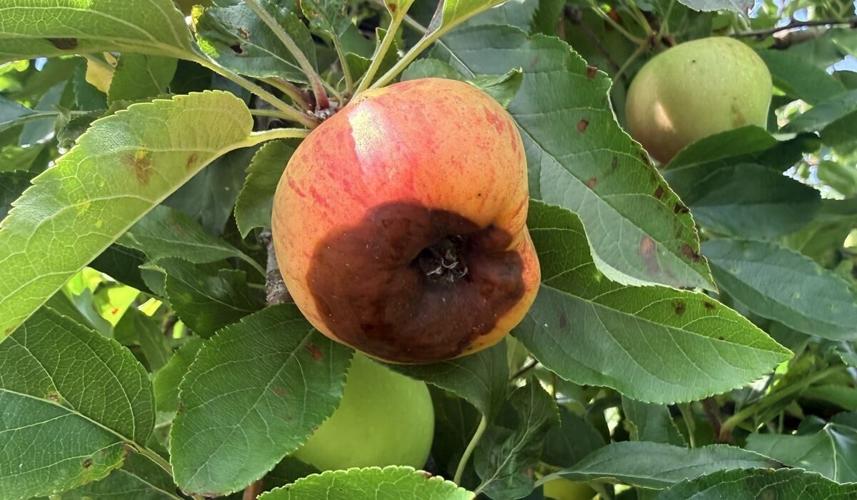
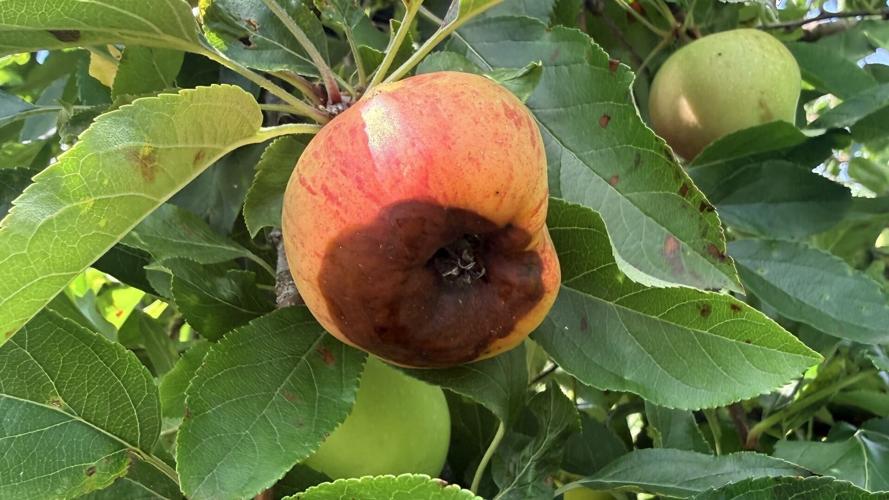
During scouting of my orchards last week, black rot developing on the calyx end of apple fruit was fairly prevalent. The same fungicides you are applying for GLS and bitter rot, including captan, Merivon, Cabrio, Luna Sensation, Flint Extra and Topsin, should work well, so long as there is not resistance. Also, treatments in our Marssonina leaf blotch trial are beginning to display differences. While the Captan 80WDG treatment has been providing OK control, treatments including the DMI fungicides Cevya and Inspire Super, as well as the SDHI fungicide Tesaris or Merivon, continue the multiyear trend of showing the greatest efficacy against MLB.
People are also reading…
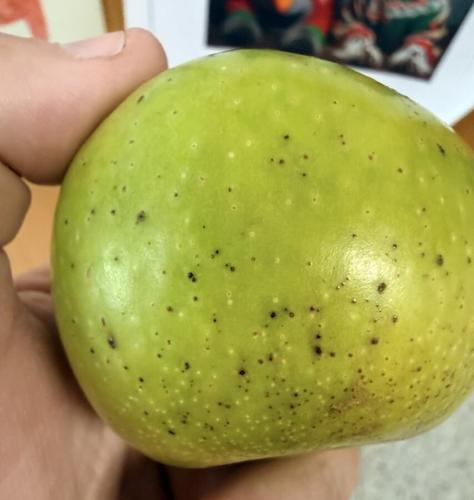
In addition to the usual fungal diseases at this time of year, Tom Kon and I have been seeing some skin issues on fruit coming into our labs, in particular black spotted fruit. While some of these issues have been associated with the heat, sun and general phytotoxicity, we isolated blister spot from a "Pink Lady" block last week. Blister spot is caused by the bacteria Pseudomonas syringae pathovar papulans. Symptoms include a small, raised black to purple colored blister on the epidermis of the fruit that eventually falls off, leaving a small scar. Lesions into the flesh are not deep. Petal fall until about three weeks after is when you want to target bactericides for blister spot, and there is really nothing that can be done for it at this point in the season. For next season, in "Mutsu" and in blocks where you had issues this season, make sure to get a copper application on by green tip. Then, at PF-3C, apply Kasumin rotated with a phosphite fungicide. There is widespread resistance among populations of the blister spot bacterium, so Harbour or Firewall will not be effective.
Lastly, I want to remind you again that GLS and bitter rot infection can still occur without rain. Under ideal temperatures, infection may require less than three leaf wetting hours (LWH). That said, it is important to maintain fungicide applications on seven- to 10-day intervals.
As we start to approach early harvest, some important fungicide preharvest intervals may be approaching on some cultivars.


