


Cultivating care: Why safety must blossom first in therapeutic horticulture
Therapeutic horticulture offers a unique and powerful pathway to healing, growth and well-being. From reducing stress and improving motor skills to fostering social connection and a sense of purpose, engaging with nature in a structured, guided way yields a rich harvest of benefits. However, like any therapeutic intervention, the success and positive impact of a horticultural program are deeply rooted in one fundamental principle: safety.
Ignoring or downplaying safety planning in a therapeutic horticulture setting is not just negligent; it undermines the very trust and security essential for participants to thrive. When individuals feel safe and supported, they are more likely to relax, engage fully and experience the profound benefits horticulture can offer.
So, how do we ensure our therapeutic gardens are not just beautiful, but also meticulously safe spaces for everyone? It starts with thoughtful, evidence-based planning.
People are also reading…
Why safety is paramount: More than just avoiding accidents
Beyond the obvious need to prevent physical injury, robust safety planning in therapeutic horticulture contributes to:
- Psychological safety: Participants, especially those with vulnerabilities (for example, cognitive impairments, trauma history, mental health challenges), need to feel emotionally secure. Predictability, nonjudgmental communication, clear boundaries and a sense of control contribute significantly to this.
- Program effectiveness: When safety measures are in place, facilitators can focus on therapeutic goals rather than managing avoidable risks. Participants, in turn, can concentrate on the activities and their personal growth.
- Ethical responsibility: As therapeutic horticulture practitioners and facilitators, we have an ethical obligation to protect those in our care.
- Sustainability: A program damaged by preventable incidents will struggle to maintain funding, referrals and community trust.
Considerations for a safe therapeutic horticulture program
Key areas to consider when planning for safety
Site assessment and garden design
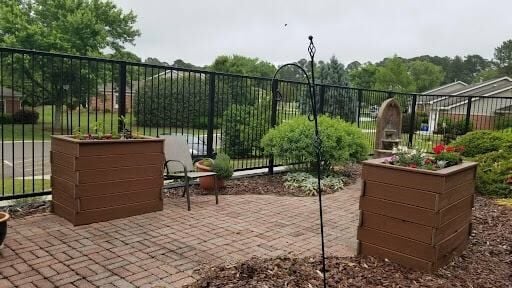
- Accessibility: Is the garden truly accessible for all participants, including those using wheelchairs, walkers or with limited mobility? Are there accommodations for those with low or no vision, sensory sensitivities or different heights?
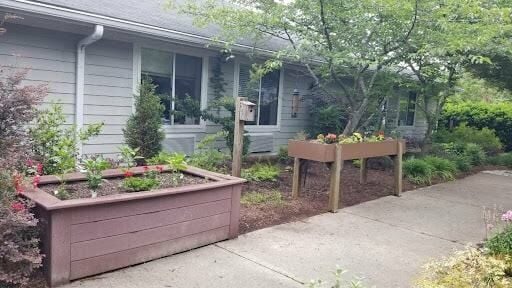
- Examples: Wide, firm, nonslip pathways, at least 36 to 48 inches wide; raised garden beds at varying heights, including seated access; accessible tool storage; gradual ramps instead of stairs. High-contrast colors or textures help those with low vision navigate pathways. Areas away from busy features can offer respite for those with sensory differences. Using vertical plant walls and raised beds can bring plants closer for those who are not able to experience plants at ground level.
- Hazard identification: What potential dangers exist on the site?
- Examples: Uneven terrain, tripping hazards such as hoses or loose pavers, slippery surfaces such as moss or wet leaves, sharp edges on structures or tools, and the presence of toxic or poisonous plants. Ensure clear signage for any unavoidable hazards.
- Sun protection and shade: Are there adequate shaded areas for breaks and sensitive skin?
- Examples: Pergolas, shade sails, mature trees and designated indoor or covered break areas. Consider providing sunscreen and hats.
- Water management: How will water be used and stored safely?
- Examples: Nonslip surfaces around water features; secure covers for rain barrels; clear pathways to water sources to prevent tripping on hoses.
- Pest and critter control: How will you manage unwelcome guests safely?
- Examples: Integrated pest management strategies to minimize chemical use; secure compost bins to deter rodents; awareness of stinging insects and appropriate responses, such as EpiPens if known allergies exist among participants.
Plant selection
- Non-toxic or low-toxicity plants: Prioritize plants that are non-toxic or have very low toxicity, especially if working with children, individuals with cognitive impairments or those who might place objects in their mouths.
- Examples: Avoid highly toxic plants like foxglove, oleander and castor bean. Instead, select herbs like mint, basil and rosemary; vegetables like lettuce, tomatoes and beans; and flowers like sunflowers, marigolds and zinnias.
- Allergen awareness: Be mindful of common plant allergens, such as pollen and sap.
- Examples: If working with individuals prone to allergies, choose low-allergen plants or have antihistamines readily available, with medical oversight. Wear gloves when handling plants with irritating sap, such as euphorbias or ficus.
- Thorns and spines: Minimize or carefully manage plants with sharp thorns or spines.
- Examples: If roses or blackberries are planned, select thornless varieties or position them away from high-traffic areas. Provide thick gloves, instruction and careful supervision for handling thorny plants.
Tool and equipment management
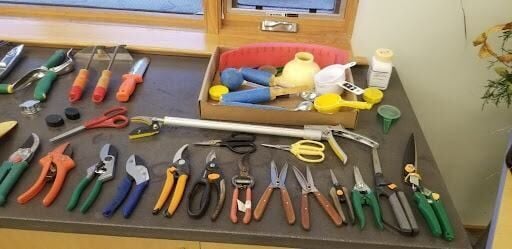
- Appropriate tools: Provide tools suited to the physical capabilities of participants, such as ergonomic handles, lightweight options and adaptive tools.
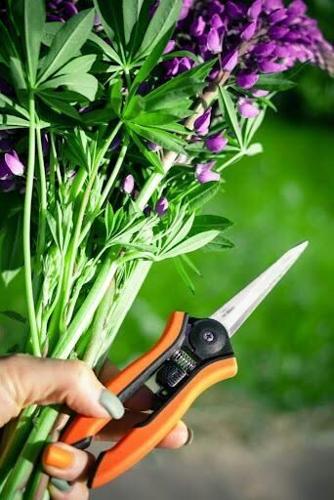
- Examples: Long-handled tools to reduce bending; easy-grip pruners; and trowels with padded handles.
- Storage and maintenance: Implement a system for secure, organized tool storage and regular maintenance.
- Examples: A lockable shed for sharp tools; routine sharpening and cleaning of tools; and regular checks for rust or damage.
- Supervision and instruction: Never allow unsupervised use of sharp or complex tools. Provide clear, step-by-step instructions on safe tool use. Supervise carefully and prepare participants for scheduled breaks to avoid fatigue or inattentiveness with hazardous equipment.
- Examples: Demonstrating correct pruning techniques, emphasizing the importance of keeping fingers away from blades, and one-on-one supervision for new or high-risk tasks.
Emergency preparedness and first aid
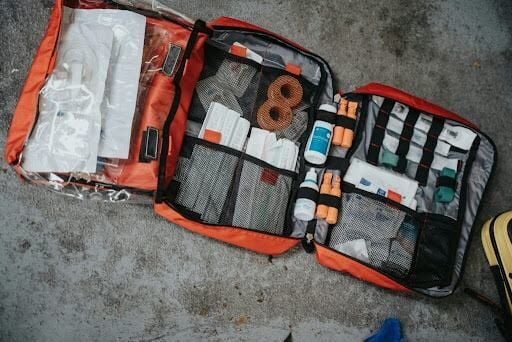
- First-aid kit: A well-stocked, easily accessible first-aid kit is essential.
- Examples: Bandages, antiseptic wipes, sterile gauze, medical tape, gloves, sting relief and eye wash solution. Ensure it is regularly checked and replenished.
- Emergency plan: Develop a clear, written emergency plan for various scenarios, and ensure that all staff and volunteers are well-trained in how to execute the plan.
- Examples: Procedures for medical emergencies such as cuts, falls and allergic reactions; severe weather such as lightning or extreme heat; and behavioral incidents.
- Contact information: Maintain up-to-date emergency contact information for all participants, and ensure that this is collected at intake.
- Staff training: Ensure all facilitators are trained in basic first aid and CPR.
- Communication: Have readily available means of communication, such as a cell phone or walkie-talkies, in case of emergency.
Participant assessment and supervision
- Individual needs: Understand the specific physical, cognitive and emotional needs and limitations of each participant.
- Examples: Prior to starting, review participant assessments, discuss individual challenges with their care team and adapt activities accordingly.
- Appropriate ratios: Maintain adequate staff-to-participant ratios, especially when working with vulnerable populations or engaging in higher-risk activities.
- Dynamic risk assessment: Continuously assess the environment and participants during sessions. Be prepared to adapt activities or intervene if a new risk emerges.
- Hygiene: Emphasize handwashing before and after gardening activities, especially if handling edible plants.
- Examples: Provide accessible handwashing stations or hand sanitizer.
Policies and procedures
- Documentation: Maintain clear documentation of all safety protocols, training and incident reports.
- Review and update: Regularly review and update safety policies and procedures based on new information, incidents or changes in the program.
- Training: Conduct regular safety training for all staff and volunteers.
- Staffing: A facilitator or volunteer going into a site to work with participants must have a permanent staff member present who knows the participants and can assist with information about allergies, behavior issues and any other special needs.
Conclusion: A foundation for flourishing
Planning for safety in a therapeutic horticulture garden program is not an afterthought; it is the fertile ground upon which all other benefits can grow. By meticulously considering potential risks and proactively implementing preventative measures, we create environments where individuals feel secure, empowered and truly free to experience the profound healing and joy that only nature can provide.
The NC State/NC Botanical Garden Online Therapeutic Horticulture Certificate program focuses on safety in the TH2: Program Development course, which is a must-have for facilitators planning to practice with vulnerable populations due to the emphasis on safety assessment and planning. This course teaches facilitators how to assess a site and participants for potential safety hazards, and how to make the necessary adjustments to avoid liability so that the program can focus on progress.
Let us cultivate care, and let safety be the first seed we plant.


