


WASHINGTON — President Donald Trump’s second-term strengths look different from his first, according to recent polling.
People are also reading…
- Update: Old Fort man killed in motorcycle crash on I-40 identified
- 1 person killed in motorcycle crash on I-40 eastbound near Old Fort
- McDowell County Sheriff’s Office searching for missing classic car
- This new spot in Marion is offering locally grown food and beer, run by farmers and a brewer
- This WNC family lost their home in Hurricane Helene. 19 months later, they're getting a new one.
- Marion man charged with burglary and kidnapping after woman held against her will in home
- Morganton man charged with raping child; placed under $1 million bond
- Trump safe after being rushed from White House correspondents dinner; shooter in custody
- City of Marion issues water shortage advisory due to drought
- McDowell high school victim testified before former guidance counselor pleads guilty to sex crimes
- Duke basketball makes history with Amazon Prime deal, schedules marquee matchups
- U.S. Department of Agriculture declares 2026 drought a disaster for western NC
- McDowell Chamber of Commerce holds annual gala, awarding top businesses, leaders
- McDowell County Schools alum went from Battle of Books to biomedical engineering
- FEMA provides $1.4 million to rebuild from Old Fort’s Hurricane Helene damage


- JOSH BOAK Associated Press

- Dave Goldiner New York Daily News
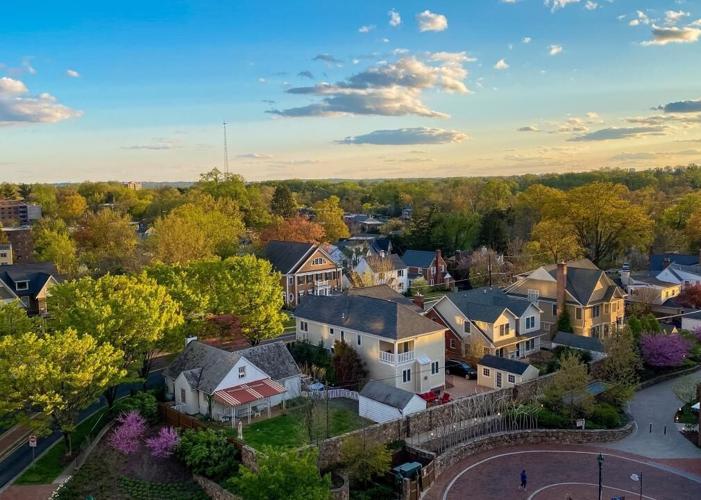
Many Americans who have bid farewell to the workforce or are thinking about it are turning to places that offer affordability, a strong economy, quality health care options, less traffic, and overall, more comfort. Neighborhoods outside major cities and metropolitan areas have grown in popularity among retirees, with 26% moving to smaller towns, but the overall number of people moving for retirement is down.
In 2021, American retirement relocations dropped significantly—approximately 43% less than the previous year, its lowest number of retiree relocations in five years. The Economic Research Federal Reserve Bank of St. Louis suggests this was a result of the ongoing COVID-19 pandemic, soaring home prices, and retirees not having enough savings.
- Nicole Glass Photography // Shutterstock
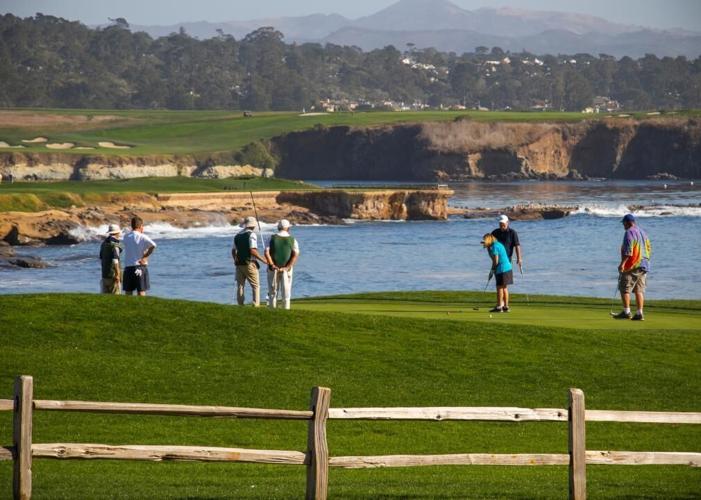
- Population: 4,105 (16% age 55-64 and 40% age 65+)
- Homeowners: 82% of the population
- MiNiProduction // Shutterstock
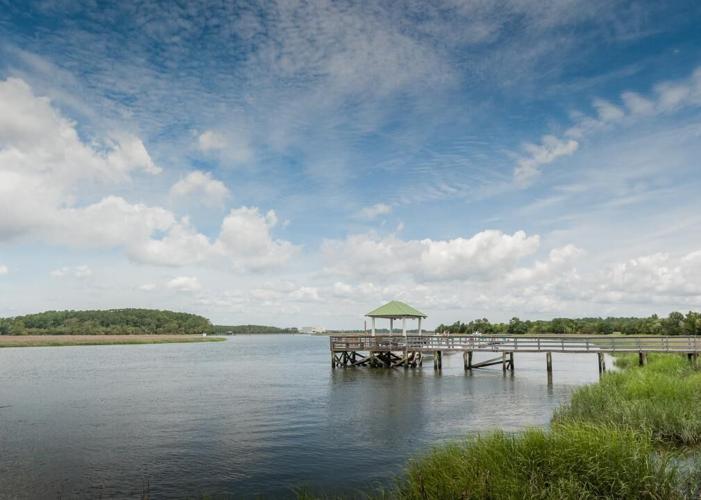
- Population: 1,162 (17% age 55-64 and 28% age 65+)
- Homeowners: 100% of the population
- Diana Daley // Shutterstock
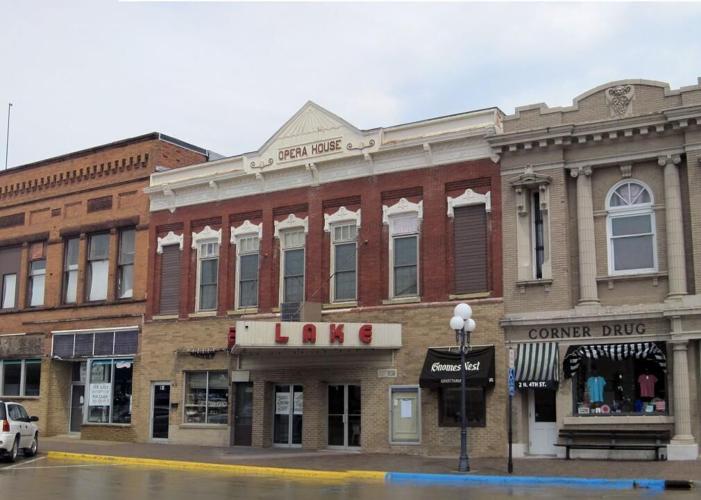
- Population: 7,597 (18% age 55-64 and 25% age 65+)
- Homeowners: 72% of the population
- Billwhittaker // Wikimedia Commons
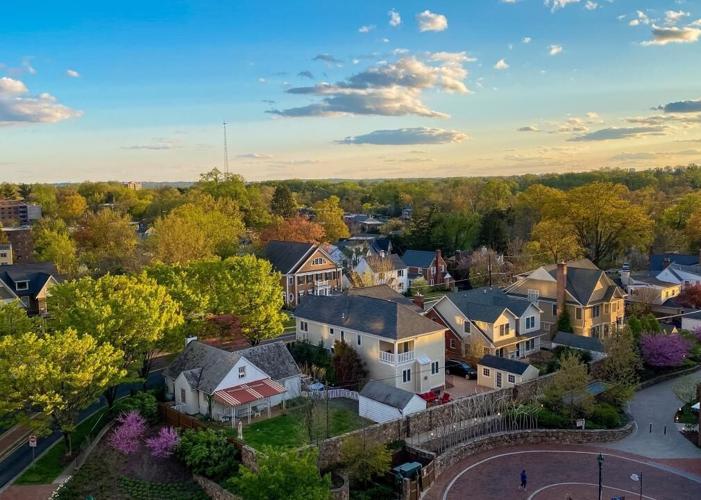
- Population: 9,622 (15% age 55-64 and 23% age 65+)
- Homeowners: 78% of the population
- Nicole Glass Photography // Shutterstock

- Population: 11,077 (15% age 55-64 and 30% age 65+)
- Homeowners: 85% of the population
- Amy Kerkemeyer // Shutterstock
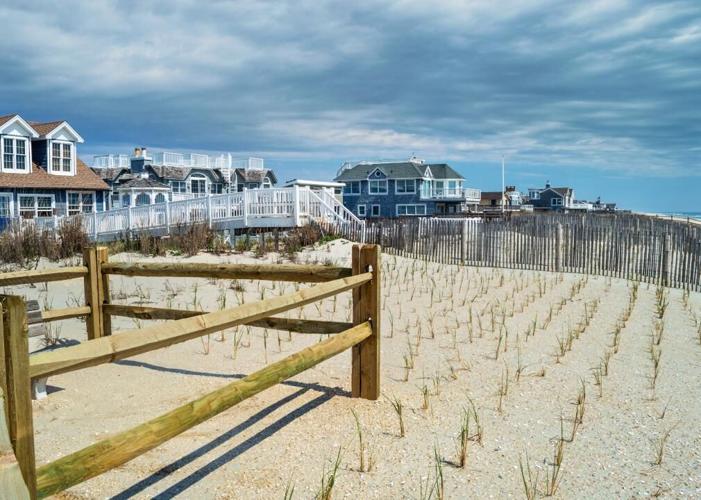
- Population: 1,271 (23% age 55-64 and 50% age 65+)
- Homeowners: 86% of the population
- Andrew F. Kazmierski // Shutterstock
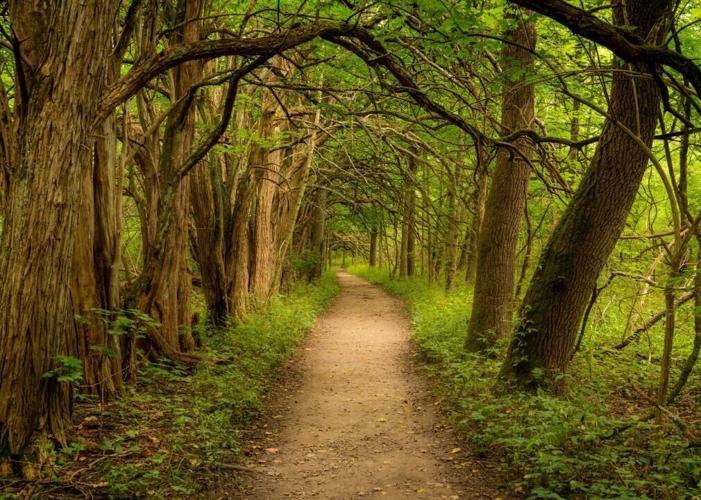
- Population: 7,212 (16% age 55-64 and 19% age 65+)
- Homeowners: 81% of the population
- arthurgphotography // Shutterstock
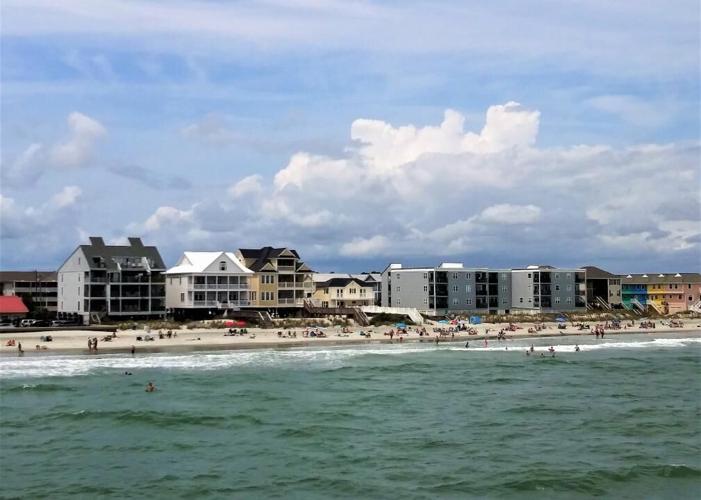
- Population: 10,669 (20% age 55-64 and 40% age 65+)
- Homeowners: 79% of the population
- bsankow // Shutterstock
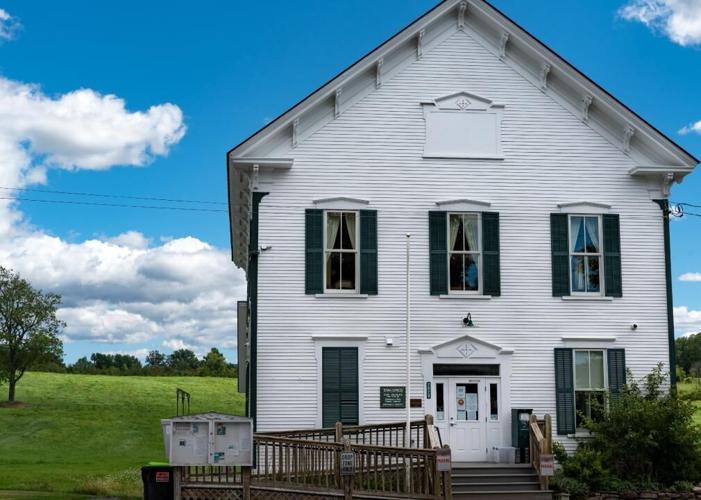
- Population: 1,028 (18% age 55-64 and 29% age 65+)
- Homeowners: 77% of the population
- Bob LoCicero // Shutterstock
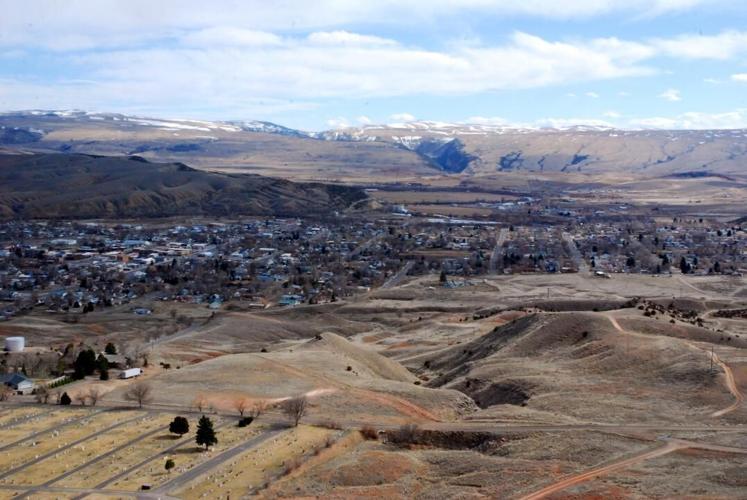
- Population: 2,703 (14% age 55-64 and 26% age 65+)
- Homeowners: 77% of the population
- Jonathan Green // Wikimedia Commons
Best small towns for retirees in every state

Best small towns for retirees in every state
Many Americans who have bid farewell to the workforce or are thinking about it are turning to places that offer affordability, a strong economy, quality health care options, less traffic, and overall, more comfort. Neighborhoods outside major cities and metropolitan areas have grown in popularity among retirees, with 26% moving to smaller towns, but the overall number of people moving for retirement is down.
In 2021, American retirement relocations dropped significantly—approximately 43% less than the previous year, its lowest number of retiree relocations in five years. The Economic Research Federal Reserve Bank of St. Louis suggests this was a result of the ongoing COVID-19 pandemic, soaring home prices, and retirees not having enough savings.
- Nicole Glass Photography // Shutterstock
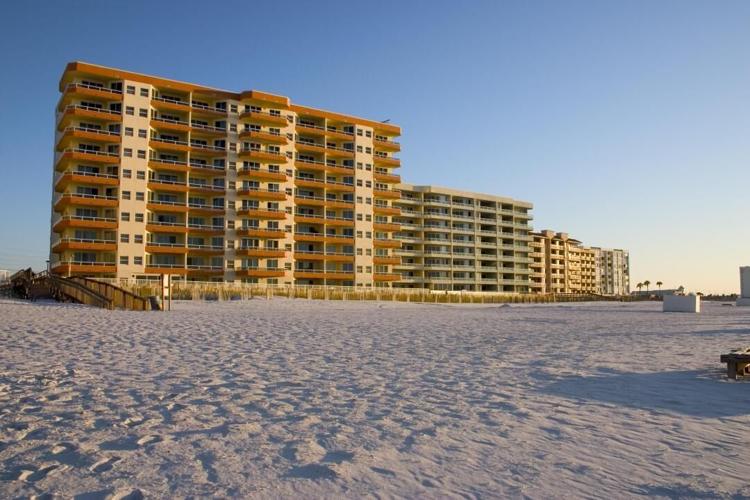
- Population: 6,019 (19% age 55-64 and 34% age 65+)
- Homeowners: 70% of the population
- Chris Watson // Wikimedia Commons
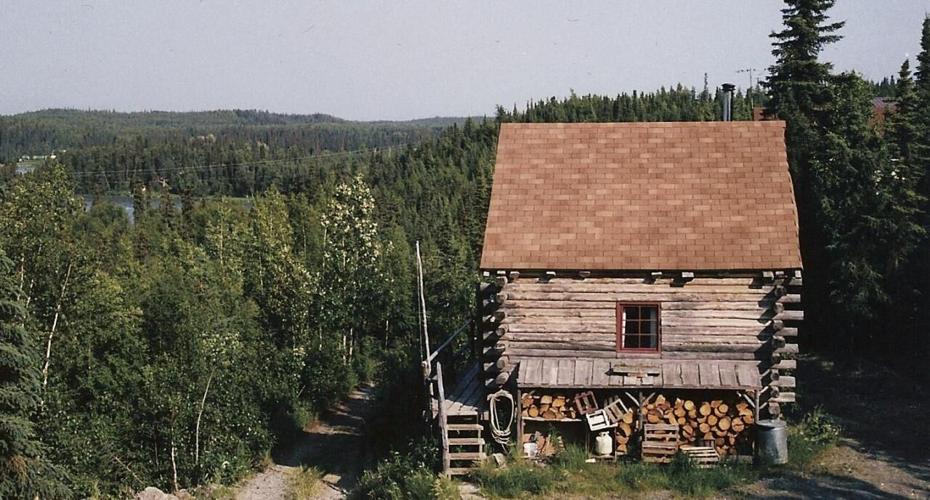
- Population: 4,649 (13% age 55-64 and 20% age 65+)
- Homeowners: 51% of the population
- Brian A. Ridder // Wikimedia Commons
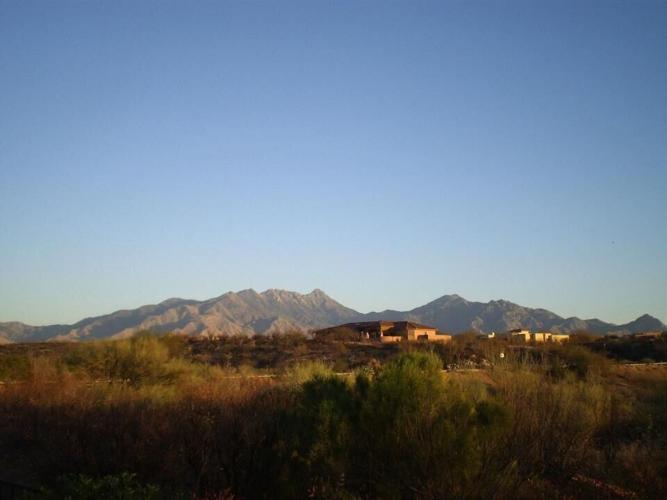
- Population: 20,902 (14% age 55-64 and 80% age 65+)
- Homeowners: 85% of the population
- James Brooks // Wikimedia Commons
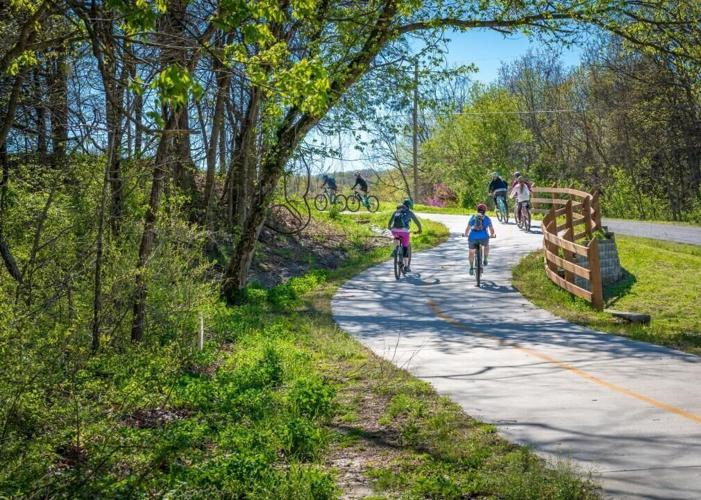
- Population: 28,539 (14% age 55-64 and 33% age 65+)
- Homeowners: 87% of the population
- shuttersv // Shutterstock
- Population: 4,105 (16% age 55-64 and 40% age 65+)
- Homeowners: 82% of the population
- MiNiProduction // Shutterstock
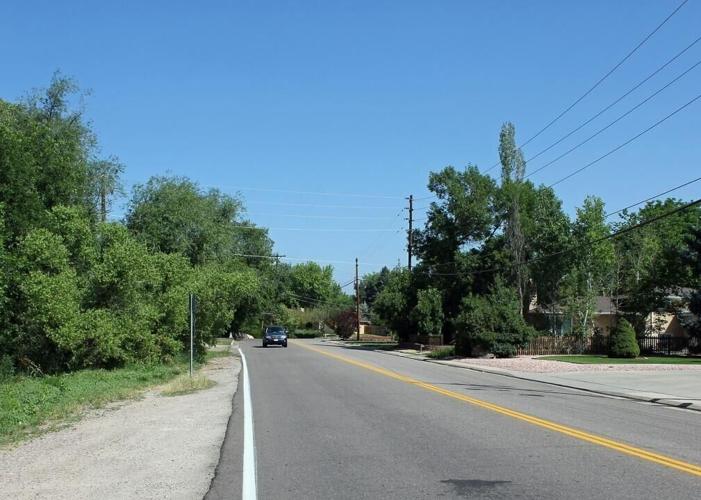
- Population: 2,835 (15% age 55-64 and 21% age 65+)
- Homeowners: 97% of the population
- Jeffrey Beall // Shutterstock
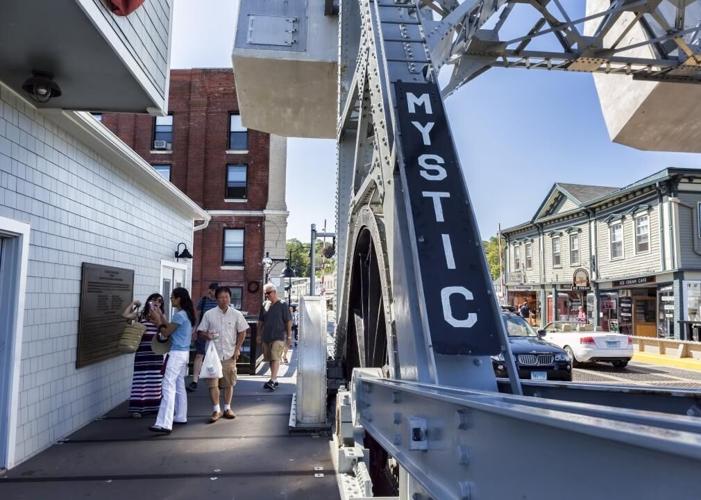
- Population: 4,249 (17% age 55-64 and 32% age 65+)
- Homeowners: 68% of the population
- Paul Latham // Shutterstock
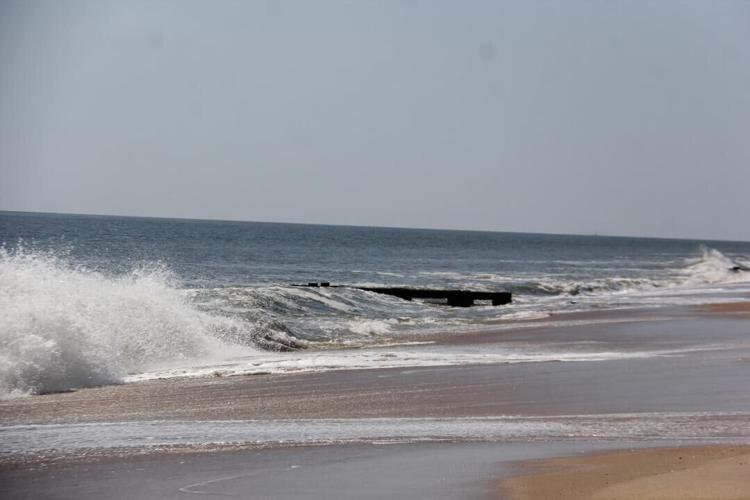
- Population: 1,400 (24% age 55-64 and 48% age 65+)
- Homeowners: 82% of the population
- Ron Shawley // Wikimedia Commons
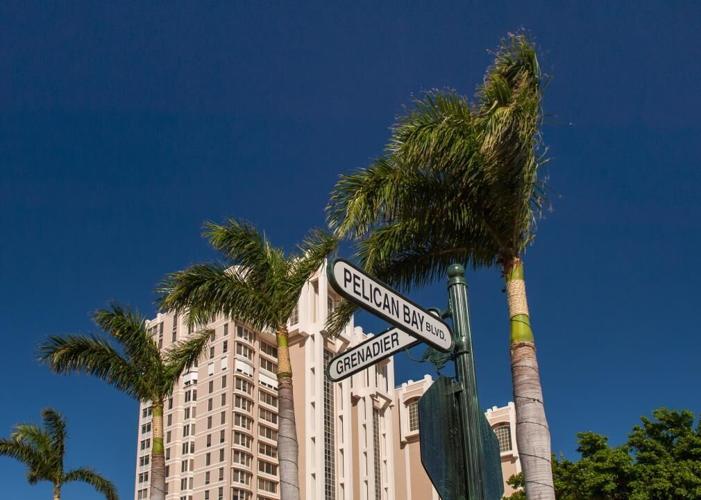
- Population: 6,140 (13% age 55-64 and 83% age 65+)
- Homeowners: 95% of the population
- FloridaStock // Shutterstock
- Population: 1,162 (17% age 55-64 and 28% age 65+)
- Homeowners: 100% of the population
- Diana Daley // Shutterstock

- Population: 6,218 (23% age 55-64 and 25% age 65+)
- Homeowners: 60% of the population
- Elena_Suvorova // Shutterstock
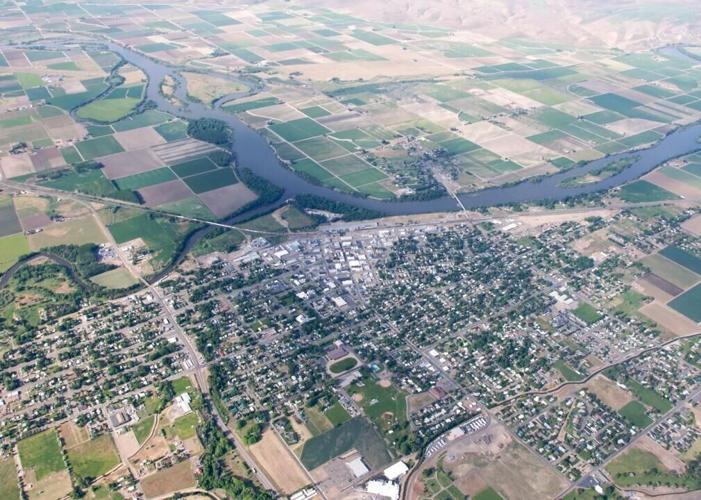
- Population: 5,323 (14% age 55-64 and 20% age 65+)
- Homeowners: 62% of the population
- Sam Beebe // Wikimedia Commons
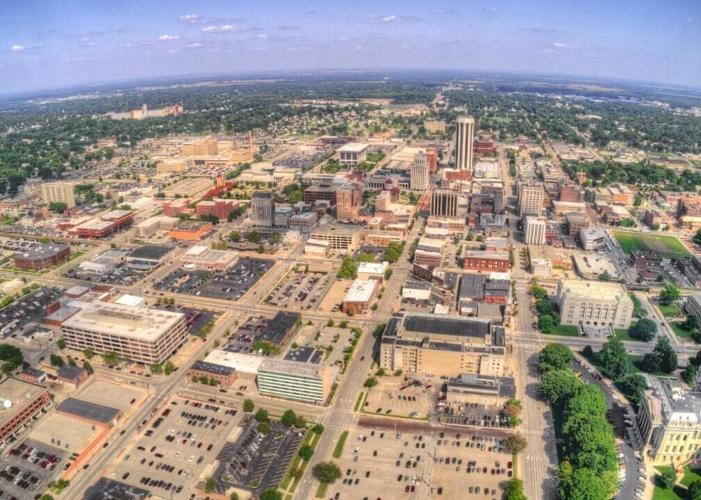
- Population: 1,406 (17% age 55-64 and 34% age 65+)
- Homeowners: 95% of the population
- Jacob Boomsma // Shutterstock
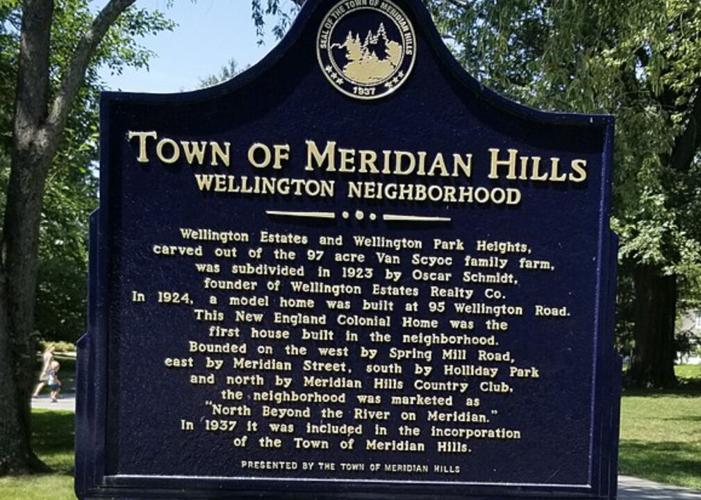
- Population: 1,741 (15% age 55-64 and 18% age 65+)
- Homeowners: 98% of the population
- ONUnicorn // Wikimedia Commons
- Population: 7,597 (18% age 55-64 and 25% age 65+)
- Homeowners: 72% of the population
- Billwhittaker // Wikimedia Commons
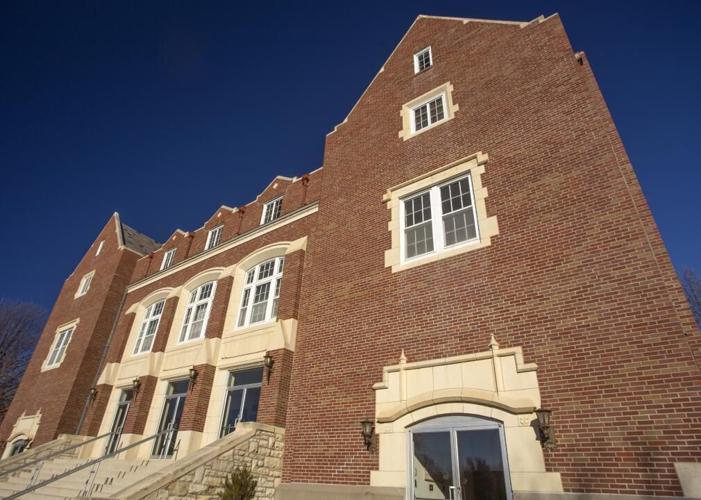
- Population: 1,778 (10% age 55-64 and 30% age 65+)
- Homeowners: 57% of the population
- Weldon Schloneger // Shutterstock
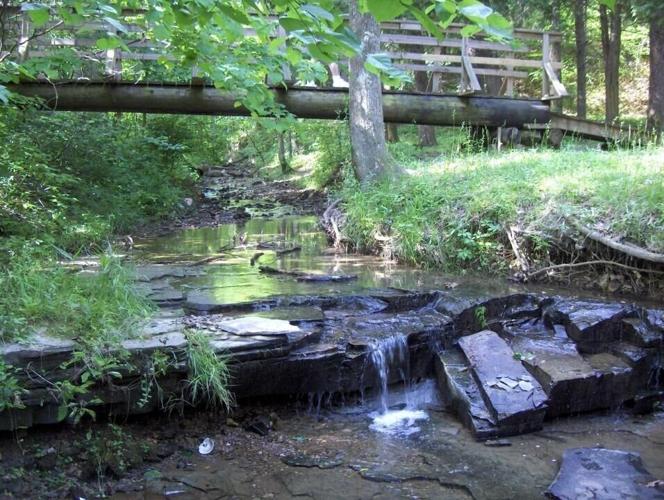
- Population: 2,433 (19% age 55-64 and 33% age 65+)
- Homeowners: 94% of the population
- John Knouse // Wikimedia Commons
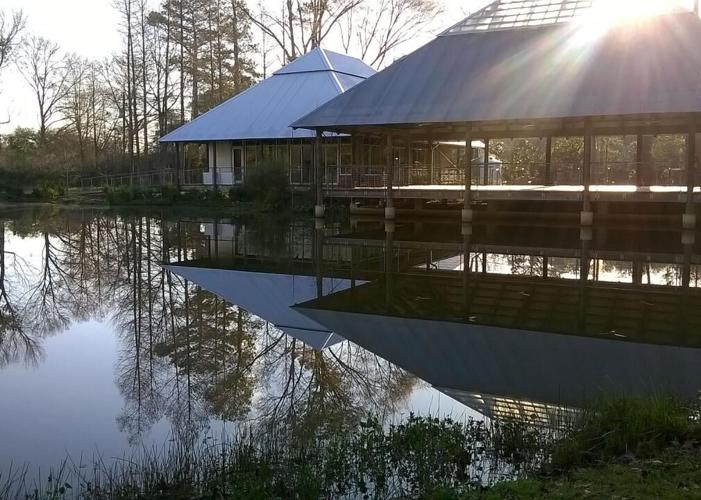
- Population: 2,760 (11% age 55-64 and 22% age 65+)
- Homeowners: 71% of the population
- H.dryad // Wikimedia Commons
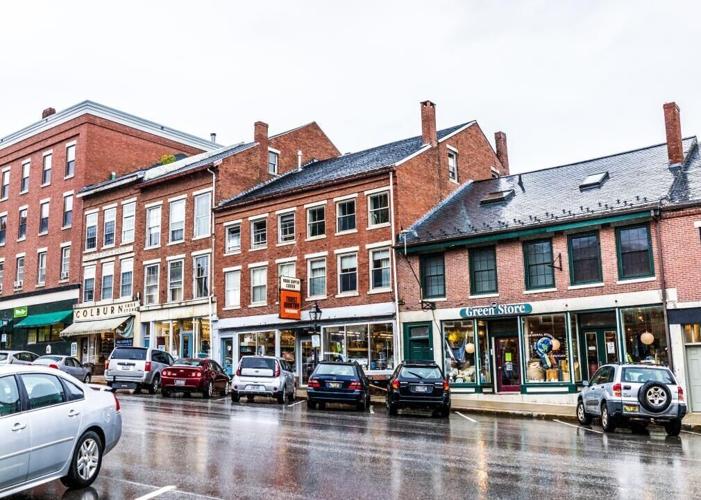
- Population: 6,688 (17% age 55-64 and 26% age 65+)
- Homeowners: 63% of the population
- Kristi Blokhin // Shutterstock
- Population: 9,622 (15% age 55-64 and 23% age 65+)
- Homeowners: 78% of the population
- Nicole Glass Photography // Shutterstock
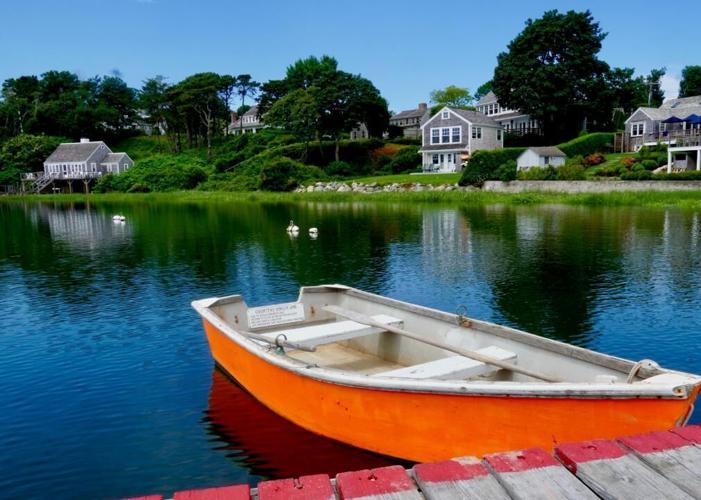
- Population: 6,019 (18% age 55-64 and 45% age 65+)
- Homeowners: 84% of the population
- J.A. Johnson // Shutterstock
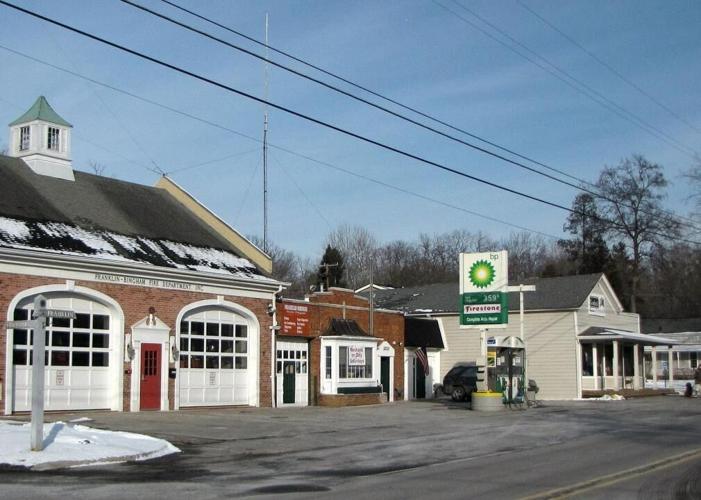
- Population: 1,129 (16% age 55-64 and 48% age 65+)
- Homeowners: 89% of the population
- Traveler100 // Wikimedia Commons
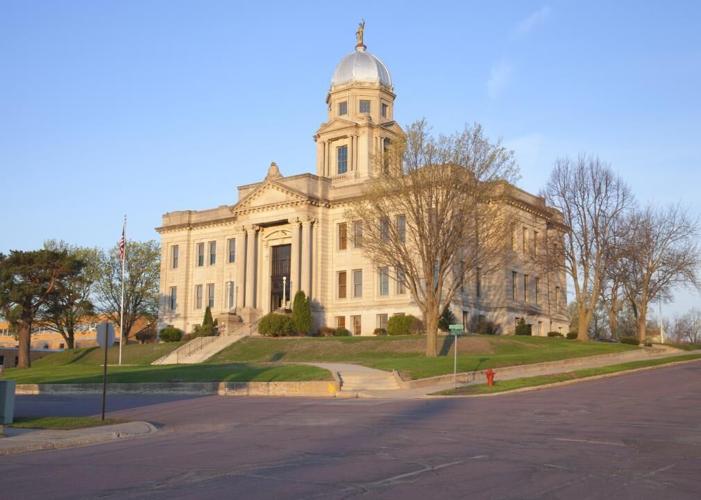
- Population: 3,219 (18% age 55-64 and 24% age 65+)
- Homeowners: 75% of the population
- Dan Thornberg // Shutterstock
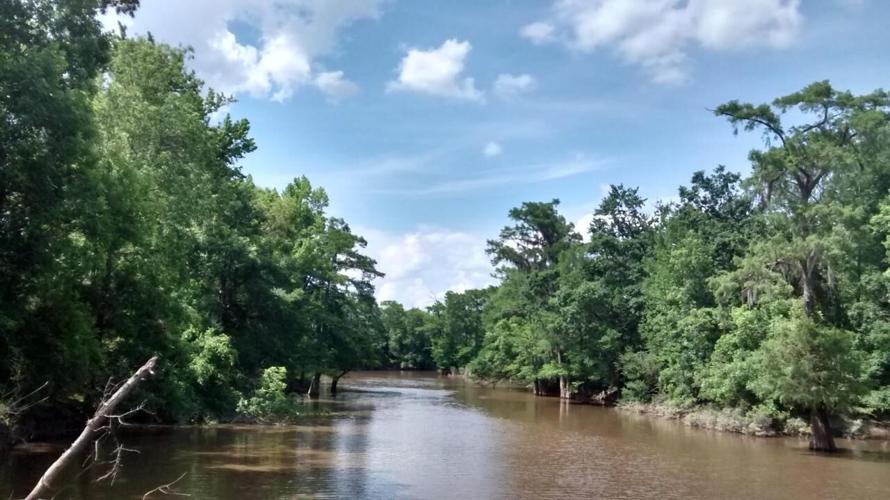
- Population: 2,392 (17% age 55-64 and 28% age 65+)
- Homeowners: 87% of the population
- Aaron Manning // Wikimedia Commons
- Population: 11,077 (15% age 55-64 and 30% age 65+)
- Homeowners: 85% of the population
- Amy Kerkemeyer // Shutterstock
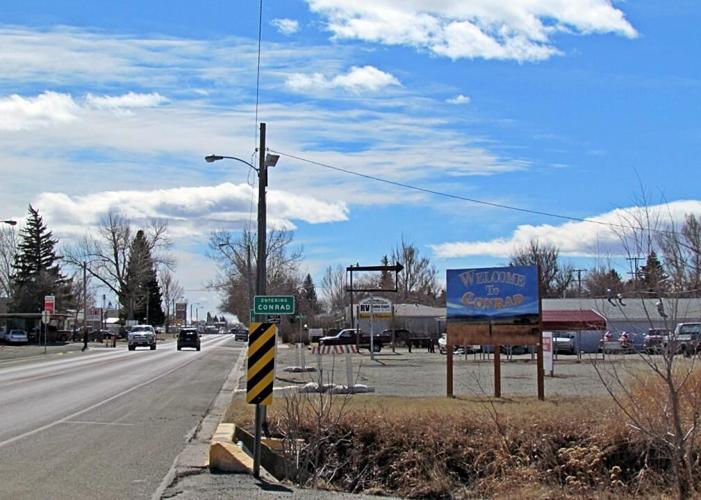
- Population: 2,633 (15% age 55-64 and 21% age 65+)
- Homeowners: 73% of the population
- 5of7 // Wikimedia Commons
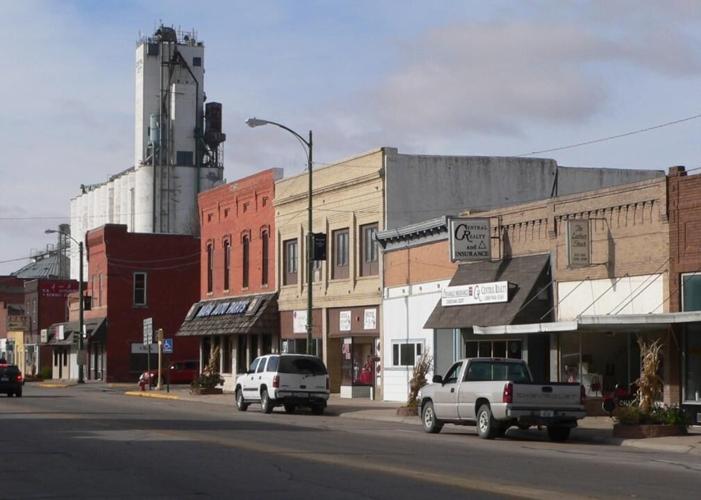
- Population: 2,903 (10% age 55-64 and 25% age 65+)
- Homeowners: 60% of the population
- Ammodramus // Wikimedia Commons
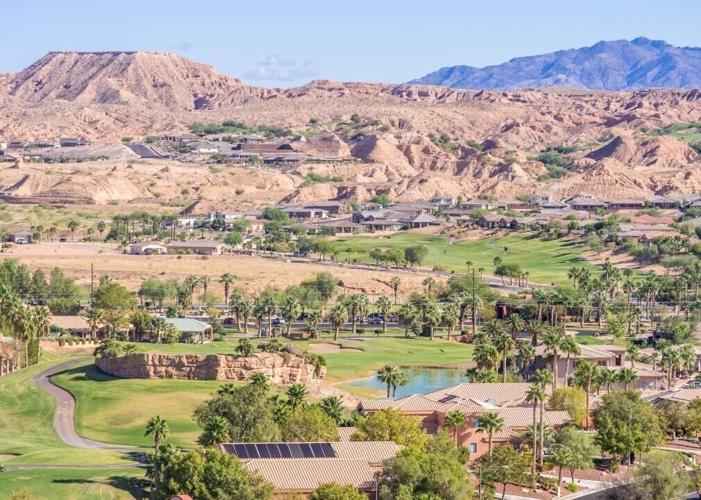
- Population: 18,446 (15% age 55-64 and 41% age 65+)
- Homeowners: 73% of the population
- Steve Lagreca // Shutterstock
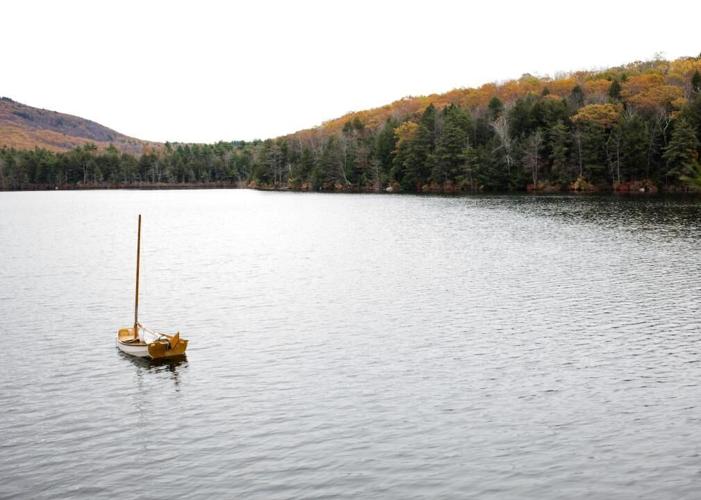
- Population: 6,604 (18% age 55-64 and 27% age 65+)
- Homeowners: 67% of the population
- M.Bailey // Shutterstock
- Population: 1,271 (23% age 55-64 and 50% age 65+)
- Homeowners: 86% of the population
- Andrew F. Kazmierski // Shutterstock
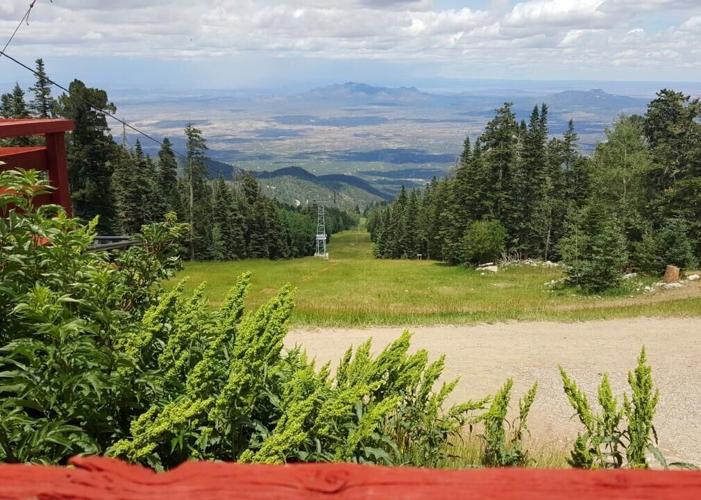
- Population: 3,571 (17% age 55-64 and 44% age 65+)
- Homeowners: 97% of the population
- Karl Cox // Shutterstock
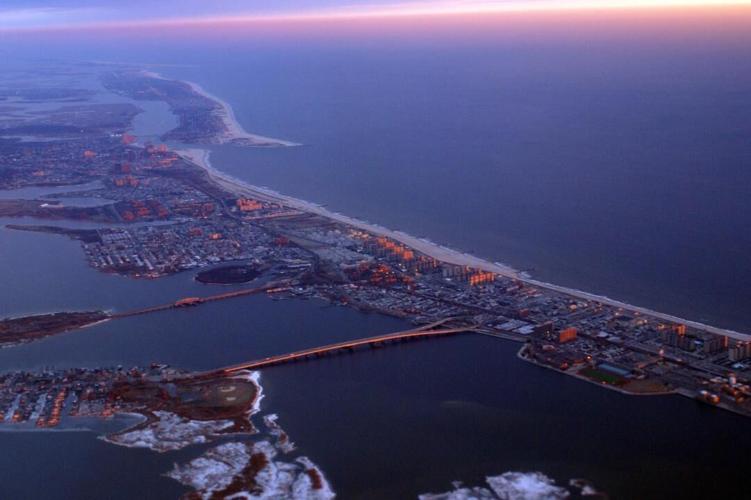
- Population: 3,119 (12% age 55-64 and 31% age 65+)
- Homeowners: 100% of the population
- Eric Salard // Wikimedia Commons
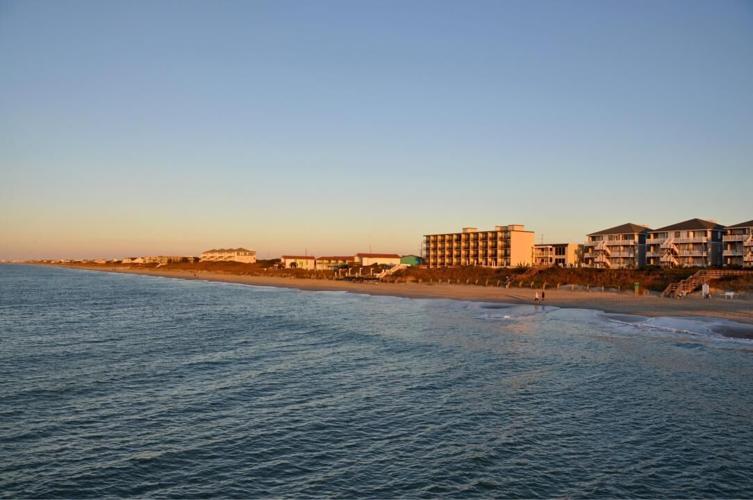
- Population: 1,343 (22% age 55-64 and 47% age 65+)
- Homeowners: 89% of the population
- James Willamor // Wikimedia Commons
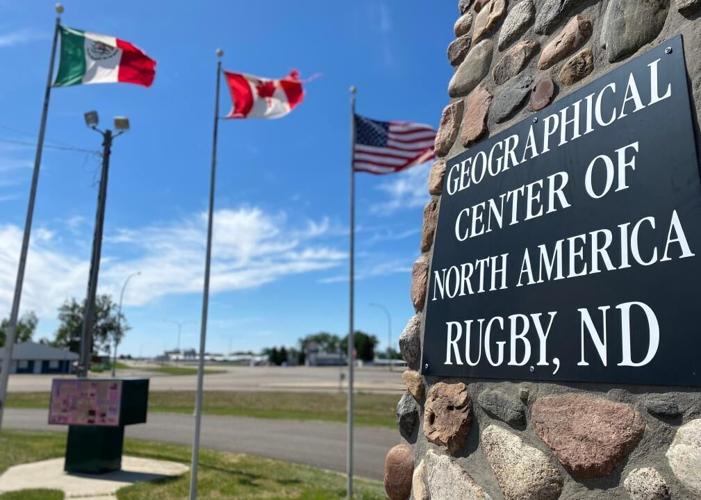
- Population: 2,724 (15% age 55-64 and 29% age 65+)
- Homeowners: 71% of the population
- Tim Samuelson // Shutterstock
- Population: 7,212 (16% age 55-64 and 19% age 65+)
- Homeowners: 81% of the population
- arthurgphotography // Shutterstock
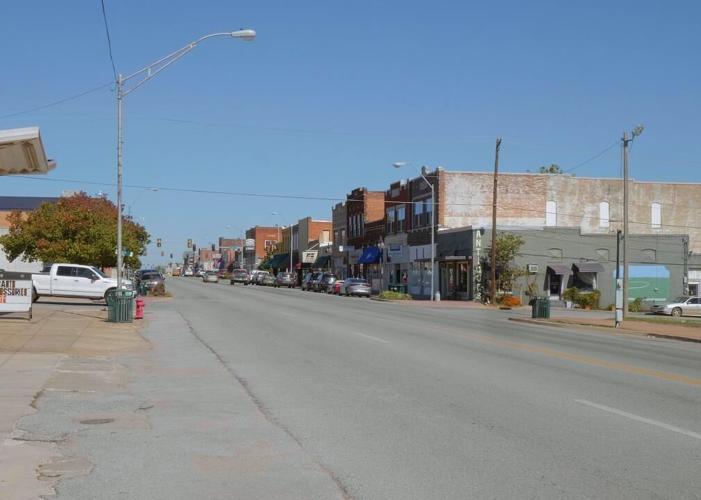
- Population: 9,452 (11% age 55-64 and 18% age 65+)
- Homeowners: 67% of the population
- 4kclips // Shutterstock
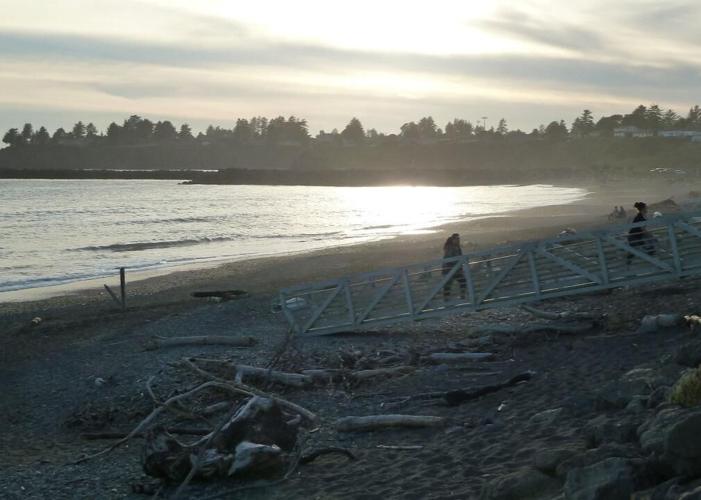
- Population: 1,958 (15% age 55-64 and 71% age 65+)
- Homeowners: 84% of the population
- Cary Bass // Wikimedia Commons
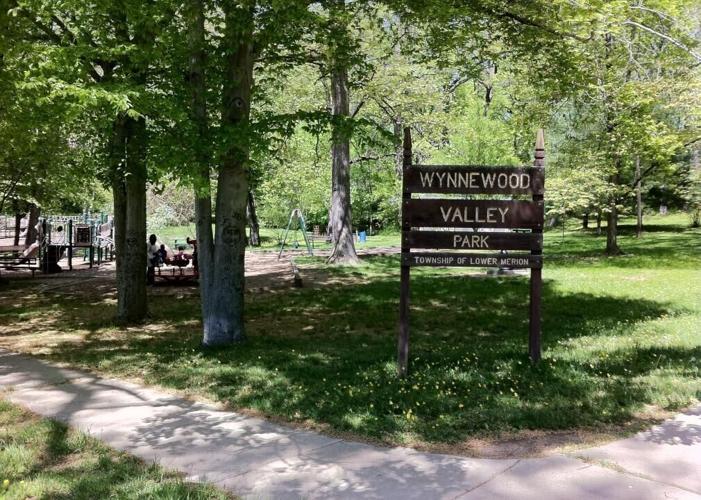
- Population: 5,932 (15% age 55-64 and 26% age 65+)
- Homeowners: 87% of the population
- ifly6 // Wikimedia Commons
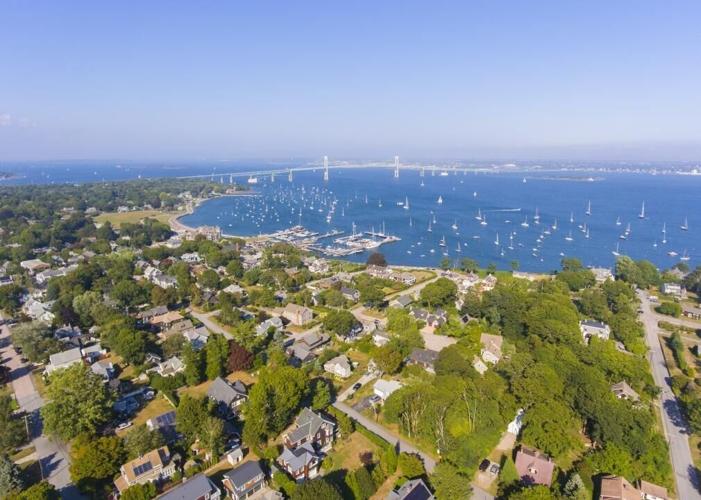
- Population: 5,494 (19% age 55-64 and 26% age 65+)
- Homeowners: 83% of the population
- Wangkun Jia // Shutterstock
- Population: 10,669 (20% age 55-64 and 40% age 65+)
- Homeowners: 79% of the population
- bsankow // Shutterstock
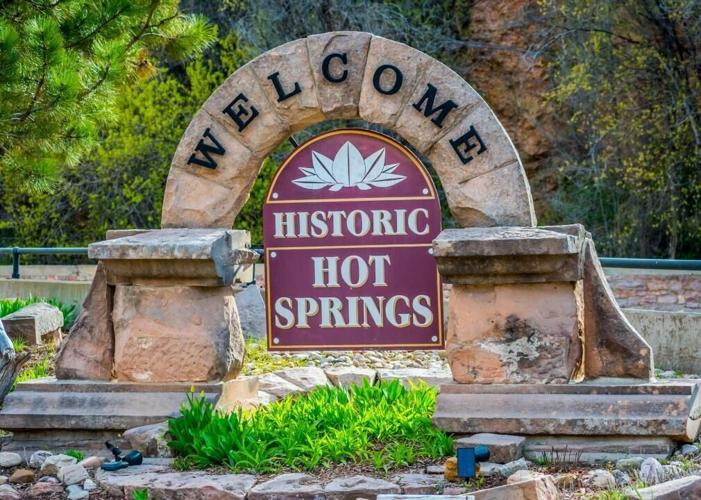
- Population: 3,509 (17% age 55-64 and 28% age 65+)
- Homeowners: 68% of the population
- Cheri Alguire // Shutterstock
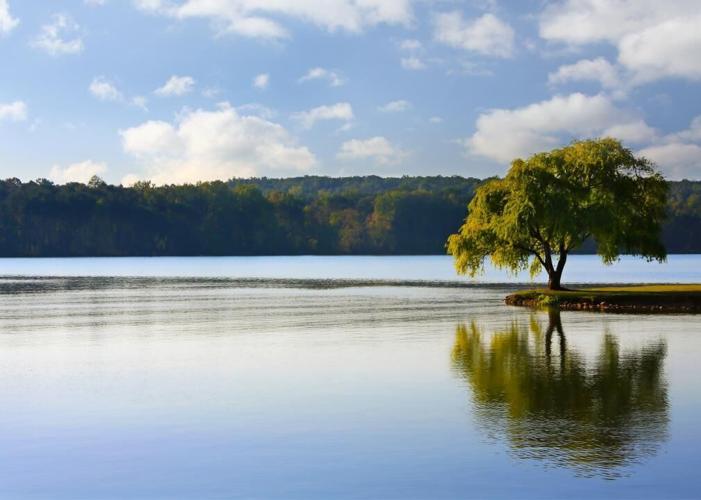
- Population: 22,631 (16% age 55-64 and 23% age 65+)
- Homeowners: 89% of the population
- Melinda Fawver // Shutterstock
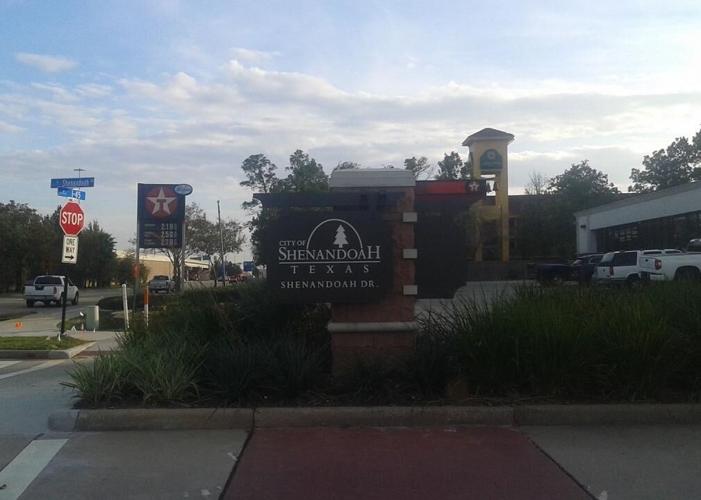
- Population: 2,887 (10% age 55-64 and 40% age 65+)
- Homeowners: 55% of the population
- Stedil // Wikimedia Commons
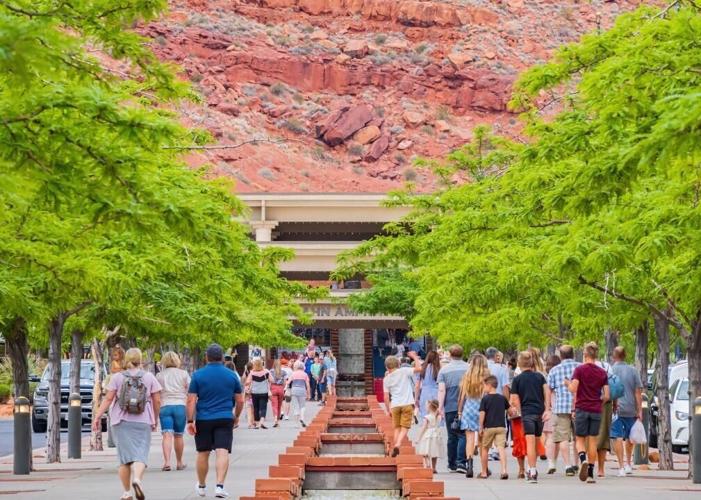
- Population: 8,530 (14% age 55-64 and 30% age 65+)
- Homeowners: 83% of the population
- Kit Leong // Shutterstock
- Population: 1,028 (18% age 55-64 and 29% age 65+)
- Homeowners: 77% of the population
- Bob LoCicero // Shutterstock
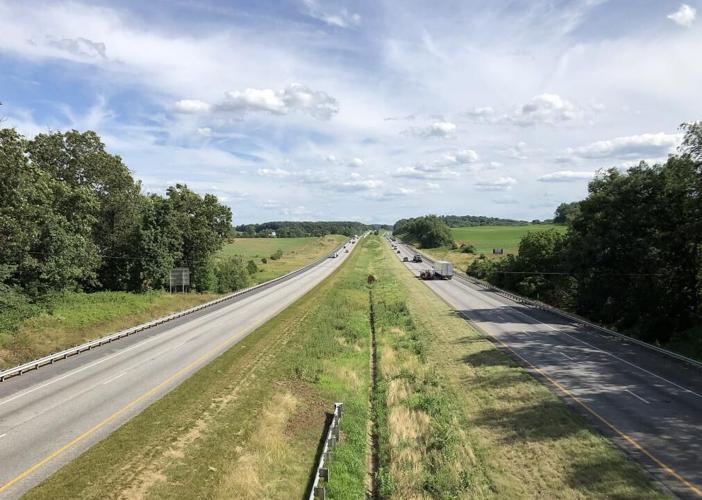
- Population: 1,226 (13% age 55-64 and 34% age 65+)
- Homeowners: 100% of the population
- Famartin // Wikimedia Commons
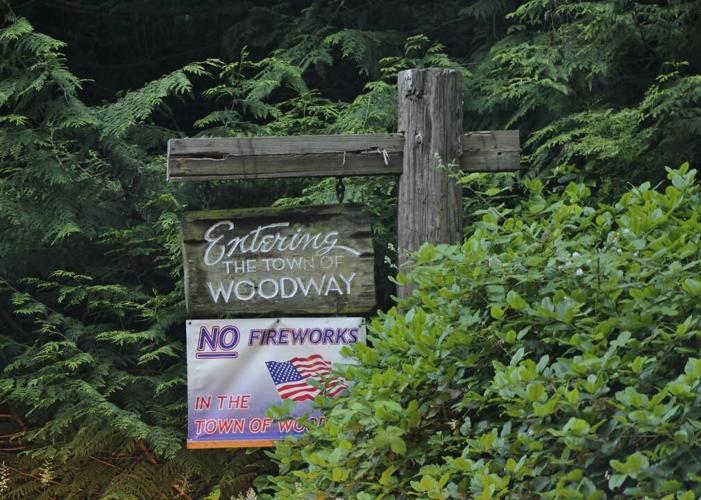
- Population: 1,105 (13% age 55-64 and 23% age 65+)
- Homeowners: 97% of the population
- SounderBruce // Wikimedia Commons
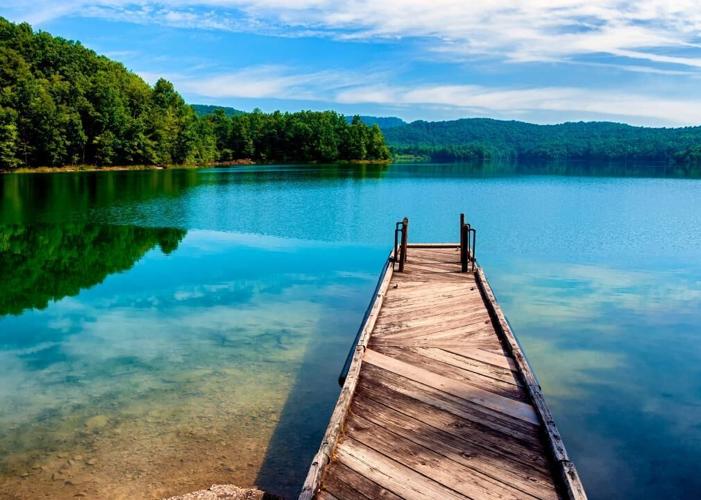
- Population: 3,368 (20% age 55-64 and 28% age 65+)
- Homeowners: 69% of the population
- Malachi Jacobs // Shutterstock
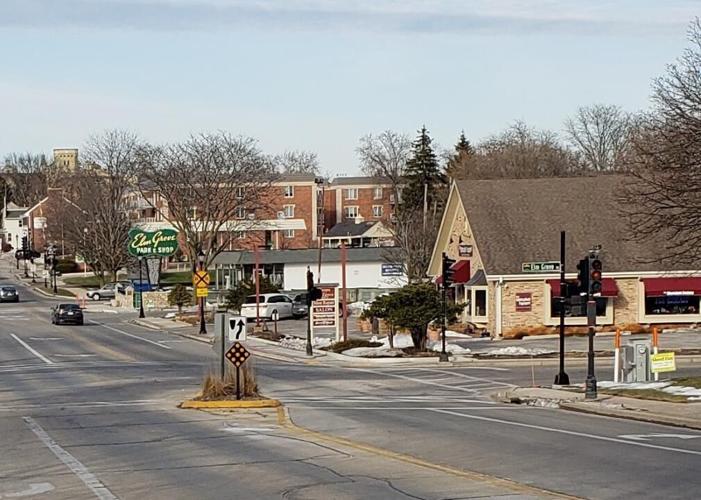
- Population: 6,153 (14% age 55-64 and 25% age 65+)
- Homeowners: 93% of the population
- Porterhse // Wikimedia Commons
- Population: 2,703 (14% age 55-64 and 26% age 65+)
- Homeowners: 77% of the population
- Jonathan Green // Wikimedia Commons

Cheerful couple walking on pedestrian street.
- Rido // Shutterstock


