
City grapples with image
World Cup preparation recalls Atlanta's spotty record with homeless population
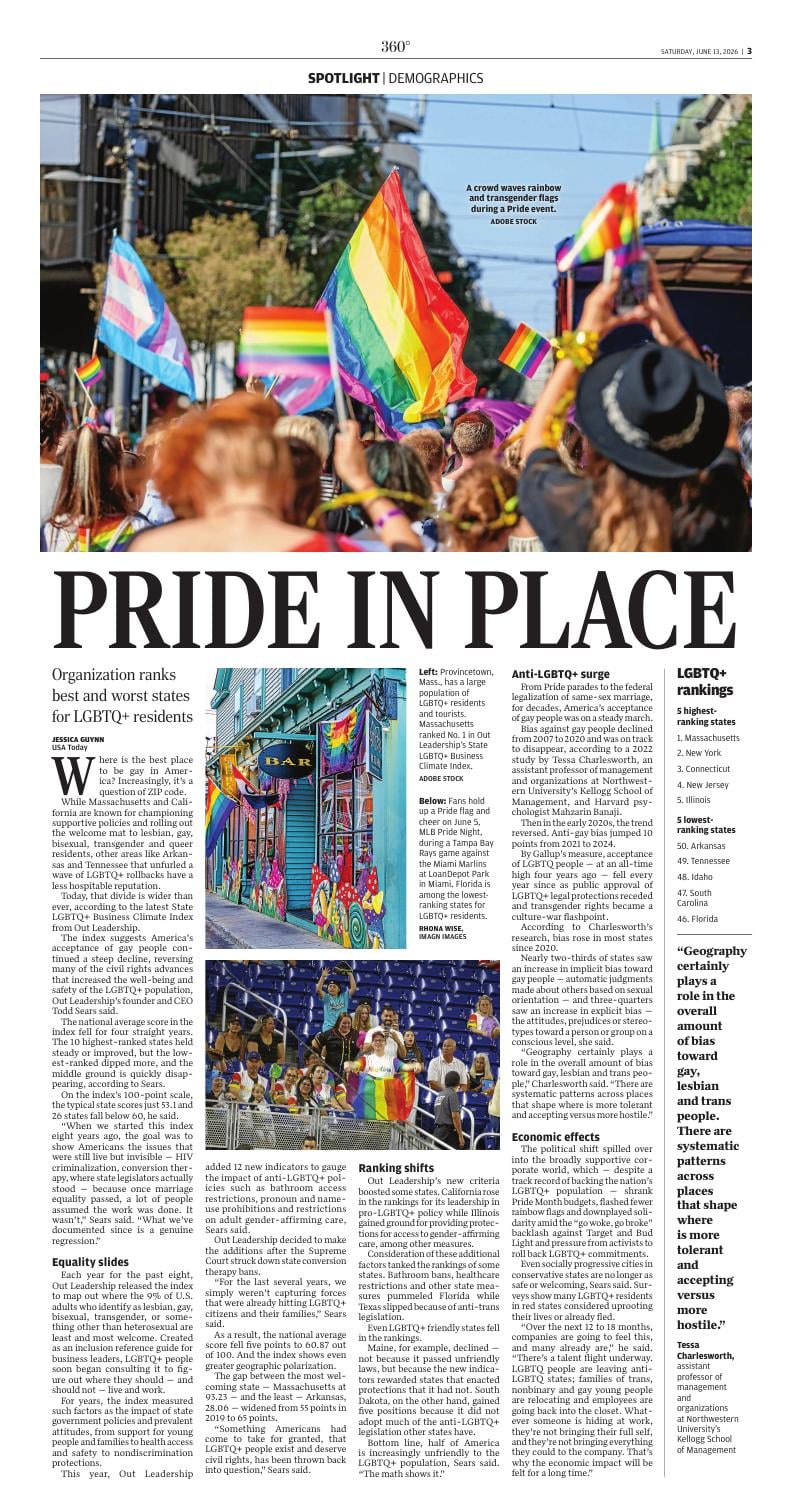
Waterworks Village is a recently opened modular housing development for people experiencing homelessness.
Jocelyn Edwards, who previously experienced homelessness, pets a dog May 19 in her apartment at Waterworks Village in Atlanta.
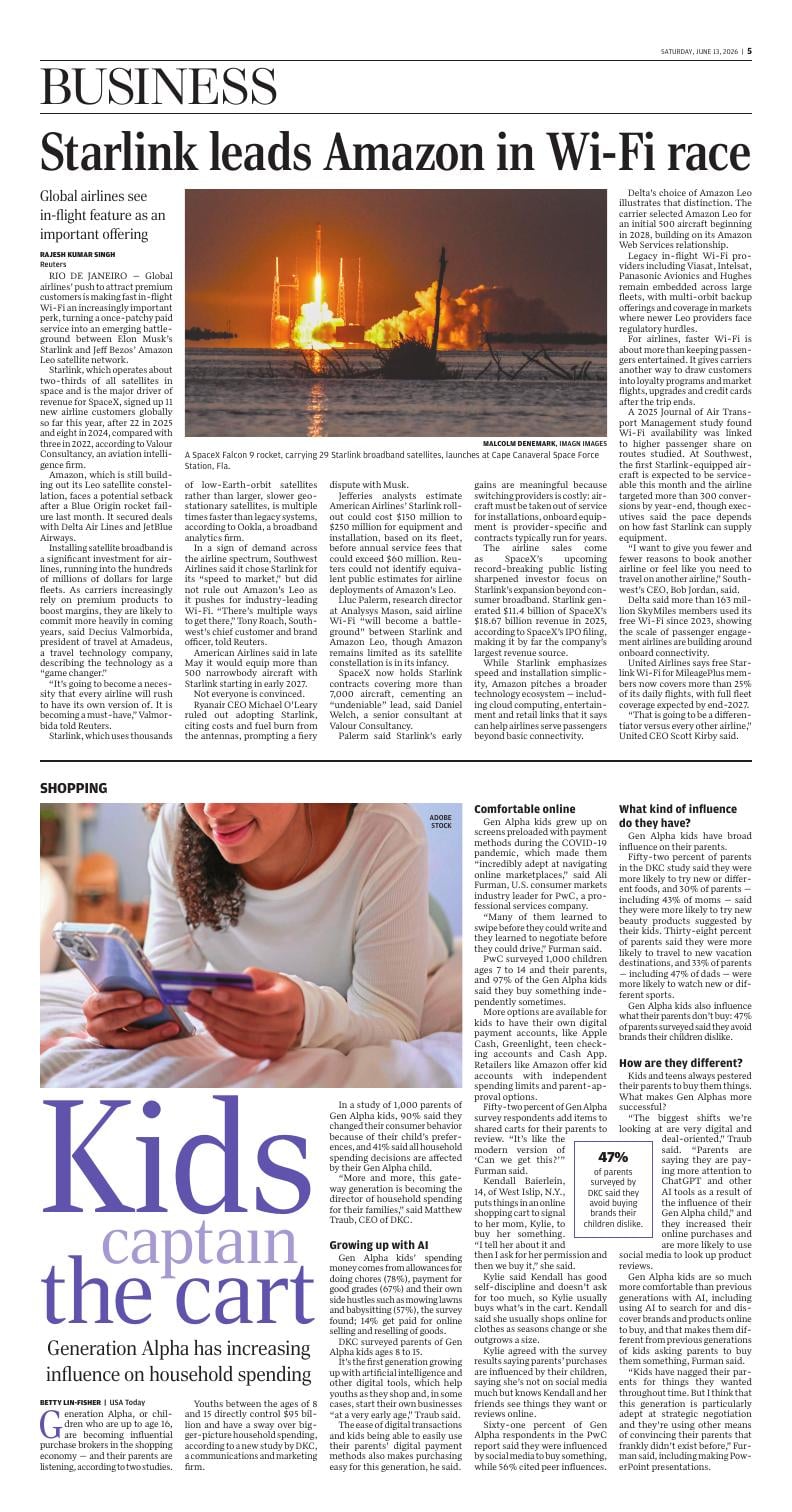
Georgia army national Guardsmen walk to their posts Aug. 4, 1996, during the Atlanta Centennial Olympic Games. Atlanta officials have been criticized for arrests of homeless people during the 1996 Games.
Benjamin Brown, 54, who is experiencing homelessness, opens up the tarps around his tent May 15 in Atlanta.
A homeless encampment is seen from the air May 22 in Atlanta.
Brown
GEORGIA
When Atlanta hosted the 1996 Olympics, police were accused of arresting homeless people by the thousands. The crackdown resulted in lawsuits and news stories that caused long-term damage to the city's reputation.
Now the Georgia state capital seeks to show the world that it moved on, as it hosts the FIFA World Cup games this summer. The event is expected to draw 500,000 visitors and have an economic effect ranging from $500 million to more than $1 billion, according to a study commissioned by the Metro Atlanta Chamber of Commerce.
Atlanta ordered new train cars for its transit system, brightened downtown with new murals and spruced up the Mercedes-Benz Stadium for eight World Cup matches, including a semi-final.
Democratic Mayor Andre Dickens made addressing homelessness a priority. A $60 million program was launched two years ago, the largest effort in Atlanta's history. In May the program neared the goal of building 500 tiny apartments that can be transitional or permanent for people who have been homeless.
The homeless population is about 3,000 in a city of half a million, according to federal government figures, a relatively low rate compared to many other U.S. metro areas.
Still, there is too much of an emphasis on moving homeless people without giving them the support they need, advocates say.
Donald Whitehead, executive director of the National Coalition for the Homeless, said since the 1990s Atlanta improved how it works with people experiencing homelessness, but the city cleared camps without offering enough effective services or housing.
Michael Nolan, a counselor who worked with homeless people in Atlanta for many years, had a similar view.
"Today, the city talks about outreach, safety, shelter referrals, and housing placements," he said. "Some of that may be real … The endgame is the same: move the poor and homeless out of sight."
Olympic precedent
In 1996, police made 9,000 arrests of homeless people for loitering, panhandling and other minor offenses in and near where the Olympics were held, according to the Brookings Institution.
"What happened in the Olympics stands as one of the most egregious series of events to happen to the homeless in America," Whitehead said.
"People got arrested, sent to jail for minor offenses, given oneway bus tickets," he said. "It was a blueprint of what not to do."
Atlanta still periodically carries out sweeps of homeless camps.
In the past two years, city workers in Atlanta tore down numerous camps in and around downtown, including 10 near the Mercedes-Benz Stadium, according to the Atlanta Journal-Constitution.
A city bulldozer ran over and killed a man sleeping in his tent last year. The city then convened a task force that recommended repeated outreach and tentchecks, and giving encampment residents notice of sweeps and the option to relocate to a shelter or, when possible, permanent housing.
Events bring a spotlight
Some homeless people say they believe the coming World Cup led to more attention.
Benjamin Brown, 54, has lived on the streets since 2017. He said police officers recently told him and fellow homeless people three times to move from downtown, where the games will be played.
"It's all about the World Cup," said Brown, who works as a contractor and also sells loose cigarettes. "They didn't offer us help or gift cards or nothing. We just had to move."
Reuters found him and 25 other people, including children, living in tents in Mechanicsville, a neighborhood about two miles from downtown.
In a statement to Reuters, Atlanta police said the department "remains committed to ensuring a safe, orderly, and compassionate environment for everyone in our city, including individuals experiencing homelessness."
Mayor Dickens, who did not respond to Reuters' interview requests, previously said encampments are unsafe.
City Council member Kelsea Bond noted city officials said recent sweeps were unrelated to the World Cup, but cautioned that the world's gaze would again be on Atlanta.
"We could get another black eye, it depends on how the city reacts," Bond said. "I'm worried that police will start arresting more people downtown. This is a moment to watch."