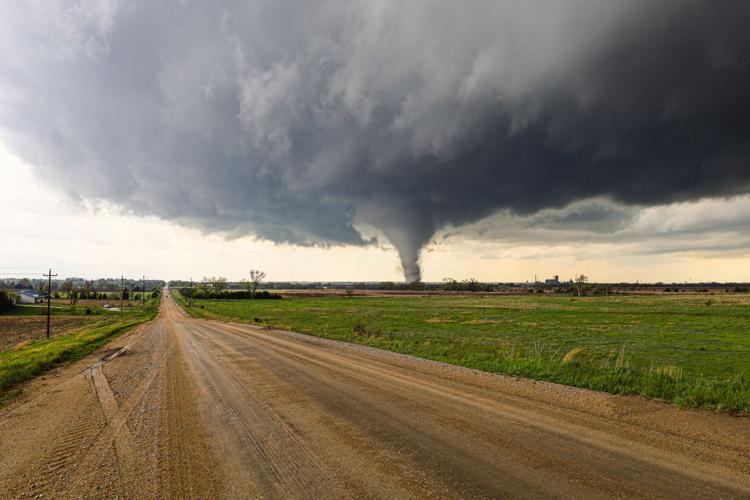


Lincoln/ Waverly EF3 4/26/24
If you make a purchase after clicking on links within this article, Lee Enterprises may earn affiliate commissions. The news and editorial departments had no role in the creation or display of this content. All opinions and views are of the advertiser.
When the furnace goes out at midnight or the AC quits in July, ARS/Rescue Rooter is the call to make
- 24/7 emergency service: HVAC Emergencies Don't Keep Business Hours
- All makes and models: Furnaces, heat pumps, AC, ductless -- they work on it all
Upfront estimates · Licensed & insured · Serving greater Omaha and surrounding areas
There's a specific kind of quiet after a tornado. An eerie stillness. No birds. No traffic. No sound. Just you, standing in your yard, trying to figure out what just blew through.
If you’re like most folks, you go straight to the roof. Then the windows. Then the car. The HVAC system usually comes later, sometimes much later (if at all), and that's where things could go sideways. The prep is vital, and often overlooked. It can save you both time and lots of money.
Storm coming? Shut it down
Let’s start with something easy. This one is basic common sense, and most people neglect to do it. When a serious storm is bearing down, turn your AC off. Not because rain hurts it. Rain is fine. The problem is lightning, and it doesn't have to hit your house to cause damage. A nearby strike can travel through the electrical system and fry your AC's control panel fast. If you want the full picture, the folks at ARS/Rescue Rooter wrote up a pretty practical guide on whether it's safe to run your air conditioning during a thunderstorm. Bottom line: it may take about ten seconds to turn the thing off. A full control panel replacement takes – and costs – a lot more.
After the storm: Wait and see
Power comes back, and every instinct says flip everything on and get back to normal. You may want to try and resist that.
Tornado damage to HVAC equipment may not be obvious. The outdoor condenser might look fine from a distance, but it could have sustained damage that may hurt the unit the next time it starts up. For example, debris may be packed into the coils. The ductwork might have shifted somewhere you can't see. If the unit sat in standing water, the electrical components might be compromised or impacted. And if you have a gas furnace that took any kind of structural hit nearby, running it before someone checks it is how a bad day gets worse. Gas leaks, equipment malfunctions, and more could be in your future.
This isn't a "call a professional for everything" scare tactic. It's specific to tornado damage because failure points aren't always visible, and a few may actually be quite dangerous.

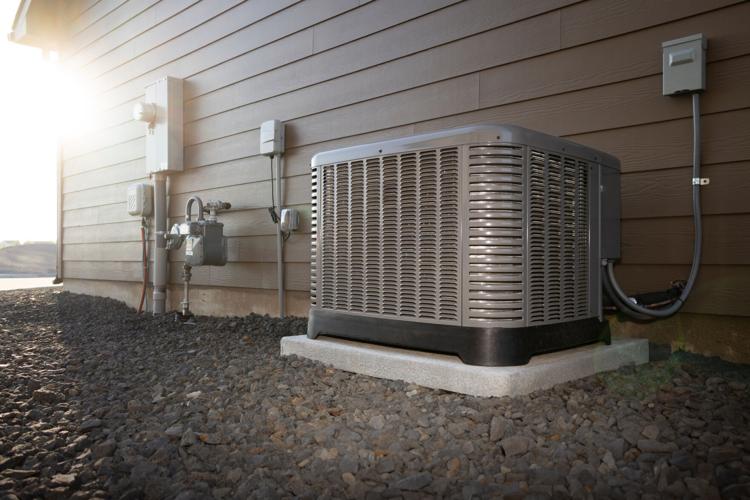
Modern HVAC air conditioner unit on concrete slab outside of duplex house.
Taking inventory: Damage lurking beneath the surface
Take a walk around the outside unit. Inspect it for dents, anything jammed into the blades, and water still sitting around the base. Inside, check around for excess moisture. Remember: don’t turn it on. Just eyeball things. See if the thermostat is responding. If the power was out for a while, be aware that when the grid comes back online, it may sometimes come back with voltage spikes that could stress the equipment all over again.
If anything looks off or if you just want someone to tell you it's actually fine, ARS/Rescue Rooter has emergency HVAC services available seven days a week. They regularly handle post-storm inspections and can tell you pretty quickly whether you're dealing with a repair or something bigger. That kind of peace of mind may be the one thing that makes your no good, very bad day a bit better.
Need answers? Call a pro
If your system is already up there in age and took real tornado damage, a good technician is going to be straight with you about whether fixing it makes sense. Sometimes it doesn't. A unit that was five or six years from replacement anyway, now damaged, may not be worth putting serious money into. That's not the company trying to sell you a new system. That's just math.
Midwesterners are used to picking up after storms. The ones who fare best usually prepare long before the weather gets bad.