
It’s a well-known story. In April of 1775, an American patriot receives intelligence communicated by lantern light and travels on horseback from Charlestown to Lexington, Massachusetts, to warn his fellow revolutionaries that British forces are approaching.
People are also reading…
- Highway patrol: Juvenile killed in McDowell County wreck while driving electric bike
- 12-year-old arrested in death of classmate who was hit in the head by a metal water bottle
- One person critically injured in Sunday crash involving bicycle in McDowell County
- Marion woman charged with starting wildfire in northern McDowell County
- Investigation continues into fatal wreck that killed juvenile on Sunday
- McDowell County women's powerlifter inducted into North Carolina hall of fame
- Marion, McDowell leaders seek public’s input on future of Drexel Heritage site
- See events that will close Marion downtown streets this year, including Friday night concerts
- Tanker truck crashed on I-40 at McDowell, Burke line; milk spills into creek
- NC high school senior accepted to 90+ colleges, received $5.3 million in scholarship offers
- ‘No kings’ rally in downtown Marion draws more than 275 people, organizers say
- McDowell County NC East Marion, Clinchfield, Stumptown homecoming to celebrate community
- Wildfire in northern McDowell County burns 420 acres, now 50% contained
- McDowell County will help some households connect to county water
- NTCC leaders earns doctorate, advances vision for student success at McDowell Tech

Founding Father Thomas Jefferson’s Monticello estate sits in Albemarle County outside Charlottesville.
DAILY PROGRESS FILE PHOTO
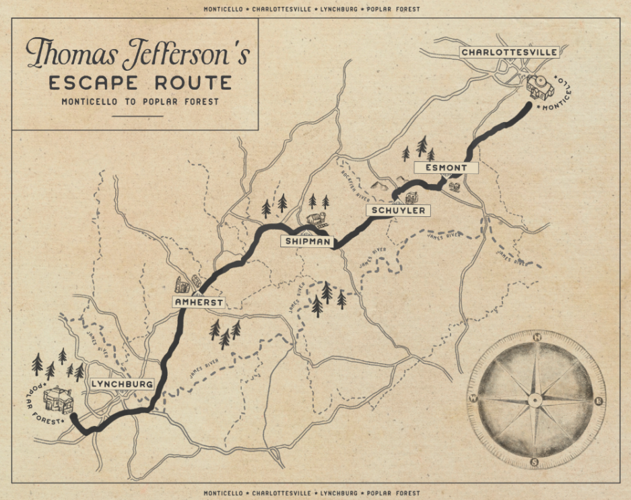
The Albemarle County chapter of the Daughters of the American Revolution has charted the path Thomas Jefferson and his family took to escape British capture in 1781.
COURTESY OF THE ALBEMARLECHAPTER OF THE NATIONAL SOCIETY
OF THE
DAUGHTERS OF THE AMERICAN REVOLUTION

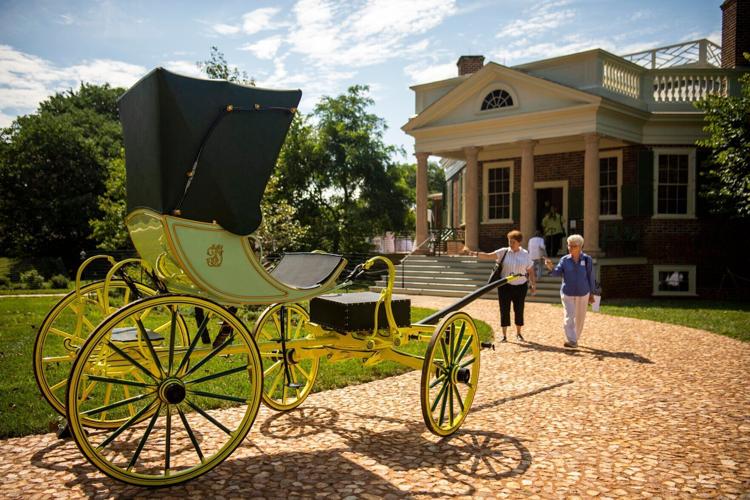
A carriage sits outside of Thomas Jefferson's former Poplar Forest retreat outside Lynchburg on Friday, Aug. 5, 2022.
KENDALL WARNER, THE NEWS & ADVANCE

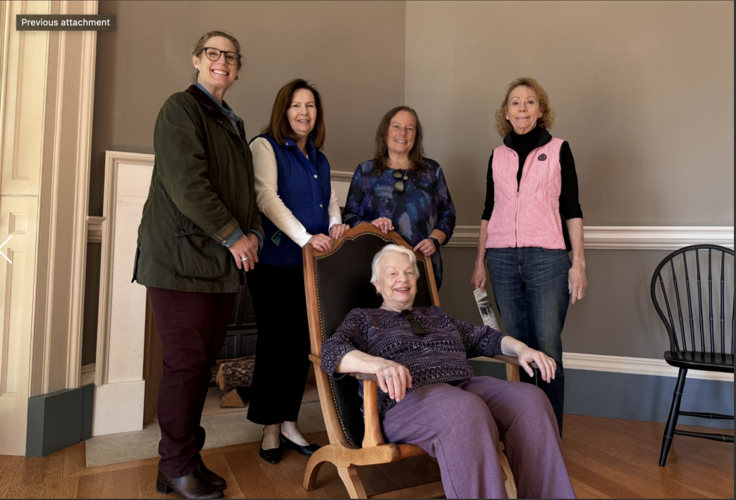
From left to right, Pamela Comberg, Wendy Smith, Wendy Tackett and Nancy Bolton, and Charlotte Bailey, seated, worked together to chart the path Thomas Jefferson and his family took to escape British capture in 1781.
COURTESY OF WENDY TACKETT
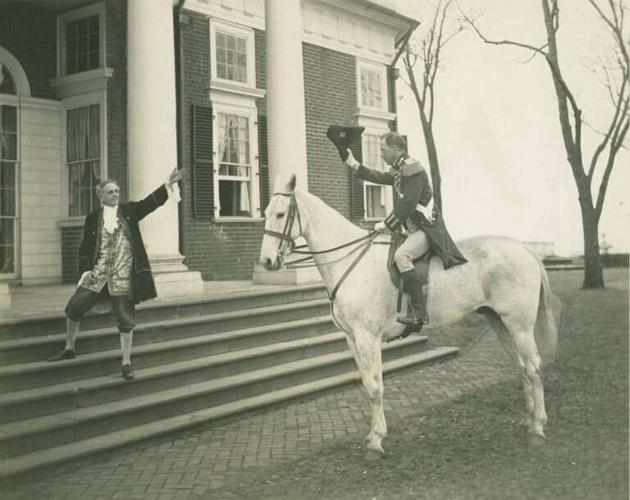
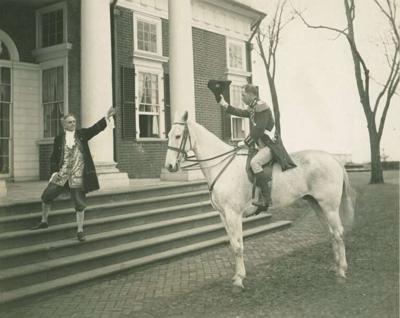
In a 20th-century reenactment, Jack Jouett, on horseback, warns Thomas Jefferson that the British are en route to Monticello.
UNIVERSITY OF VIRGINIA SPECIAL COLLECTIONS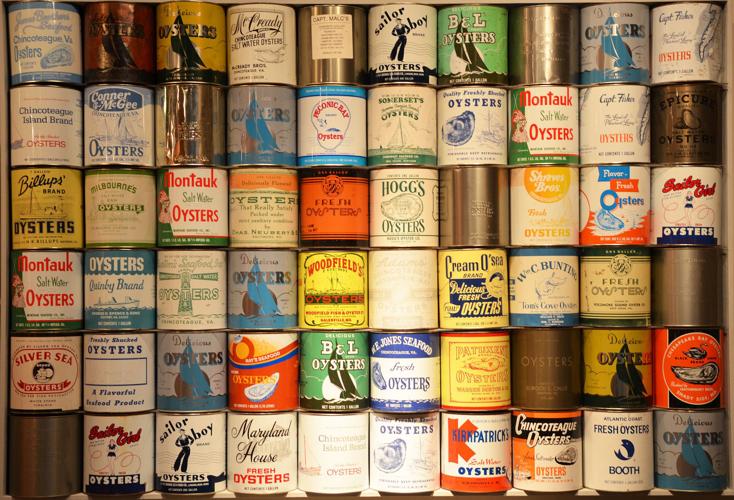
Exploring Virginia's rich history
History in the Richmond region is so deep that exploring it – whether for longtime residents or one-and-done visitors – is one of our most rewarding local endeavors. Of course, all of Virginia has amazing stories to tell, whether in celebration of Black History Month this February or other parts of our heritage. As the weather warms up and you're itching to explore, these spots can inspire you to get out and about – and probably learn something fascinating about Virginia's history along the way.
- MUSEUM OF CHINCOTEAGUE ISLAND
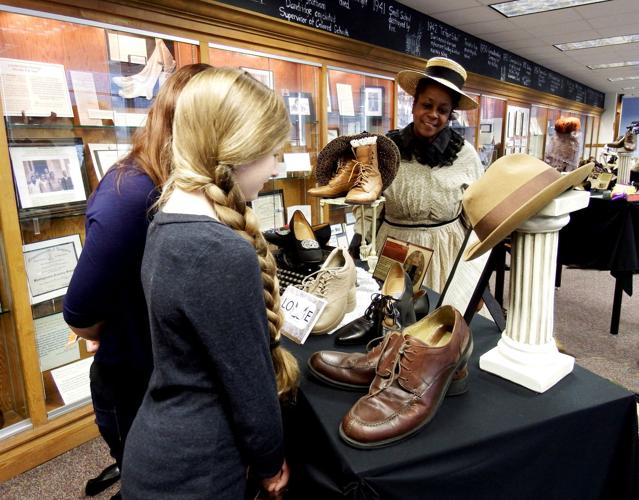
African-American Heritage Trail
This driving trail highlights 11 sites in Spotsylvania County that collectively feature about two dozen historic elements of African-American history. Sites include the John J. Wright Educational and Cultural Center and Museum (pictured), a renovated building of the only high school for black children from 1909 to 1968. Other highlights include the Goodwin Mine at Chewning Park, the third-largest gold mine in the country from 1830 to 1849; and Piney Branch Baptist Church with the adjacent Piney Branch School, the only one-room school for black children still standing in its original location. The church was also home of the 23rd Regiment, U.S. Colored Infantry – in the Civil War, it participated in the first known fight on Virginia soil of a full U.S. Colored regiment within the Army of the Potomac.
- SPOTSYLVANIA DEPARTMENT OF ECONOMIC DEVELOPMENT AND TOURISM
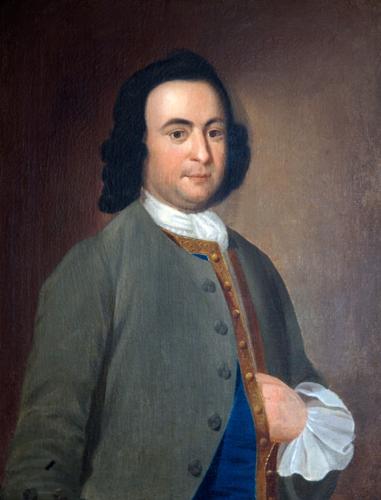
Gunston Hall
In Northern Virginia's Mason Neck area, the Potomac River is a picturesque backdrop for the home built by Revolution-era statesman George Mason, the author of the Virginia Declaration of Rights. (Mason was a proponent of religious tolerance and the right to a fair and speedy trial.) The home (circa 1755) features classical motifs of British design and elaborate formal rooms. Objects include a writing table, as family records note, where Mason did much of his work helping devise governmental forms for state and country. The grounds feature a central allée of English boxwood planted by Mason as well as gardens, a deer park, nature trails and the Mason family burial ground. Outbuildings include a kitchen, dairy, laundry and smokehouse, as well as a reconstructed schoolhouse.
- GUNSTON HALL
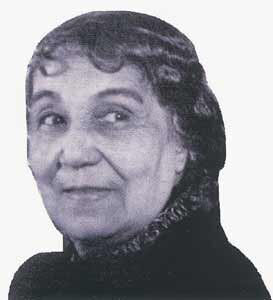
Anne Spencer House & Garden Museum
A poet, civil rights activist, teacher, librarian and gardener, Lynchburg’s Anne Spencer was an important figure of the Harlem Renaissance, and she helped found the local chapter of the National Association for the Advancement of Colored People. She was only the second African-American poet to appear in the Norton Anthology of Modern Poetry (in 1973), and her Queen Anne-style home – a kitchen wall even features one of her poems – was a gathering place for intellectuals and black travelers in the 1920s. Spencer’s home and her garden refuge are part of the city’s Pierce Street district that is rich with African-American history. The garden’s roses and many of the bulbs were planted by Spencer – flowers and shrubs that continue to grow.
- ANNE SPENCER HOUSE & GARDEN MUSEUM
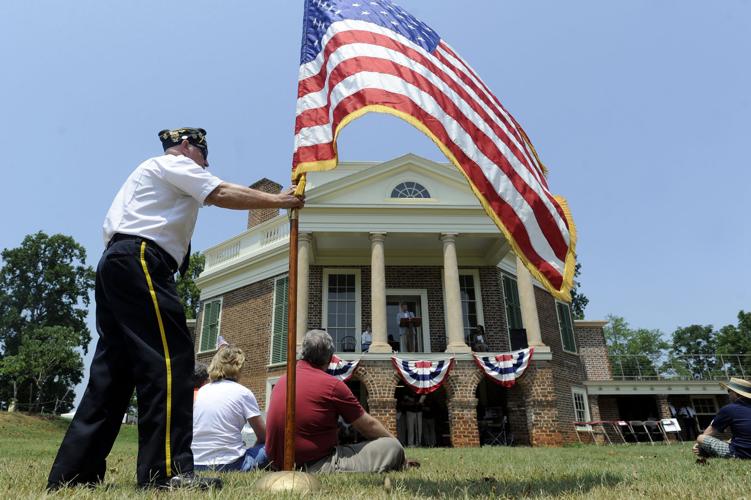
Poplar Forest
One of only two homes designed by Thomas Jefferson for his own use, Poplar Forest near Lynchburg served as the third U.S. president’s personal retreat. His neoclassical home was on a more than 4,000-acre plantation and, after age 65, Jefferson spent a great deal of time at the estate, where he could unwind, read and explore the environment. Visitors can take a guided tour of Jefferson’s living spaces, including his dining room and parlor/library. A self-guided tour highlights lower-level exhibits and a restored kitchen and service wing. Restoration of the property and archaeology are ongoing. Archaeologists have been restoring the ornamental landscape around the house, which Jefferson designed based on what he saw in England and France.
- LYNCHBURG NEWS & ADVANCE
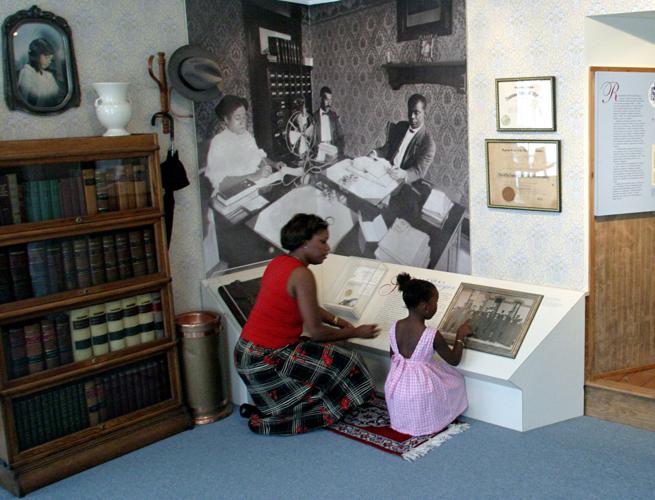
Newsome House Museum and Cultural Center
In Newport News, African-American attorney, journalist and civic leader Joseph Thomas Newsome moved into this 1899 home in 1906 and converted it from a saltbox structure to a Queen Anne-style residence, which became a hub of the local black community. Newsome served as state president of the Old Dominion Bar Association, and he was one of the first black solicitors in Virginia who successfully pleaded cases before the state Supreme Court. (In tribute to him, the city courts were closed the day of his funeral in 1942.) Newsome was also editor of The Newport News Star, a weekly black newspaper, and became a columnist for the Norfolk Journal and Guide. His home was the first black-owned structure to receive a National Historic Preservation Award.
- NEWPORT NEWS TOURISM DEVELOPMENT OFFICE
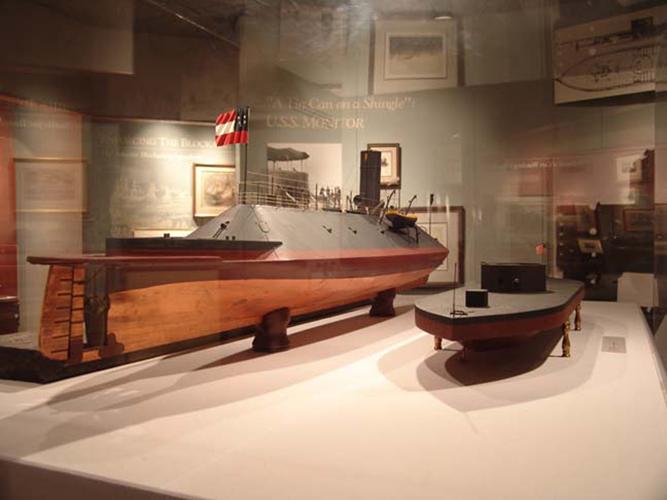
Hampton Roads Naval Museum
One of nine U.S. Navy museums, this location introduces visitors to more than 240 years of naval activity in Hampton Roads. The Norfolk museum is the Navy’s primary repository of artifacts from the USS Cumberland (sunk by the Confederate ironclad Virginia in the Civil War) and the CSS Florida. The more than 50 exhibits include a collection of naval ship models, 19th-century artwork and underwater archaeological finds from the Civil War. Visitors can learn about sailor life during the Revolutionary War and the floating cities that are modern aircraft carriers. Artifacts include a 1798 cannon from the frigate USS Constellation, a Mark 7 undersea mine from World War I and a torpedo warhead from a German U-boat. The museum also houses a naval history research library open by appointment.
- HAMPTON ROADS NAVAL MUSEUM
Schoolhouse Museum
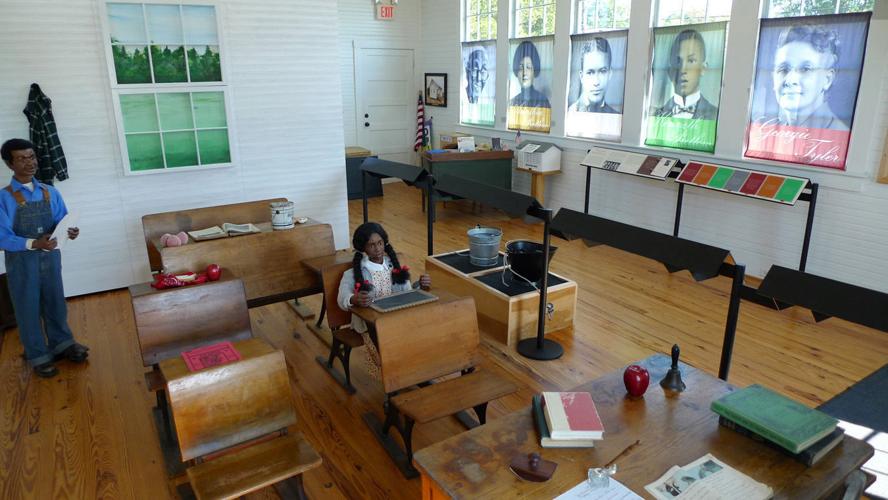
In the town of Smithfield, this one-room structure highlights the schooling of black children in Isle of Wight County in the early 20th century, and it honors the legacy of those who promoted their education. The structure was built in 1932 as an addition to the Christian Home School, which was among the thousands of Rosenwald Schools that served black children in the South during the era. The addition was moved to the historic district of Smithfield in 2005 to be renovated and opened as a museum. It now includes period photographs, desks and other artifacts, and serves as a reminder of the commitment in black communities to expand educational opportunities for children.
- SCHOOLHOUSE MUSEUM
Bacon’s Castle / Smith’s Fort Plantation
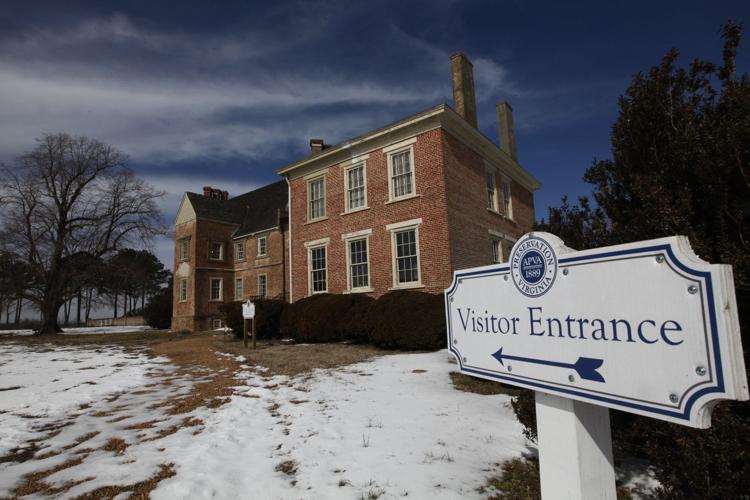
Surry County is home to two Preservation Virginia sites. Bacon’s Castle (pictured) is the nation’s oldest existing brick dwelling (circa 1665). Its Jacobean architecture features triple-stacked chimneys and shaped Flemish gables, and the home boasts the oldest English formal garden in North America. (The house got its moniker from Colonial-era patriot Nathaniel Bacon, whose 1676 rebellion drove out loyalist homeowner Arthur Allen.) At Smith’s Fort Plantation, the stories of English explorer Captain John Smith, tobacco planter John Rolfe and Pocahontas come to life in guided tours. Though the brick house was built between 1751 and 1765, John Smith had begun construction of a fort on the same site in 1609 before abandoning the project. The land later was a dowry gift from Chief Powhatan to Rolfe.
- BOB BROWN
Barrier Islands Center
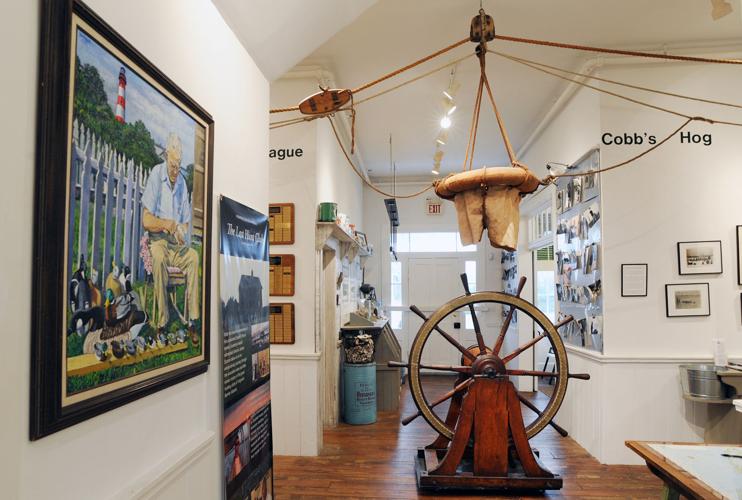
The culture and history of Virginia’s Barrier Islands are featured at this Northampton County museum and education site. Fishing and farming communities, U.S. Life-Saving Service surfmen and fancy hotels and hunt clubs catering to the elite once populated the islands. But storms, including the 1933 Chesapeake-Potomac hurricane, battered the homes and hotels, eroding the land and forcing islanders to move inland. The center presents exhibits and documentary films to tell the stories of the people who lived and worked on the islands. Opened in 2002 on the site of the former Almshouse Farm, which served as the Northampton poorhouse for almost 150 years, the center has three historic buildings: the 1890s Almshouse, the 1910 African-American Almshouse and a 1725 Quarter Kitchen.
- JAY DIEM FOR THE BARRIER ISLANDS CENTER
The Crooked Road
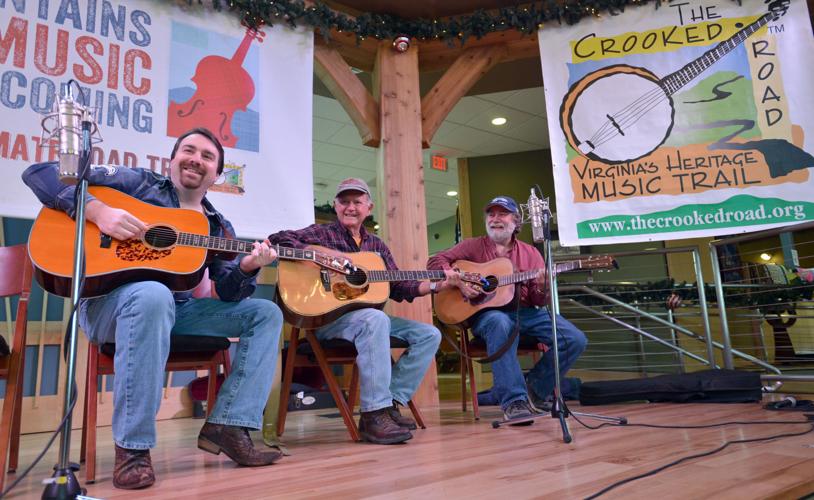
This 330-mile driving trail through the Appalachian Mountains of Southwest Virginia is designated as Virginia’s Heritage Music Trail for good reason: It features nine major venues and more than 60 affiliated music sites and festivals, all along a route through 19 counties and more than 50 cities and towns. In Bristol, the Birthplace of Country Music Museum highlights the city’s music history and, in Ferrum, the Blue Ridge Institute and Farm Museum captures regional folklore. In Galax, the weeklong Old Fiddlers Convention is the world’s oldest and largest fiddlers convention. The Crooked Road also includes recreational activities, crafts and cultural programs. Look for highway signs that designate the route as well as wayside exhibits highlighting local music and history.
- BRISTOL HERALD COURIER
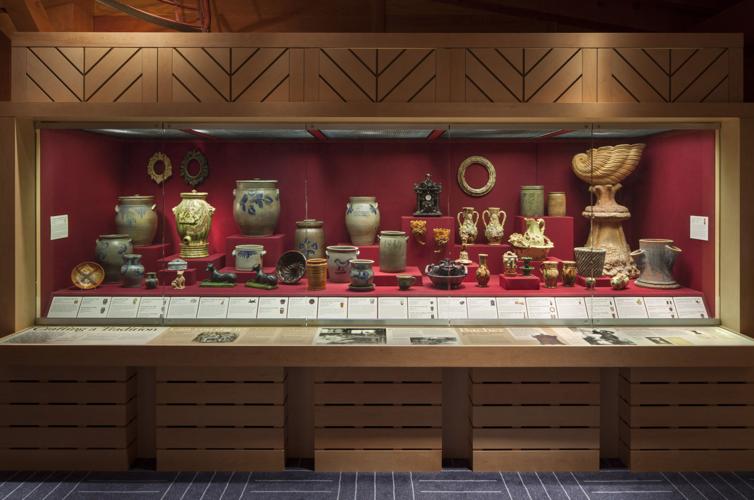
Museum of the Shenandoah Valley
On the outskirts of historic Old Town Winchester, the heritage of the Shenandoah Valley is on full display at this large museum, whose permanent collection houses more than 11,000 artifacts. Displays touch on furniture, textiles and more – in 2016, the museum marked its 10th anniversary, and the “Collect, Preserve, Interpret” exhibit highlights key items that tell the Valley’s story. The 214-acre property also includes the Glen Burnie House (circa 1794), which was home to museum benefactor Julian Wood Glass Jr. (Some pieces of his decorative arts collection are on view at the house, along with panels depicting the home’s history.) The house, surrounded by a 7-acre garden, is open for self-guided tours April through December.
- MSV PHOTO BY RON BLUNT
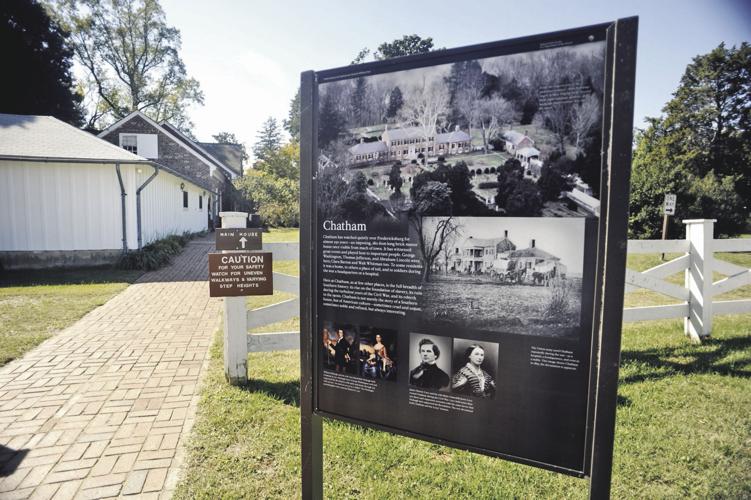
Chatham Manor
This Georgian mansion near Fredericksburg overlooking the Rappahannock River is owned by the National Park Service and is part of Fredericksburg and Spotsylvania National Military Park. The former 1,280-acre plantation was built between 1768 and 1771 by prominent Virginia lawmaker William Fitzhugh, and over its storied history, visitors included Presidents George Washington and Abraham Lincoln, Confederate Gen. Robert E. Lee, future American Red Cross founder Clara Barton and poet Walt Whitman. During the Civil War, Chatham Manor served as headquarters of a Union Army field hospital. Today, five of the mansion’s 10 rooms contain exhibits and are open to the public. So is Chatham Gardens, which offers sweeping views of Fredericksburg landmarks.
- FREE LANCE-STAR
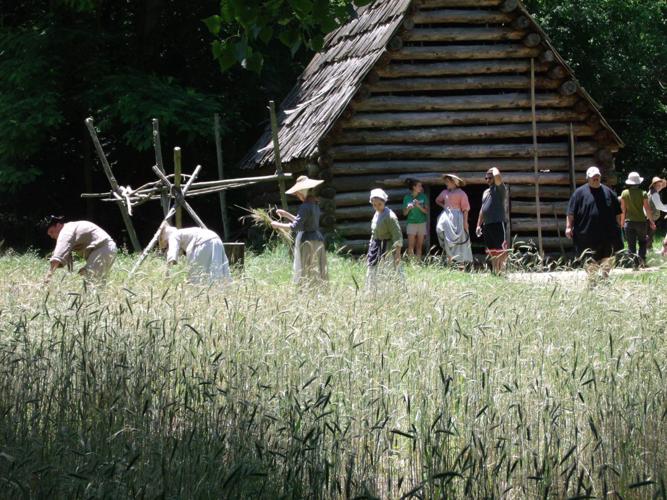
Claude Moore Colonial Farm
Authenticity lives at this living history museum in Northern Virginia’s McLean area, where visitors can participate in the daily activities of an 18th-century family farm. The site re-creates the life of a tenant family before the American Revolution and offers self-guided tours as well as hands-on educational programs focused on the Colonial period. Costumed staff and volunteers greet visitors in character. The farm holds a number of events related to the period, including an 18th-century Market Fair with period craftsmen, entertainers and merchants; the Wheat Harvest; Dairy Day; and the Christmas Wassail with dancing and caroling. The farm also offers plants, heirloom vegetables and herbs for sale. The Gate House Shop stocks educational and gift items. The farm reopens April 1.
- CLAUDE MOORE COLONIAL FARM
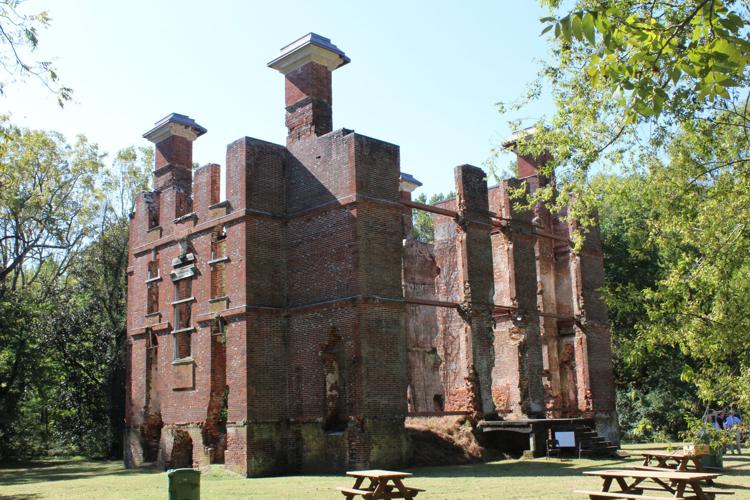
Gloucester
Dating to the late 1600s, Gloucester’s courthouse square includes one of the nation’s oldest courthouses (circa 1766) still in use (though not for court anymore). Other structures include a debtors prison and jail, and the Botetourt Building houses the Gloucester Museum of History. (The building originally served as a roadside tavern.) Gloucester also is home to the Rosewell Ruins (pictured). Built in the early 18th century, Rosewell was the ancestral home of the Page family but was destroyed by fire in 1916 – the dramatic ruins include several walls, four chimneys and the wine cellar. Other notable sites include the Colonial-era Abingdon Episcopal and Ware Episcopal churches. And the annual Daffodil Festival celebrates Gloucester’s nickname as the "daffodil capital of America" – colonists brought the bulbs to the county in the 1600s.
- ROSEWELL FOUNDATION
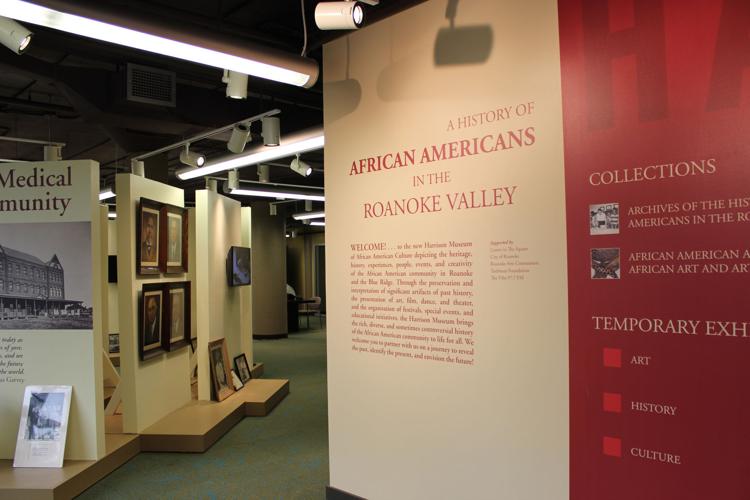
Harrison Museum of African-American Culture
The Roanoke Valley’s African-American history and culture are featured in the museum’s permanent collection, which includes memorabilia and photographs as well as African and contemporary art. Local heritage is further documented through oral histories and recollections from elders of the valley’s black communities. Each September, the museum hosts the Henry Street Heritage Festival, which celebrates the culture and heritage of people of African descent through entertainment, educational forums, crafts and more. The museum’s ongoing Artists and Musicians program features lectures, music and artworks presented by professors from nearby colleges.
- HARRISON MUSEUM OF AFRICAN-AMERICAN CULTURE
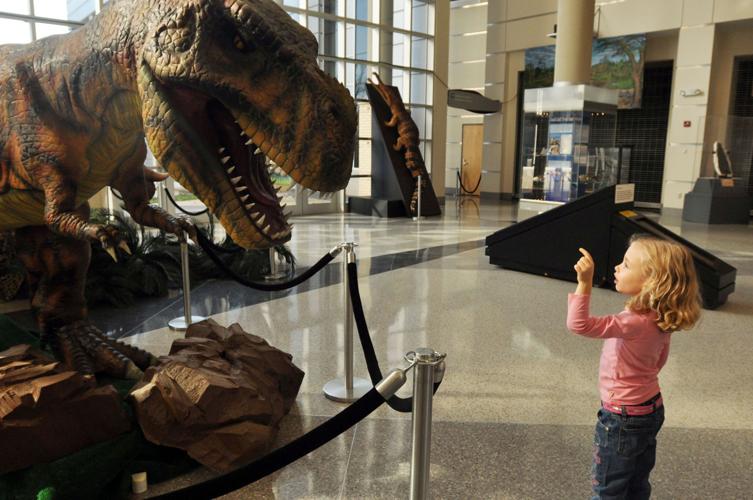
Virginia Museum of Natural History
An official state museum, the Virginia Museum of Natural History interprets the commonwealth’s natural past, with exhibits touching on our story from 500 million years ago to today. Life-size dinosaur cast skeletons, elaborate animal mount dioramas and hands-on displays are among the attractions. The “Uncovering Virginia” exhibit highlights sites at which museum scientists have worked to reveal the state’s past, and visitors can peek inside a working paleontology lab to watch scientists prepare dinosaur fossils from the Mesozoic Era (approximately 250 million to 65 million years ago). The archaeology lab offers a glimpse into the study of artifacts from ancient cultures, and the How Nature Works gallery features landscape models showing how energy and geological forces have shaped the Earth.
- DANVILLE REGISTER & BEE
Explore our rich history: 20+ sites to check out in Virginia
The RTD’s latest Discover Richmond magazine explores intriguing people, places and things in local and state history – from a famous Virginian you might not know to a 10-foot sloth with a link to Thomas Jefferson.
Discover Richmond will be delivered with Monday’s premium RTD for home-delivery subscribers. Newsstand customers and those seeking additional copies can purchase them at select retail locations, visit Richmond.com/Discover or call (804) 649-6261.
Exploring Virginia's rich history
History in the Richmond region is so deep that exploring it – whether for longtime residents or one-and-done visitors – is one of our most rewarding local endeavors. Of course, all of Virginia has amazing stories to tell, whether in celebration of Black History Month this February or other parts of our heritage. As the weather warms up and you're itching to explore, these spots can inspire you to get out and about – and probably learn something fascinating about Virginia's history along the way.
- MUSEUM OF CHINCOTEAGUE ISLAND
African-American Heritage Trail
This driving trail highlights 11 sites in Spotsylvania County that collectively feature about two dozen historic elements of African-American history. Sites include the John J. Wright Educational and Cultural Center and Museum (pictured), a renovated building of the only high school for black children from 1909 to 1968. Other highlights include the Goodwin Mine at Chewning Park, the third-largest gold mine in the country from 1830 to 1849; and Piney Branch Baptist Church with the adjacent Piney Branch School, the only one-room school for black children still standing in its original location. The church was also home of the 23rd Regiment, U.S. Colored Infantry – in the Civil War, it participated in the first known fight on Virginia soil of a full U.S. Colored regiment within the Army of the Potomac.
- SPOTSYLVANIA DEPARTMENT OF ECONOMIC DEVELOPMENT AND TOURISM
Gunston Hall
In Northern Virginia's Mason Neck area, the Potomac River is a picturesque backdrop for the home built by Revolution-era statesman George Mason, the author of the Virginia Declaration of Rights. (Mason was a proponent of religious tolerance and the right to a fair and speedy trial.) The home (circa 1755) features classical motifs of British design and elaborate formal rooms. Objects include a writing table, as family records note, where Mason did much of his work helping devise governmental forms for state and country. The grounds feature a central allée of English boxwood planted by Mason as well as gardens, a deer park, nature trails and the Mason family burial ground. Outbuildings include a kitchen, dairy, laundry and smokehouse, as well as a reconstructed schoolhouse.
- GUNSTON HALL
Anne Spencer House & Garden Museum
A poet, civil rights activist, teacher, librarian and gardener, Lynchburg’s Anne Spencer was an important figure of the Harlem Renaissance, and she helped found the local chapter of the National Association for the Advancement of Colored People. She was only the second African-American poet to appear in the Norton Anthology of Modern Poetry (in 1973), and her Queen Anne-style home – a kitchen wall even features one of her poems – was a gathering place for intellectuals and black travelers in the 1920s. Spencer’s home and her garden refuge are part of the city’s Pierce Street district that is rich with African-American history. The garden’s roses and many of the bulbs were planted by Spencer – flowers and shrubs that continue to grow.
- ANNE SPENCER HOUSE & GARDEN MUSEUM
Poplar Forest
One of only two homes designed by Thomas Jefferson for his own use, Poplar Forest near Lynchburg served as the third U.S. president’s personal retreat. His neoclassical home was on a more than 4,000-acre plantation and, after age 65, Jefferson spent a great deal of time at the estate, where he could unwind, read and explore the environment. Visitors can take a guided tour of Jefferson’s living spaces, including his dining room and parlor/library. A self-guided tour highlights lower-level exhibits and a restored kitchen and service wing. Restoration of the property and archaeology are ongoing. Archaeologists have been restoring the ornamental landscape around the house, which Jefferson designed based on what he saw in England and France.
- LYNCHBURG NEWS & ADVANCE
Newsome House Museum and Cultural Center
In Newport News, African-American attorney, journalist and civic leader Joseph Thomas Newsome moved into this 1899 home in 1906 and converted it from a saltbox structure to a Queen Anne-style residence, which became a hub of the local black community. Newsome served as state president of the Old Dominion Bar Association, and he was one of the first black solicitors in Virginia who successfully pleaded cases before the state Supreme Court. (In tribute to him, the city courts were closed the day of his funeral in 1942.) Newsome was also editor of The Newport News Star, a weekly black newspaper, and became a columnist for the Norfolk Journal and Guide. His home was the first black-owned structure to receive a National Historic Preservation Award.
- NEWPORT NEWS TOURISM DEVELOPMENT OFFICE
Hampton Roads Naval Museum
One of nine U.S. Navy museums, this location introduces visitors to more than 240 years of naval activity in Hampton Roads. The Norfolk museum is the Navy’s primary repository of artifacts from the USS Cumberland (sunk by the Confederate ironclad Virginia in the Civil War) and the CSS Florida. The more than 50 exhibits include a collection of naval ship models, 19th-century artwork and underwater archaeological finds from the Civil War. Visitors can learn about sailor life during the Revolutionary War and the floating cities that are modern aircraft carriers. Artifacts include a 1798 cannon from the frigate USS Constellation, a Mark 7 undersea mine from World War I and a torpedo warhead from a German U-boat. The museum also houses a naval history research library open by appointment.
- HAMPTON ROADS NAVAL MUSEUM
Schoolhouse Museum
In the town of Smithfield, this one-room structure highlights the schooling of black children in Isle of Wight County in the early 20th century, and it honors the legacy of those who promoted their education. The structure was built in 1932 as an addition to the Christian Home School, which was among the thousands of Rosenwald Schools that served black children in the South during the era. The addition was moved to the historic district of Smithfield in 2005 to be renovated and opened as a museum. It now includes period photographs, desks and other artifacts, and serves as a reminder of the commitment in black communities to expand educational opportunities for children.
- SCHOOLHOUSE MUSEUM
Bacon’s Castle / Smith’s Fort Plantation
Surry County is home to two Preservation Virginia sites. Bacon’s Castle (pictured) is the nation’s oldest existing brick dwelling (circa 1665). Its Jacobean architecture features triple-stacked chimneys and shaped Flemish gables, and the home boasts the oldest English formal garden in North America. (The house got its moniker from Colonial-era patriot Nathaniel Bacon, whose 1676 rebellion drove out loyalist homeowner Arthur Allen.) At Smith’s Fort Plantation, the stories of English explorer Captain John Smith, tobacco planter John Rolfe and Pocahontas come to life in guided tours. Though the brick house was built between 1751 and 1765, John Smith had begun construction of a fort on the same site in 1609 before abandoning the project. The land later was a dowry gift from Chief Powhatan to Rolfe.
- BOB BROWN
Barrier Islands Center
The culture and history of Virginia’s Barrier Islands are featured at this Northampton County museum and education site. Fishing and farming communities, U.S. Life-Saving Service surfmen and fancy hotels and hunt clubs catering to the elite once populated the islands. But storms, including the 1933 Chesapeake-Potomac hurricane, battered the homes and hotels, eroding the land and forcing islanders to move inland. The center presents exhibits and documentary films to tell the stories of the people who lived and worked on the islands. Opened in 2002 on the site of the former Almshouse Farm, which served as the Northampton poorhouse for almost 150 years, the center has three historic buildings: the 1890s Almshouse, the 1910 African-American Almshouse and a 1725 Quarter Kitchen.
- JAY DIEM FOR THE BARRIER ISLANDS CENTER
The Crooked Road
This 330-mile driving trail through the Appalachian Mountains of Southwest Virginia is designated as Virginia’s Heritage Music Trail for good reason: It features nine major venues and more than 60 affiliated music sites and festivals, all along a route through 19 counties and more than 50 cities and towns. In Bristol, the Birthplace of Country Music Museum highlights the city’s music history and, in Ferrum, the Blue Ridge Institute and Farm Museum captures regional folklore. In Galax, the weeklong Old Fiddlers Convention is the world’s oldest and largest fiddlers convention. The Crooked Road also includes recreational activities, crafts and cultural programs. Look for highway signs that designate the route as well as wayside exhibits highlighting local music and history.
- BRISTOL HERALD COURIER
Museum of the Shenandoah Valley
On the outskirts of historic Old Town Winchester, the heritage of the Shenandoah Valley is on full display at this large museum, whose permanent collection houses more than 11,000 artifacts. Displays touch on furniture, textiles and more – in 2016, the museum marked its 10th anniversary, and the “Collect, Preserve, Interpret” exhibit highlights key items that tell the Valley’s story. The 214-acre property also includes the Glen Burnie House (circa 1794), which was home to museum benefactor Julian Wood Glass Jr. (Some pieces of his decorative arts collection are on view at the house, along with panels depicting the home’s history.) The house, surrounded by a 7-acre garden, is open for self-guided tours April through December.
- MSV PHOTO BY RON BLUNT
Chatham Manor
This Georgian mansion near Fredericksburg overlooking the Rappahannock River is owned by the National Park Service and is part of Fredericksburg and Spotsylvania National Military Park. The former 1,280-acre plantation was built between 1768 and 1771 by prominent Virginia lawmaker William Fitzhugh, and over its storied history, visitors included Presidents George Washington and Abraham Lincoln, Confederate Gen. Robert E. Lee, future American Red Cross founder Clara Barton and poet Walt Whitman. During the Civil War, Chatham Manor served as headquarters of a Union Army field hospital. Today, five of the mansion’s 10 rooms contain exhibits and are open to the public. So is Chatham Gardens, which offers sweeping views of Fredericksburg landmarks.
- FREE LANCE-STAR
Claude Moore Colonial Farm
Authenticity lives at this living history museum in Northern Virginia’s McLean area, where visitors can participate in the daily activities of an 18th-century family farm. The site re-creates the life of a tenant family before the American Revolution and offers self-guided tours as well as hands-on educational programs focused on the Colonial period. Costumed staff and volunteers greet visitors in character. The farm holds a number of events related to the period, including an 18th-century Market Fair with period craftsmen, entertainers and merchants; the Wheat Harvest; Dairy Day; and the Christmas Wassail with dancing and caroling. The farm also offers plants, heirloom vegetables and herbs for sale. The Gate House Shop stocks educational and gift items. The farm reopens April 1.
- CLAUDE MOORE COLONIAL FARM
Gloucester
Dating to the late 1600s, Gloucester’s courthouse square includes one of the nation’s oldest courthouses (circa 1766) still in use (though not for court anymore). Other structures include a debtors prison and jail, and the Botetourt Building houses the Gloucester Museum of History. (The building originally served as a roadside tavern.) Gloucester also is home to the Rosewell Ruins (pictured). Built in the early 18th century, Rosewell was the ancestral home of the Page family but was destroyed by fire in 1916 – the dramatic ruins include several walls, four chimneys and the wine cellar. Other notable sites include the Colonial-era Abingdon Episcopal and Ware Episcopal churches. And the annual Daffodil Festival celebrates Gloucester’s nickname as the "daffodil capital of America" – colonists brought the bulbs to the county in the 1600s.
- ROSEWELL FOUNDATION
Harrison Museum of African-American Culture
The Roanoke Valley’s African-American history and culture are featured in the museum’s permanent collection, which includes memorabilia and photographs as well as African and contemporary art. Local heritage is further documented through oral histories and recollections from elders of the valley’s black communities. Each September, the museum hosts the Henry Street Heritage Festival, which celebrates the culture and heritage of people of African descent through entertainment, educational forums, crafts and more. The museum’s ongoing Artists and Musicians program features lectures, music and artworks presented by professors from nearby colleges.
- HARRISON MUSEUM OF AFRICAN-AMERICAN CULTURE
Virginia Museum of Natural History
An official state museum, the Virginia Museum of Natural History interprets the commonwealth’s natural past, with exhibits touching on our story from 500 million years ago to today. Life-size dinosaur cast skeletons, elaborate animal mount dioramas and hands-on displays are among the attractions. The “Uncovering Virginia” exhibit highlights sites at which museum scientists have worked to reveal the state’s past, and visitors can peek inside a working paleontology lab to watch scientists prepare dinosaur fossils from the Mesozoic Era (approximately 250 million to 65 million years ago). The archaeology lab offers a glimpse into the study of artifacts from ancient cultures, and the How Nature Works gallery features landscape models showing how energy and geological forces have shaped the Earth.
- DANVILLE REGISTER & BEE
![A1 Minute! March 8, 2024: New Monticello tour features women’s history[A1]](https://bloximages.newyork1.vip.townnews.com/mcdowellnews.com/content/tncms/assets/v3/editorial/9/6a/96add195-42e7-5825-a821-f058f4ec5eeb/65eb8341d21e2.image.jpg)