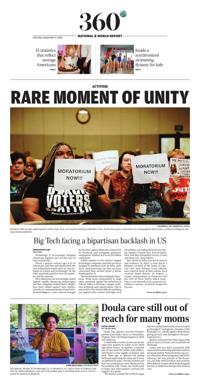

RARE MOMENT OF UNITY
Big Tech facing a bipartisan backlash in US
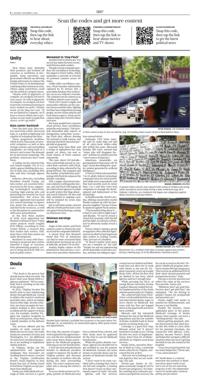
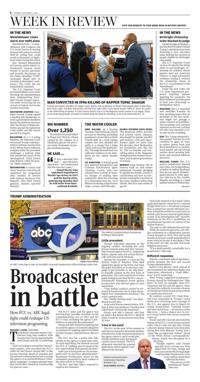
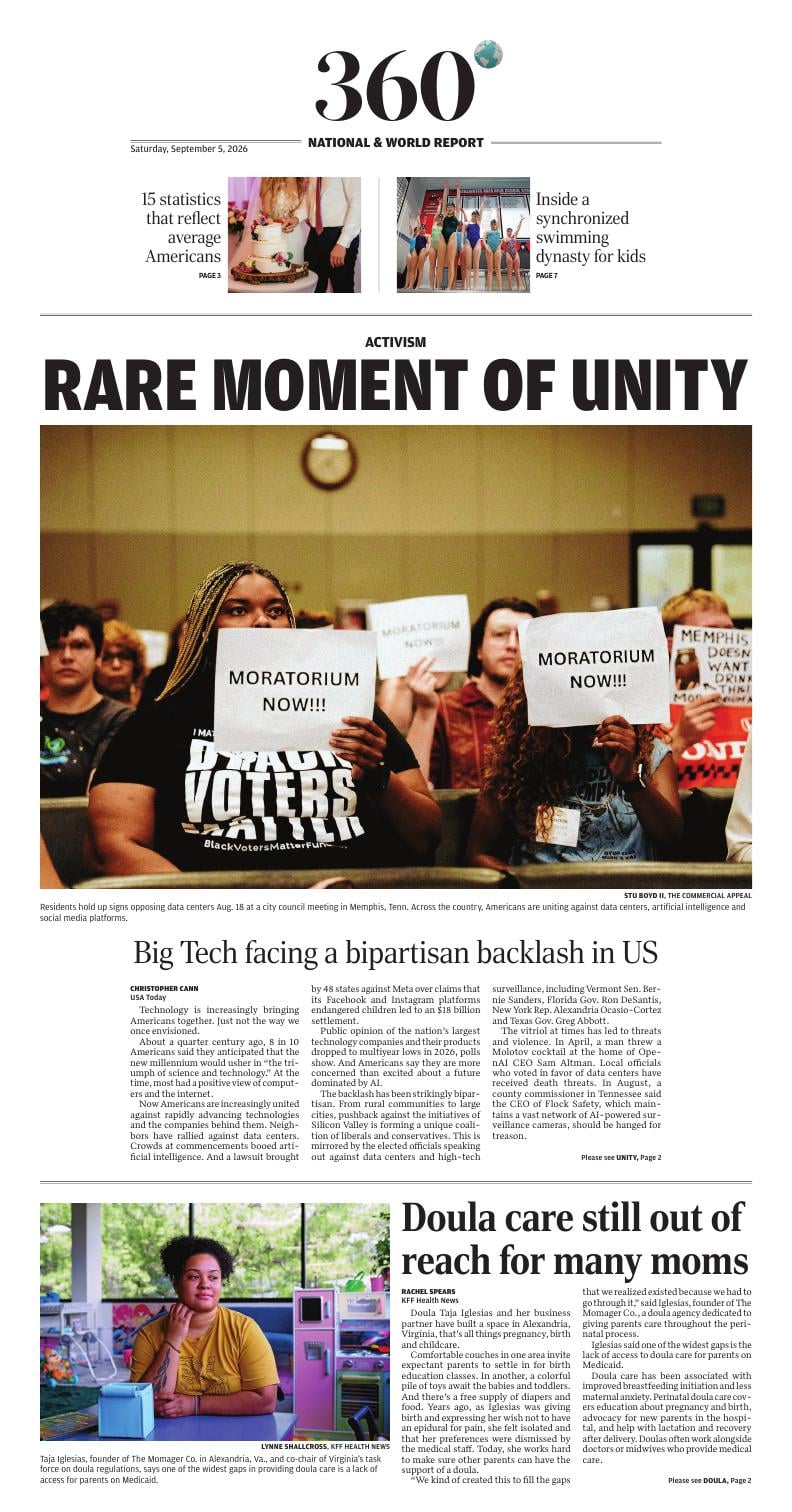
Residents hold up signs opposing data centers Aug. 18 at a city council meeting in Memphis, Tenn. Across the country, Americans are uniting against data centers, artificial intelligence and social media platforms.
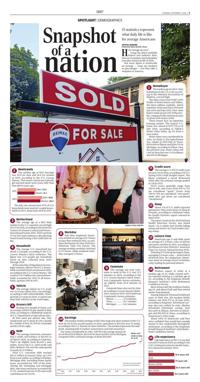
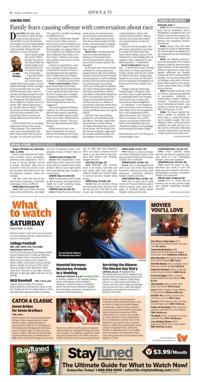
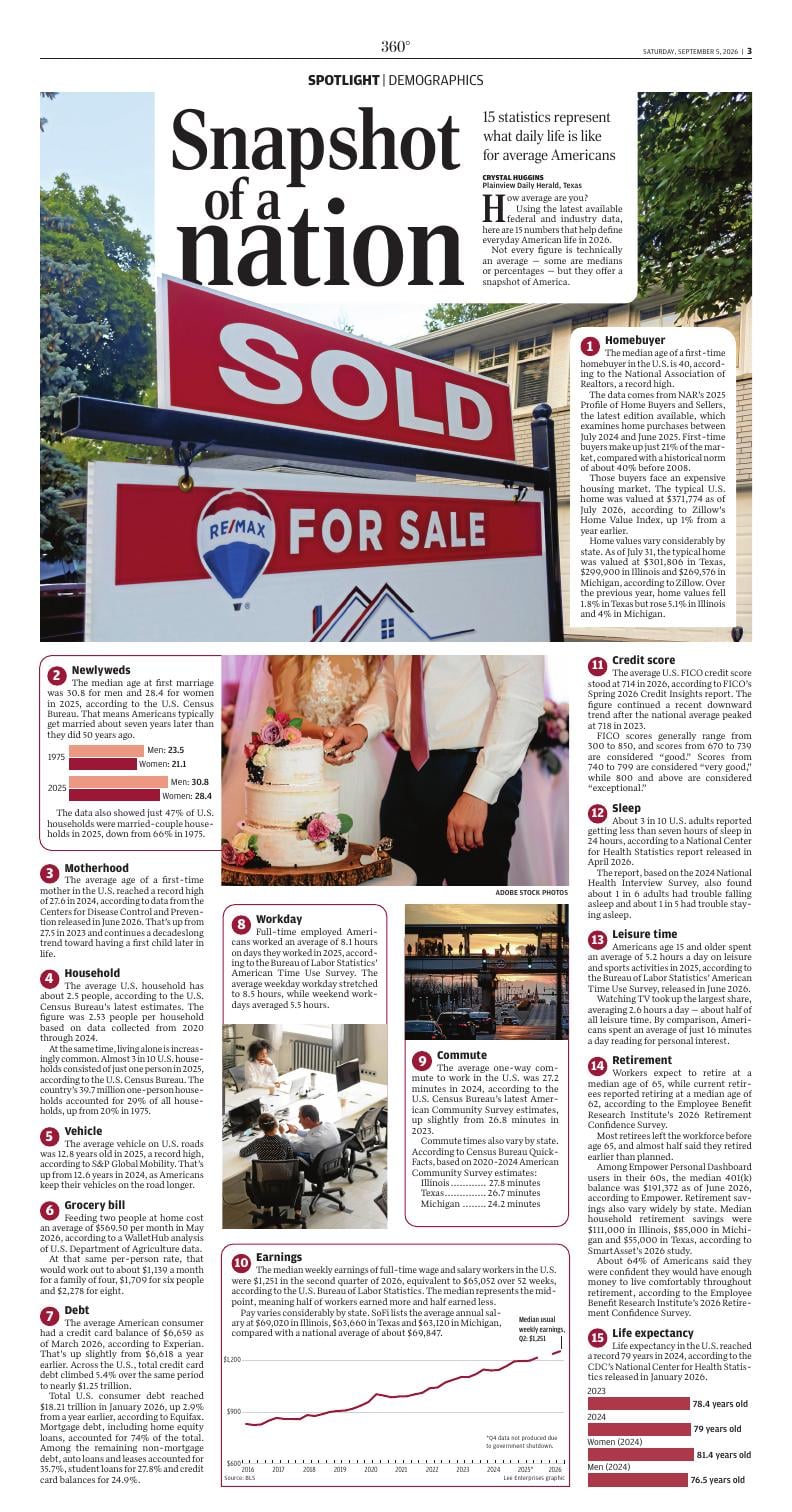
A Flock camera trains its lens on vehicles Aug. 20 traveling down County Street in New Bedford, Mass.
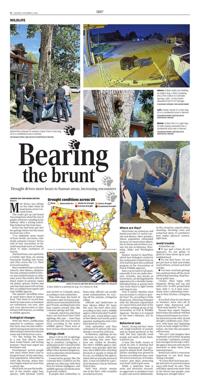
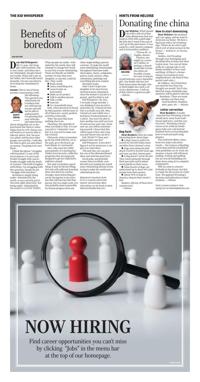
A woman holds a picture and a placard with names of children and young adults harmed by social media during a news conference Aug. 18 in Oakland, California, as a landmark trial began over allegations against Meta's practices involving children.
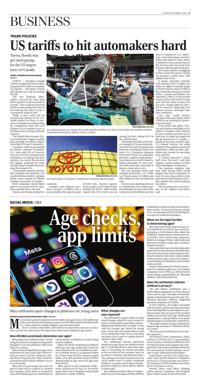
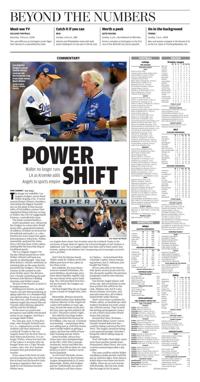
Manchester, N.J., residents hold signs of protest against data centers during a meeting Aug. 24 of the Manchester Township Council.
ACTIVISM
Technology is increasingly bringing Americans together. Just not the way we once envisioned.
About a quarter century ago, 8 in 10 Americans said they anticipated that the new millennium would usher in "the triumph of science and technology." At the time, most had a positive view of computers and the internet.
Now Americans are increasingly united against rapidly advancing technologies and the companies behind them. Neighbors have rallied against data centers. Crowds at commencements booed artificial intelligence. And a lawsuit brought by 48 states against Meta over claims that its Facebook and Instagram platforms endangered children led to an $18 billion settlement.
Public opinion of the nation's largest technology companies and their products dropped to multiyear lows in 2026, polls show. And Americans say they are more concerned than excited about a future dominated by AI.
The backlash has been strikingly bipartisan. From rural communities to large cities, pushback against the initiatives of Silicon Valley is forming a unique coalition of liberals and conservatives. This is mirrored by the elected officials speaking out against data centers and high-tech surveillance, including Vermont Sen. Bernie Sanders, Florida Gov. Ron DeSantis, New York Rep. Alexandria Ocasio-Cortez and Texas Gov. Greg Abbott.
The vitriol at times has led to threats and violence. In April, a man threw a Molotov cocktail at the home of OpenAI CEO Sam Altman. Local officials who voted in favor of data centers have received death threats. In August, a county commissioner in Tennessee said the CEO of Flock Safety, which maintains a vast network of AI-powered surveillance cameras, should be hanged for treason.
Tech titans have defended their products and brushed off concerns as overblown or misguided. Some executives and government officials say allowing foreign adversaries to outpace the United States in AI development could jeopardize national security. Others argue restrictions could rob the world of a utopian future.
"Maybe with 10 gigawatts of compute, AI can figure out how to cure cancer. Or with 10 gigawatts of compute, AI can figure out how to provide customized tutoring to every student on earth," Altman wrote on his blog last year. "If we are limited by compute, we'll have to choose which one to prioritize; no one wants to make that choice, so let's go build."
Data center backlash
Over the past year, data centers went from a little-discussed topic to a political lightning rod capable of reshaping elections.
These gargantuan facilities, which house thousands of powerful computers as well as data storage systems and networking equipment, are being built at a historic rate to meet the demand for AI and cloud computing. The problem: Americans don't want them.
A Gallup survey released this year found roughly 71% of U.S. adults oppose building data centers in their area, including 48% who said they strongly oppose them.
Industry advocates, including President Donald Trump, say data centers are essential infrastructure for the AI era, supporting technological innovation, creating high-paying jobs and generating tax revenue for local communities. But across the country, opponents have packed city council meetings to express fury about the strain on water and electricity resources, as well as the disruption to communities with noise and pollution.
In the first three months of 2026, local opposition has blocked or delayed at least 75 data center projects worth roughly $130 billion, according to Data Center Watch, a research firm that studies data centers. Still, more than 1,500 data centers are under development.
Residents in areas with functioning or proposed data centers reported a range of concerns, from plummeting property values to rising electricity bills to a lack of public notice.
Movement to 'stop Flock'
Another front in Americans' war on tech has taken the form of automated license plate readers.
Though several companies produce the surveillance technology, the largest is Flock Safety, which maintains a network of 120,000 AI-powered cameras across 49 states.
Unlike older surveillance cameras, Flock transfers information captured by its devices into a searchable database that authorities can access without a warrant. The company says its cameras scan 20 billion vehicles every month.
Flock CEO Garrett Langley and many police officials say the cameras are an essential crime-fighting tool that have helped find missing people, recover stolen vehicles and track down suspects. Flock says its cameras help solve 700,000 crimes each year.
But many people have concerns about privacy, mass surveillance and police misconduct. The backlash intensified after reports of immigration authorities accessing Flock data, officers abusing the network to stalk women, and misreads that led to innocent people held at gunpoint.
Lawsuits have been filed, and a string of vigilantism has seen people cut down, run over or shoot dozens of Flock cameras nationwide.
This year, about 100 jurisdictions nationwide paused or canceled their contracts with Flock, according to data collected by the group DeFlock. The company said the number of jurisdictions partnering with Flock far outpaces the number canceling.
Still, Langley announced measures aimed at curbing police misuse, and said Flock will require all law enforcement agencies to adopt an audit system that flags abnormal search behavior. He also said data unrelated to ongoing cases will be retained for seven days instead of 30.
But as with data centers, elected officials of both parties have come out against the technology, seizing on Americans' fury.
Ominous warnings about AI
Anger at data centers and Flock cameras comes as Americans sour on AI and the companies behind it.
A survey from Pew Research found that 52% of Americans say they're more concerned than excited about increased use of AI in daily life, up from 37% in 2021.
Anxiety largely centers on the potential for mass job loss, a scenario tech executives themselves have warned about.
Anthropic CEO Dario Amodei said AI could wipe out half of all entry-level white-collar jobs within five years. Microsoft founder Bill Gates warned that "many jobs will disappear forever" and that AI could become the "worst source of injustice."
Americans, meanwhile, are growing tired of what many call "AI slop," a term describing low-quality content generated by artificial intelligence.
A YouGov Poll in July found that 7 in 10 adults believe technology companies have too much power. And while most respondents said they had recently used AI, fewer than 1 in 5 said they trust tech companies to manage the development and deployment of the technology.
In Hendersonville, North Carolina, lifelong conservative Austin Rhodes teamed up with his progressive neighbor Tiernan Turner to speak out against Flock cameras.
"The beautiful thing about it … is that it's not a left or right issue," said Rhodes. "If you've struck a chord that resonates with the left and the right, in a divisive culture, you've obviously (really) struck a chord."
Tracee Laing is among a group of organizers who collected signatures in an effort to ban hyperscale data centers in Licking County, Ohio, just east of Columbus.
"It doesn't matter what party you are a member of," she said. "People see and are experiencing all the downsides of the data centers, and they are willing to sign."