

Columnist: Keep furry family members safe during fireworks celebrations
Independence Day is one of America's favorite celebrations. Cookouts, family gatherings, parades and fireworks are all a treasured part of our most patriotic national holiday.
For our pets, however, the experience can be very different.
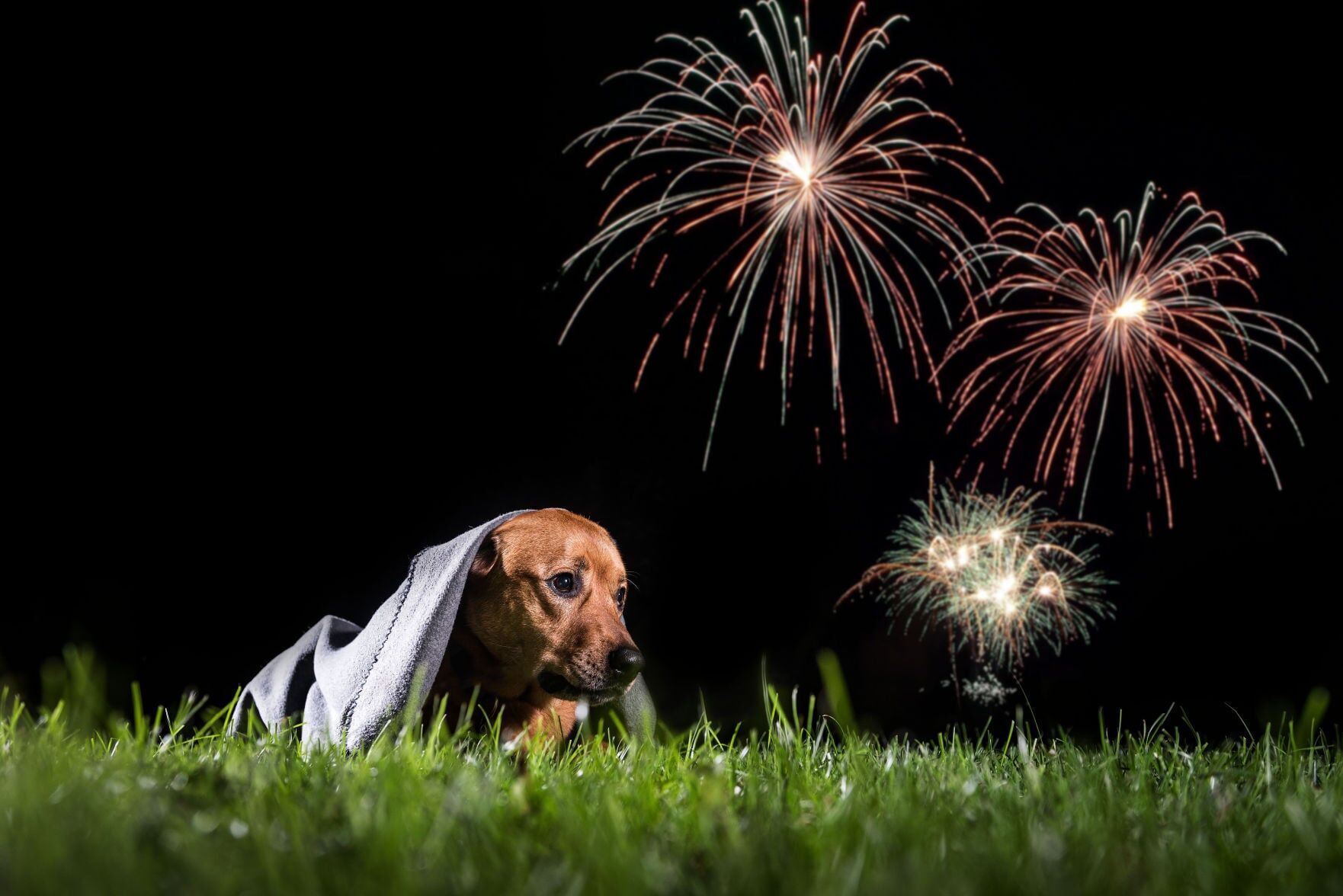
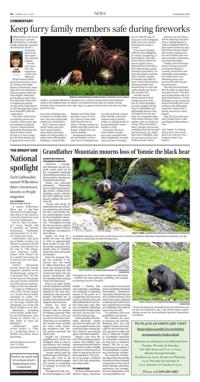
Aladdin, a Labrador-Rhodesian ridgeback mix, is afraid of being outside when fireworks sound in the neighborhood. His owners, the Holcomb family, keep him indoors during firework shows to keep him calm. More dogs run away on the Fourth of July than any other day of the year.
While humans often look forward to the crackles, booms and bright flashes of fireworks, many dogs and cats experience intense anxiety when the noise begins. More pets go missing on July 4 than any other day of the year, as frightened animals escape yards, jump fences or bolt through open doors in an attempt to flee the commotion.
The effect of fireworks on animals can be catastrophic. Many years ago, my neighbor’s dog had a stress-related seizure induced by fireworks and died of a heart attack on July 4. It was a tragic loss for their family and it opened my eyes to the necessity of taking steps to keep furry family members safe and comfortable during our celebrations.

Cami Hepler
First, and most importantly, bring your pets into a secure indoor space before fireworks begin, if at all possible. A quiet room with familiar bedding, a comfortable blanket and water helps provide a sense of security. Distract them with their favorite toys or treats. Closing curtains or blinds may help reduce the flashes of light that can startle animals.
Background noise can also be helpful. A television, fan or calming music can help mask the sounds from outside. Some pets respond well to anxiety wraps or calming products recommended by veterinarians as well.
Even pets that have never tried to escape may react unpredictably when frightened, so make sure your pet is wearing up-to-date ID tags. If your pet is microchipped, make sure your contact information on file is current.
If you aren’t familiar with pet microchipping, it’s worth considering. A microchip is a tiny electronic device, about the size of a grain of rice, implanted just beneath a pet's skin during a quick veterinary procedure. It’s typically painless and the chip contains a unique ID number that links to your contact information, allowing shelters and veterinarians to scan and safely reunite you if your pet ever gets lost.
Another recent advancement in technology for pets is the use of collars designed to hold an Apple AirTag. They’re affordable and lightweight devices that can help locate lost animals. By communicating with nearby iPhones, they update a pet’s location on a map. They have limitations, though, such as not working in heavily wooded and rural areas. So, while they aren’t infallible, they are one more tool in your toolbox for pet safety.
Exercise can also play a role in reducing your pet’s stress. Taking dogs for a walk or engaging them in play earlier in the day may help them remain calmer later in the evening. Just be sure to finish your outdoor activities well before any fireworks begin.
Finally, resist the temptation to bring your pets to fireworks displays. Crowds, loud noises and unfamiliar surroundings are a trifecta for overwhelming stress and increase the risk of a pet becoming lost.
You may love fireworks, but the odds are good that your pets do not. The best way to keep them safe is to keep them indoors. A little planning can go a long way toward ensuring that your holiday ends with happy memories rather than a frantic search for a missing pet.
May all of you and your furry friends have a safe and Happy Independence Day!
Cami Hepler is a lifelong animal lover, year-round sports fan, and part-time freelance writer from Hickory.
Related

You know what the historic event was that happened on this day in 1776, but do you know how many people visit the ER with firework-related inj…