

FROM TIP TO TOE
For healthier nails, dermatologist shares steps for addressing common problems

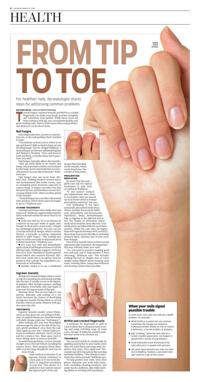
Toenail fungus, ingrown toenails and brittle or cracked fingernails can make your hands and feet unsightly and sometimes even painful. While these issues are more common with age, you can maintain healthy and good-looking nails. Here is what causes these nail problems and what you can do about them.
Nail fungus
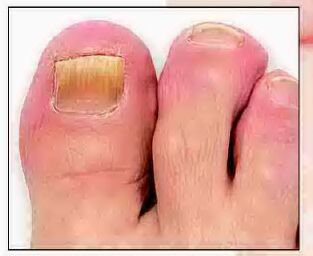
Nail fungal infection, known as onycho-mycosis, is the nail problem that's hardest to treat.
"Our immune system is not as robust as we age and doesn't fight as hard to keep out any invading fungi," says Dr. Abigail Waldman, a dermatologist at Harvard-affiliated Brigham and Women's Hospital. "Also, nail tissue is hard and thick, so medications don't penetrate very well."
Nail fungus typically affects the toenails.
"Feet are more likely to be sweaty and damp, which provides a better environment for the fungi, yeasts and molds that are naturally present on your skin to flourish," Waldman says.
Nail fungus also can occur from athlete's foot. Walking barefoot around warm, wet environments like locker rooms, spas or swimming pools increases exposure to various fungi. A fungus can infect the skin between the toes and elsewhere on your feet, causing athlete's foot, which can then spread to the toenails.
"Toenail fungus also can affect the toenail after an injury, which allows space for fungus to get in," Waldman says.
AT-HOME TREATMENTS
Treating nail fungus takes dedication and some luck. Waldman suggests following this daily treatment routine for about three to six months:
■ Soak your feet for 10 to 20 minutes in a mixture of one part white or apple cider vinegar to three parts warm water. Vinegar has antifungal properties. You also can use Listerine instead of vinegar, which contains thymol, a naturally occurring compound known to fight fungus. "The soaking also helps to soften your nails to help medication to better penetrate," Waldman says.
■ Dry your feet well and immediately apply a topical antifungal substance to all the affected nails. Waldman suggests 100% tea tree oil or Vicks VapoRub or similar generic brand (which also contains thymol). Athlete's foot cream also is an option; look for products that contain the ingredients clotrimazole or terbinafine.
■ Another choice is to use a medicated lacquer that is brushed on the toenails, which can be found over-the-counter at drug stores.
PRESCRIPTION MEDICATION
Be aware that the complete cure rate for topical treatments is only 20%, according to Waldman.
"If you haven't noticed any improvement after three to six months, then you should see your doctor about a stronger prescription oral drug," she says.
Oral terbinafine is the most commonly prescribed medication. Others include fluconazole (Diflucan), griseofulvin and itraconazole (Sporanox). Many dermatologists take a clipping of the affected nail to test the fungus to determine which medication would be most effective. Oral medications are taken daily for up to three months. While the cure rates are higher than with topicals (between 40% and 80%), these drugs have more side effects, including stomach upset, diarrhea and, in rare cases, liver damage.
Even if your toenails return to their normal appearance after treatment, the fungal infection may still lurk under your nails.
"So, you need to practice ongoing good foot and nail care to help prevent it from returning," Waldman says. This includes soaking the foot in vinegar once or twice weekly, being diligent about wearing clean socks, rotating shoes, using clean bathmats and wearing sandals when possible.
Ingrown toenails
An ingrown toenail develops when a corner or side of a toenail grows downward and digs into the skin. It usually occurs on the big toe. Symptoms often include soreness, swelling and redness. Eventually, skin may begin to grow over the ingrown part of the nail.
Wearing shoes that are too tight or too narrow, improper nail cutting or a toe injury increases the chance of developing an ingrown toenail. Having thick or curved toenails, which are more common with age, also raises the risk.
TREATMENTS
Ingrown toenails usually correct themselves as they grow out, according to Waldman. To support the process, treat the toenail with daily vinegar soaks (see "Nail fungus").
After soaking, dry your foot thoroughly and massage the skin at the side of the toenail, gently pushing it away from the nail. Then apply an over-the-counter hydrocortisone or antibiotic ointment. Don't cut your nail for a week or two. Wear open-toed or loose-fitting shoes as much as possible.
To avoid future problems, cut your toenails straight across the top without rounding the corners down. Wear properly fitted shoes with a toe box large enough for your toes to move freely.
Seek medical evaluation if an ingrown toenail continues to cause pain or if you have diabetes or impaired circulation in your feet. Your doctor or a podiatrist may need to remove the ingrown part of the nail.
Brittle and cracked fingernails
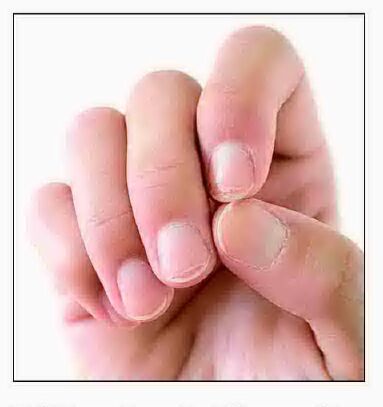
A tendency for fingernails to split or crack is likely due to frequent hand washing and using irritating soap. In some cases, though, it indicates a health problem that needs to be checked out.
TREATMENTS
You can treat brittle or cracked nails by applying moisturizer to your hands every time you wash them and using mild, fragrance-free soaps. Also, apply over-the-counter nail oil to the nails in the morning and before bedtime. "The oil helps to moisturize the cuticle and nail," Waldman says.
To help protect your nails, wear latex gloves whenever you work with chemicals, including cleaning products, and under harsh conditions, like while washing dishes or working with machinery.
When your nails signal possible trouble
In some cases, your nails may indicate a health problem. For example:
■ While brittle or cracked nails are common, sometimes the changes are related to inadequate protein intake, an iron or vitamin B deficiency, a thyroid problem or diabetes.
■ Nail "clubbing," when the nails take on a raised, rounded appearance, can happen in people with a variety of lung diseases.
■ Small indentations and thickening of the nails often occur in people with psoriasis.
■ Very dark spots beneath your nails are often due to bleeding. However, a persistent dark spot could be a sign of skin cancer.