
New shot at life
How donor transplant cured New Jersey girl with sickle cell anemia

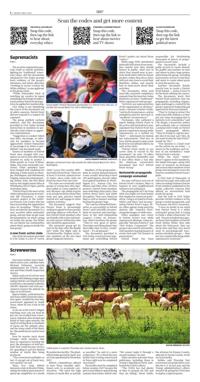
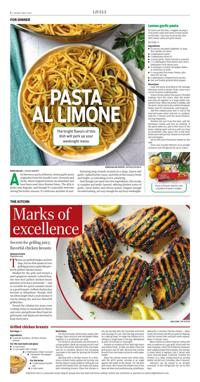
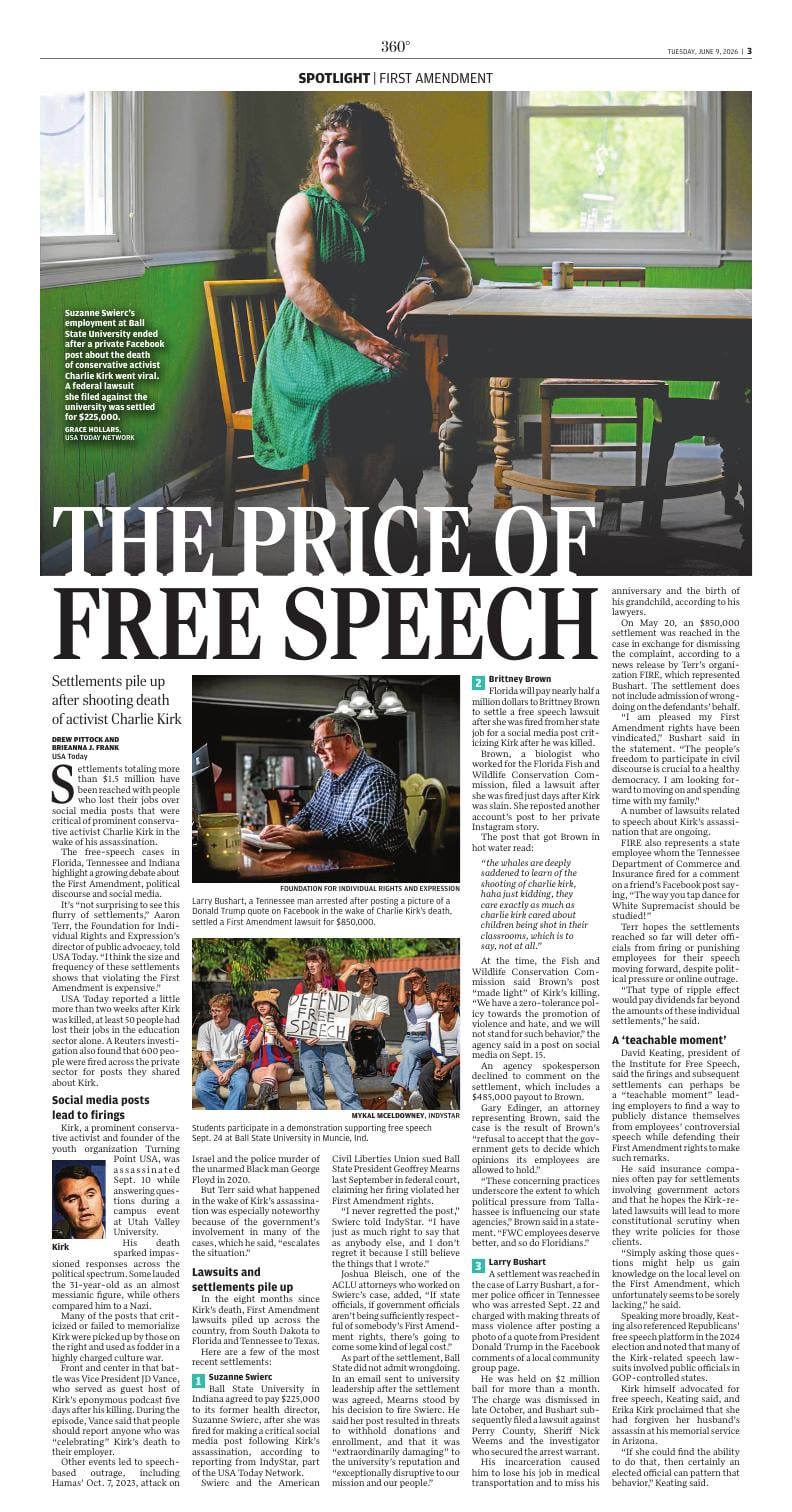
Aya Gibson Taylor became a first-year student at the Hackensack Meridian school of Medicine last July.

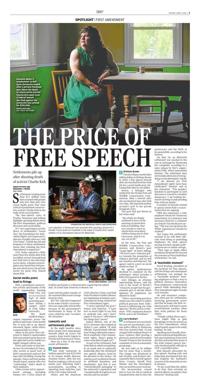
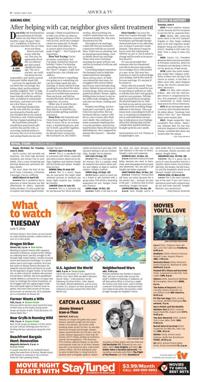
Aya Gibson Taylor, 11, receives a bone marrow transplant in august 2012 at Hackensack university Medical Center.

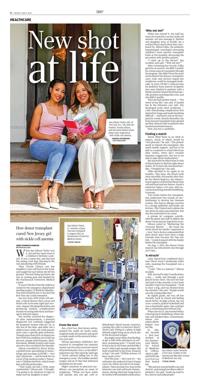
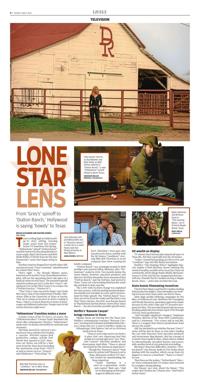
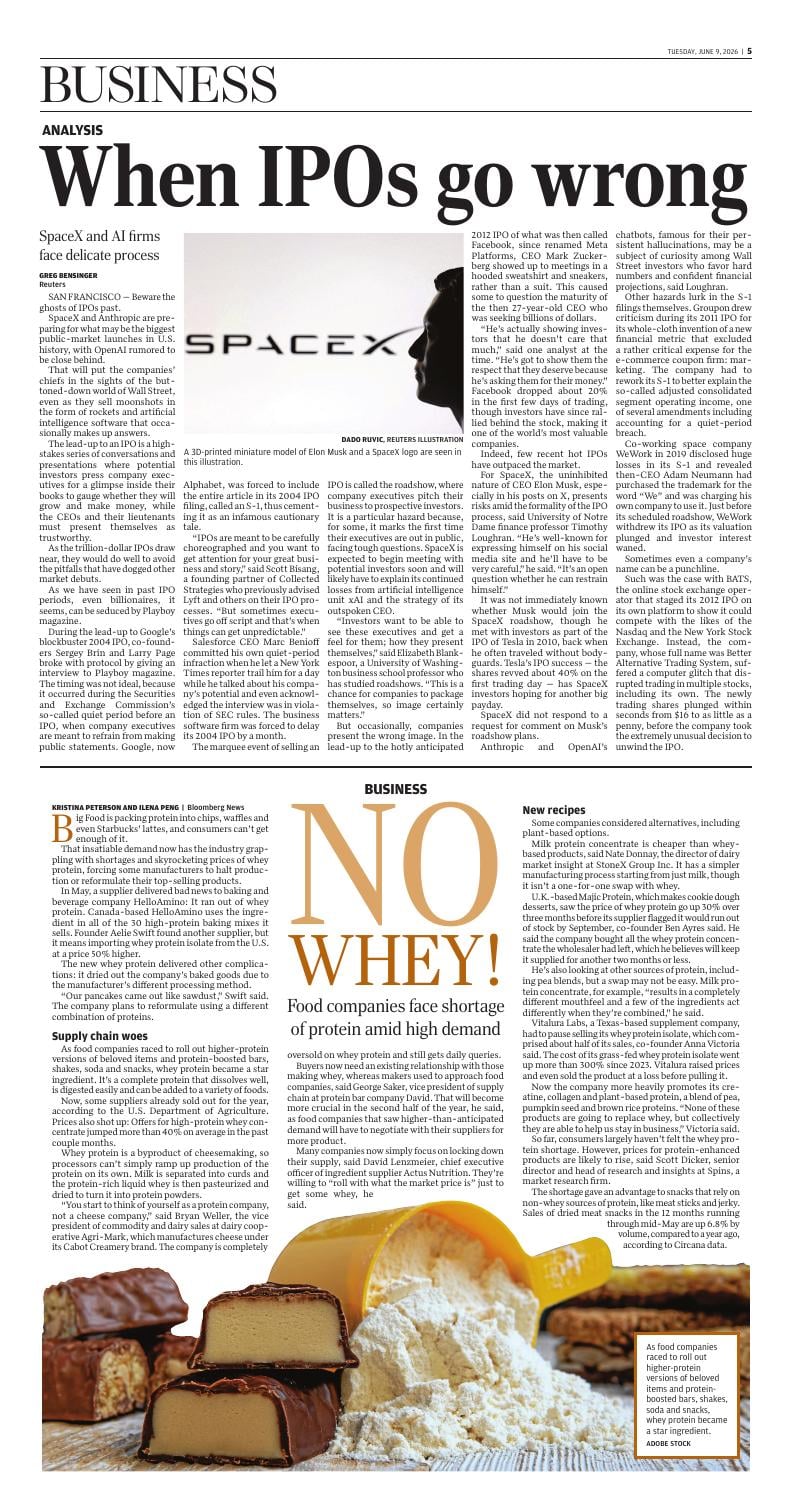
Aya Gibson Taylor, left, of Fort Lee, N.J., sits with her mother, Tyrene Gibson, and the book Gibson wrote about their experience with sickle cell anemia.
HEALTHCARE
When Aya Gibson Taylor was 6, she and her mom went to a children's birthday cookout. It was a warm day, and Aya had fun eating a hot dog, dancing in the sun and playing with friends.
Then Tyrene Gibson saw her daughter's eyes roll back in her head, and caught her just before she hit the ground. The next thing Aya knew, she was in searing pain and headed for the Hackensack University Medical Center.
It wasn't the first time the child was rushed to the emergency department needing oxygen, IV fluids for dehydration and a hospital stay. It was just the first time she could remember.
Aya was born with sickle cell anemia, a blood disease that causes red blood cells to become rigid and crescent-shaped, blocking blood flow and producing anemia; complications include recurring infections and damage to internal organs.
Her mother received the diagnosis after amniocentesis, a prenatal diagnostic test routinely suggested for pregnant women who are 34, as she was at the time, and older. For a child to have sickle cell, both parents must carry a specific gene mutation. Though more than 90% of Americans born with the condition are of African descent, people with Hispanic, Mediterranean, Middle Eastern and Asian ancestry also can inherit the disorder.
Gibson consulted Dr. Bruce Terrin, a pediatrician specializing in hematology and oncology at HUMC — he's Aya's physician — and he took her on a tour of the medical center's Tomorrow's Children Institute, which treats kids with blood disorders.
"That made me feel a little more comfortable," Gibson said. "I thought, 'I'm going to do whatever it takes to make sure my daughter is okay.'"
From the start
Aya, a Fort Lee, New Jersey, native, entered the world six weeks early, weighed under five pounds and spent a couple weeks in the neonatal intensive care unit.
Gibson speculates antibiotics Aya received to strengthen her immune system over two years may have staved off potential pain crises, as Aya didn't experience her first episode until age 3. Terrin advised taking her to the emergency room. The toddler needed oxygen and an IV line that delivered morphine for her pain.
Slight variations in physical conditions can precipitate an onset of symptoms. "When you have sickle cell anemia and you get cold or dehydrated, blood vessels constrict, causing the cells to (obstruct flow)," Terrin said. Flying in a plane at high altitude might bring on an attack due to the decreased oxygen.
Aya might sweat while cheerleading, or get a chill while playing in an outdoor swimming pool. "I would start to feel achy in my bones and feel like I wasn't able to get enough oxygen. My body would hurt in the arms, stomach or legs," she said. "Within an hour, I'd have a pain crisis."
Over the years — she's now 24 — she estimates she endured at least 10 pain crises for which she had to be hospitalized. These include two stays in the intensive care unit and bouts of pneumonia, during which her lungs had to be treated with inhalable medication.
'Why not me?'
When Aya turned 9, she told her mom she wanted to cure her sickle cell anemia, not just manage it. Mother and daughter were at HUMC for a routine blood check when they overheard Dr. Alfred Gillio, the pediatric hematologist-oncologist overseeing children's bone marrow transplant trials at the hospital, discussing the procedure with another patient.
"I went up to the doctor," Aya recalled, and said, "'Why not me?'"
After reviewing her records, Gillio gave her an answer: she didn't qualify for a bone marrow transplant through his program. She didn't have the most severe kind of the disease, transplants carry risks and doctors hoped her symptoms could be managed medically. In 2010, HUMC's clinical trials for pediatric bone marrow recipients also were limited to patients with a family member whose blood had specific proteins matching their own, and Aya didn't qualify.
Then she had another attack — "the worst of my life," she said. It landed her in the intensive care unit. She developed acute chest syndrome — a life-threatening complication that injured her lungs and made breathing difficult — and had to stay in the hospital for a week. Shortly thereafter, the bone marrow transplant team opened up their clinical trials to patients who needed nonrelated donors.
Now, Aya was a candidate.
Finding a match
Terrin filled them in on what to expect, much of which would be "not pleasant," he said. "The patient needs to tolerate the transplant. She needs family support, and has to be able to cooperate to avoid infections after chemo, when she's severely immune-suppressed. She has to be able to take all her medications."
She also had to be able to have 15 vials of blood drawn to find the right donor match. At 10 years old, Aya feared needles. "I freaked out," she said.
Gillio decided to try again in six months. This time, the blood work went smoothly. Six months after that, Be the Match Registry, the international registry of potential blood stem cell and bone marrow donors, found a match for Taylor: a 30-year-old Caucasian man living outside Heidelberg, Germany.
Two weeks before the transplant, Aya underwent two rounds of chemotherapy to destroy her immune system. She had an allergic reaction to a strong antibiotic and broke out in hives. The Tylenol and codeine she was given for pain nauseated her. But she was motivated to be cured.
A private jet company contributed the plane and staff to deliver the donor's bone marrow, kept fresh on ice.
Gibson noted in "Mothering the Crescent Moons" — the book she wrote about her family's experiences — how "Aya's doctor commented that (her) donor must have been a large German man because the bag was full…" A priest prayed with the family before the transplant.
On Aug. 1, 2012, the donor's bone marrow was infused into Aya through an IV line.
'A miracle'
Later, blood tests confirmed Aya's new blood wasn't producing sickle cells, meaning the transplant was a success.
"I said, 'This is a miracle,'" Gibson recalled.
Still, Aya had to take 15 medications a day — orally and through a port placed in her chest. She lost her hair and had to take steroids so her body wouldn't reject her transplant. "I had to wear a wig, and was bloated from the steroids," she said. "People would ask why I looked like that."
By eighth grade, she was off her steroids, back in school and feeling much better. In high school, she ran cross-country, played basketball and was a cheerleader again. She could get into a swimming pool without fear.
When she was 15, she traveled with a school group to Heidelberg, where she met and thanked Marc Schemmann, whose volunteer efforts helped save her life.
In July, she became a first-year student at the Hackensack Meridian School of Medicine in Clifton, which is affiliated with the institution that healed her.
"My journey around health care and doctors, and seeing how illness affects patients," she said, "made me want to be a doctor and help people."