
New rules on campus
Named for slain activist, measure aims to bolster free speech protections
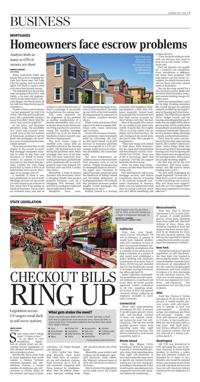
Demonstrators in support of Palestine march May 1, 2024, through the Vanderbilt University campus in Nashville, Tenn.
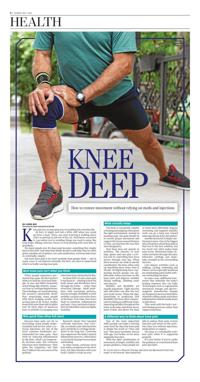
Kirk
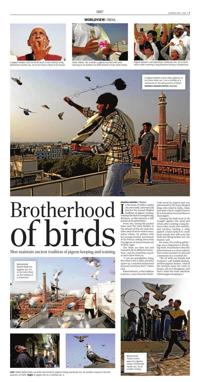
Bulso
TENNESSEE
A Tennessee bill that invokes Char-lie Kirk in what lawmakers say is an effort to protect free speech on campuses will add certain restrictions to campus protests.
The Charlie Kirk Act, heralded as a victorious homage to the conservative activist who was assassinated last year on a Utah college campus, was passed April 16 and awaits Gov. Bill Lee's signature.
It is a heavily cut version of the original bill, which was met with pushback for its heavy restrictions on student expressive activity and emphasized protections for certain political and religious groups.
Here's what it would do:
Invited speakers
If a student organization or faculty member invites a speaker, and there are threatened protests or opposition because of the speaker's viewpoints, the bill prohibits the university from disinviting the speaker in response. It also prohibits the school from denying student organizations or faculty members the right to invite speakers based on the speaker's viewpoints.
Michael Hurley, counsel for legislative affairs with the Foundation for Individual Rights and Expression, said the provision needed to protect both speakers and protesters.
"It's important that the speaker be able to share their message, that the audience be able to receive that message, but also, that people who are opposed to that message are able to express their disapproval or disagreement with that," he said.
Retaliation banned
The bill also would ban universities and faculty members from retaliating against members of a school's faculty based on their viewpoints "expressed in the faculty member's scholarly work, or on account of any speech or writing protected by the First Amendment."
The bill's author, Republican state Rep. Gino Bulso, on social media called for the firing of several professors for their speech after Kirk's killing in September. When asked if these actions contradicted the bill he wrote, he said he didn't remember making such remarks and blamed a staffer for the posts.
Professors and faculty members across the state filed lawsuits after they were fired for their speech seen as negative toward Kirk. It's unclear how this bill would affect their cases.
Emphasized protections
The first version of Bulso's bill faced pushback for its emphasized protections for students or student groups with "sincerely held religious beliefs" and "opposition to abortion, homosexuality, or transgender behavior."
The new version, while it still notes these groups, updates the language to emphasize protections for students and student groups that have "position(s) concerning" abortion, homosexuality or transgender behavior, rather than just opposing.
"Now that language protects people who are opposed to, but it also protects people who want to advocate for, abortion rights, LGBTQ rights, etc.," Hurley said. "It covers both sides."
Protest of speakers
The bill also amends the state's 2017 Campus Free Speech Act by banning students from "substantially" obstructing or interfering with invited speakers.
The bill defines the obstruction as students who:
■ Make noises with the intent to drown out the speaker.
■ Stand between the speaker and the audience to block the view.
■ Use signs or objects to block the view of the audience.
■ Stage walk-outs that cause "substantial disruption" with the intent to disrupt.
■ Physically block a speaker or audience member from attending an event.
The first version of Bulso's bill had a much broader definition of what it meant to "substantially" obstruct a speaker. Hurley said FIRE worked with Bulso to update it, noting the original language "was so broad it could have captured a lot of protected activity in its own right."
Doctrines
Aside from the restrictions and definitions regarding expression, the first two major components of Bulso's bill require schools to adopt portions of two renowned free speech doctrines: the Chicago Statement and the Kalven Report.
The two doctrines, widely adhered to by universities across the U.S., articulate universities' adherence to institutional neutrality and dedication to upholding free speech principles.
Items removed
The passed version of the bill removes the first version's many references to new legal pathways to sue or otherwise punish students or faculty for infringement on speech.
The original version of the bill contained many provisions to allow students and faculty to sue each other for infringement of speech, as well as any resident of the state to sue a student or faculty member of a university. The passed version contains no references to these provisions.
Also removed from the bill are requirements that students be suspended or expelled for violating the policies about disruption.