
HOSPITAL BECOMES HOME
Teen spent much of three years at facility after gunshot wounds
ST. LOUIS — Jaloni just wanted to survive.
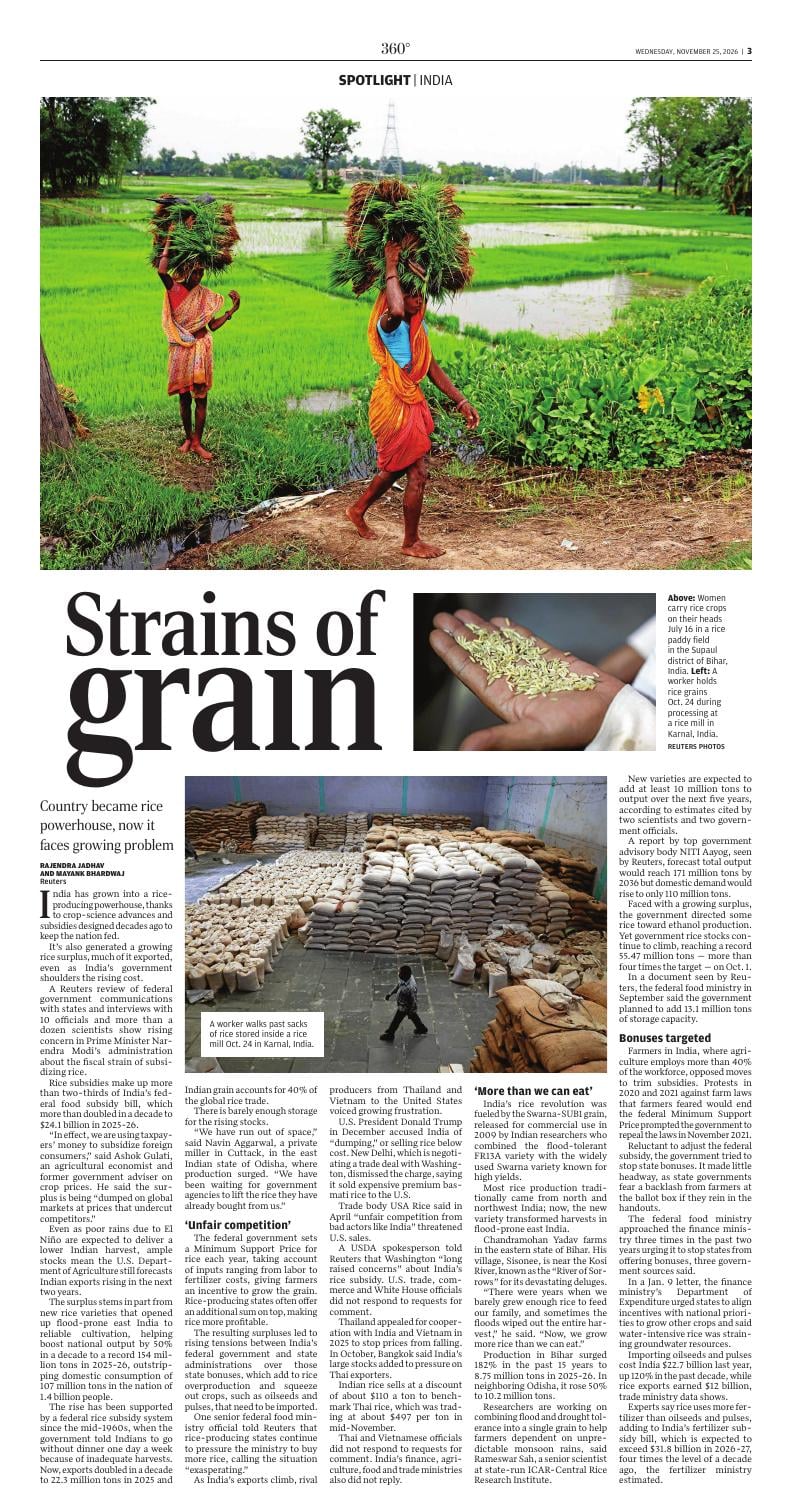
His first stint at SSM Health Cardinal Glennon Children's Hospital started in Room 3005 in June 2023, after bullets pierced the 14-year-old's right arm and right side of his chest, cutting through his torso.
He stayed in the hospital for more than 475 days over the next three years, his medical records show — some of it because he had no safe place to go.
He asked KFF Health News to use only nicknames or first names to protect his family's safety.
Thousands of children in the United States experience what is called a social stay. The practice, also known as hospital boarding, in which children remain in hospitals "beyond medical necessity," has become a costly issue.
A shortage of suitable foster care homes can mean children with mental health issues, chronic physical conditions or disabilities that require special accommodations get stuck in hospitals. One study from Minnesota found boarding a child with a complex medical condition in a hospital cost about $3,932 a day in 2017.
It's not clear how much of Jaloni's hospitalization was beyond what was medically necessary or how much those extra days in the hospital cost. The hospital system declined to comment on the details of Jaloni's stay.
SSM Health spokesperson Liz Sharpe-Taylor said the health system is committed to its "mission of serving those who are in need" and when "patients remain hospitalized due to an absence of discharge options, hospitals like ours often bear a burden of extensive uncompensated costs."
In the past five years, state records show, Missouri spent more than $64.7 million boarding children in state custody in hospitals because they had nowhere else to go. But Missouri Hospital Association spokesperson Dave Dillon said that's a substantial undercount of the problem and hospitals often don't always have staff to log and request reimbursement for housing children.
Those numbers also don't account for the toll that living in this limbo takes on the kids.
Almost killed
Jaloni already knew a lot about death. An older sister died after getting shot, as did his 17-year-old brother. He'd also lost a few cousins to gun violence in and around St. Louis.
He didn't want his name added to that list, but he came close in a gunfight one summer evening. A 22-year-old died. A 16-year-old was charged.
Around his friends, Jaloni had been a fearless risk-taker who knew how to steal without getting caught. "I felt like I was Superman with my gun," he said. "But when you get older, you realize that it's just stupid."
After three weeks in the hospital, he was discharged to a rehabilitation facility, then sent home.
His mother and grandmother struggled with caring for Jaloni, who now needed a wheelchair.
His grandmother, his legal guardian since he was little, was a double amputee and in a wheelchair herself. His mother juggled his care and her job as a paid caregiver for another family. Changing Jaloni's bandages, cooking, cleaning and turning him every four hours to prevent bedsores was too much for anyone to handle, his mother said she repeatedly told hospital officials.
Jaloni was in bad shape with what seemed like an infection on the November day they called 911 for help. He had bedsores and felt sick and weak.
He ended up back at the hospital less than five months after he was released. "They were like, 'Well, y'all almost killed him,'" his mom recalled officials telling her.
This time, he stayed for 250 days.
Searching for home
In the fiscal year that ended in June 2025, the Illinois Department of Children and Family Services logged 304 young people staying in psychiatric hospitals beyond medical necessity, according to an annual state report, while 312 spent more than 24 hours in hospital emergency departments awaiting a safe place to go.
In Missouri, 648 youths in the state's custody were boarded in hospitals during the fiscal year that ended in June, according to data obtained by KFF Health News through a public records request.
Missouri lawmakers introduced bills to try to end the practice, without success.
In 2024, while Jaloni was hospitalized, his grandmother died.
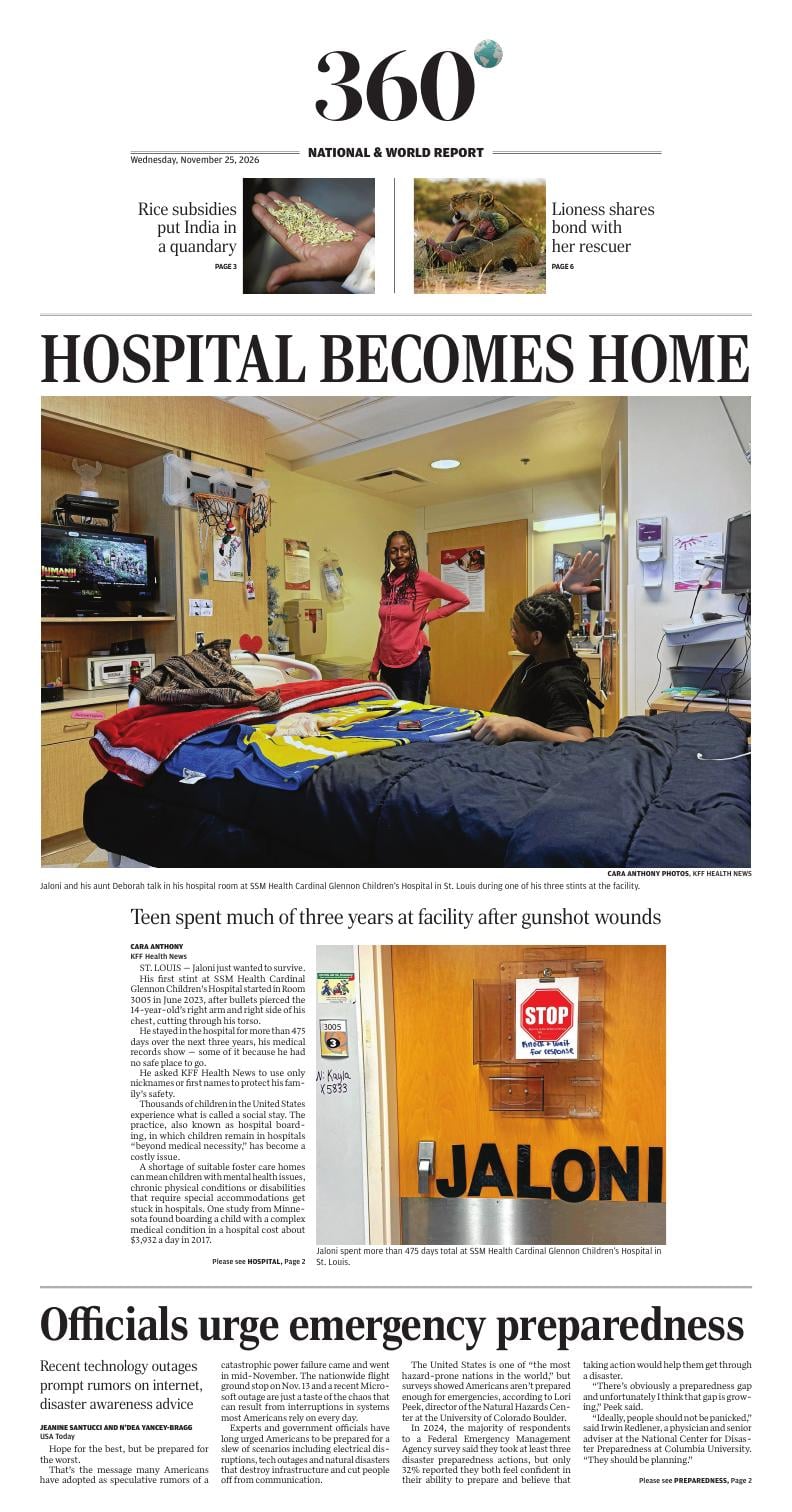
His aunt Deborah, with whom Jaloni lived during his first year of life, agreed to be his foster parent. She had to move into a first-floor, one-bedroom apartment with a ramp for his wheelchair. He needed a specialized hospital bed.
Members of his hospital care team gave him presents, braided his hair and tried their best to connect with the teen.
"If you're in the hospital for a whole year just doing nothing, it's going to be the worst year of your life," he said. "I was mad I was in there for so long."
'My kingdom'
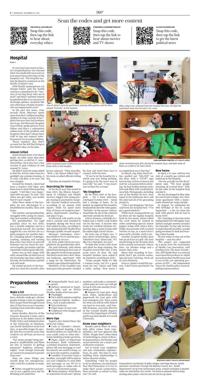
By his third stint at the hospital — for a bone infection, starting in October 2025 — Jaloni had a change of heart. As he healed, he explored the hospital. He played his favorite video game, "Fortnite," at the nurses' station. Sometimes he ate in the cafeteria and went outside for fresh air.
A bevy of nurses, a friendly custodian and a chatty cook looked out for the teen. A teacher who works for Cardinal Glennon visited five days a week to help with his online high school classes.
He took care of them, too. "I hear about relationships, dates, Valentine's Day," Jaloni said. "It's like I'm a therapist, for real."
To help him avoid cabin fever and allow for deep cleaning, the hospital moved him into a new room every 30 days. He said hospital workers once asked if he wanted to avoid Room 3005.
"Some people think it's like a trauma room, but it's a good room for me," Jaloni said with a smile, noting "how much I accomplished since that day."
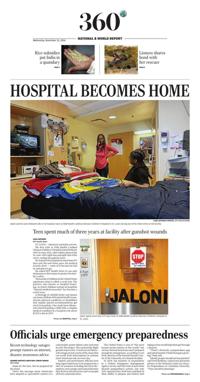
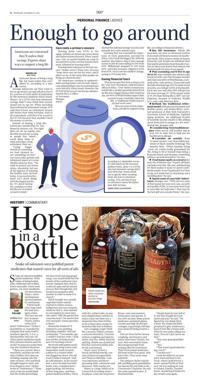
In March, big shiny black letters spelled out "JALONI" on the door, with a "STOP" sign instructing visitors to knock and wait for a response before entering. He had stuffed animals and a fish tank filled with small plastic neon fish. Photographs, including one of the brother he lost, were taped to his bathroom door and the sink had all of his grooming products.
"This is my kingdom," the teen said from his hospital bed. "I've got a good mindset."
While most young patients on his floor ate the regular hospital food on the menu, Jaloni called the cook when he wanted to order something special: lemon pepper wings with cheese fries, Philly cheesesteaks with crushed Doritos on top, or a meat lover's pizza with a tortilla-shell crust.
Another hospital worker gave him an air fryer as a gift. His aunt would bring in his favorite meal from a nearby restaurant: cheese fries, six chicken wings and a lemon-lime soda.
Many kids boarding in hospitals don't get private rooms, special food, tutoring, fresh air or such attention.
Even so, Jaloni's world felt narrow. "I don't have any friends," he said.
New home
In April, a 15-year-old boy was shot at a nearby gas station and ended up in the hospital.
"He was actually on this floor," Jaloni said. "We hear people shooting all around here." Still, he felt safer in the hospital than outside it.
He was discharged in May after his aunt found a larger, two-bedroom apartment with a homemade wheelchair ramp outside.
In August, he celebrated his 18th birthday at the St. Louis Aquarium — a far cry from the tank with plastic fish he had in Room 3005.
He's learning to become more independent but still largely stays indoors and gets anxiety around a lot of people. To stay safe, he tries to make himself invisible, usually going out when it's dark and wearing a black hoodie.
He just wants to stay out of the hospital — and stay alive.
This project was supported by a grant from the Association of Health Care Journalists, with funding from The Joyce Foundation. KFF Health News is a national newsroom that produces in-depth journalism about health issues and is one of the core operating programs of KFF — the independent source for health policy research, polling and journalism.