

GETTING DOWN & DIRTY
10 everyday items you didn't know you could compost

Home gardeners don't need to limit their compost piles to grass clippings, vegetable peels, eggshells and other kitchen scraps. Most organic materials can be com-posted in an indoor or outdoor compost bin as long as those composting ingredients are kept moist, aerated and given enough time to break down.
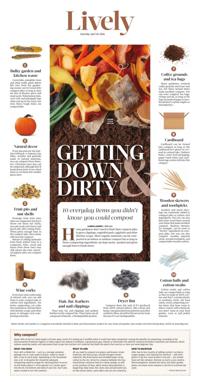
1 Bulky garden and kitchen waste
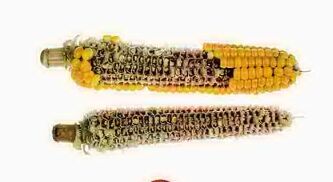
Cornstalks, pumpkin vines and other bulky plant debris left over from the gardening season can be tossed into compost piles as long as they are free of disease, pests and weed seeds. Watermelon rinds, corn cobs and pineapple tops often end up in the trash, but even these tough items are compostable.
2 Natural decor
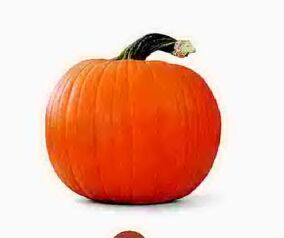
If you decorate for the holidays with jack-o-lanterns, hay bales, wreaths and garlands made of natural materials, you can compost those items, too. Christmas trees also can be composted, although they'll break down faster if you shred them or cut them into smaller pieces first.
3 Fruit pits and nut shells
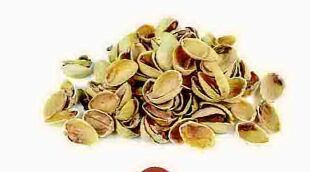
Prunings from fruit trees often are composted, but don't throw out those nut shells, avocado seeds and cherry and peach pits after eating them. When given enough time in the compost pile, these items will turn into compost.
Beware of adding materials from black walnut trees to a composter. Nuts, wood and leaves from these trees may still release the toxic chemical juglone after you compost them.
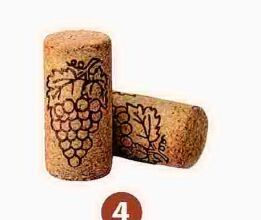
4 Wine corks
If you have wine corks made of natural cork, you can add them to your compost pile as carbon-rich ingredients. For faster composting, cut corks into small pieces and mix them with kitchen scraps and other green or nitrogen-rich composting materials.
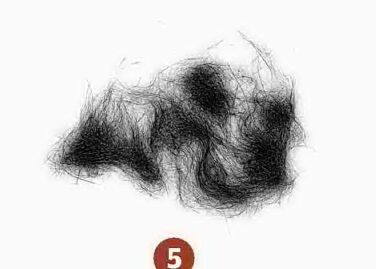
5 Hair, fur, feathers and nail clippings
Place hair, fur, nail clippings and undyed feathers in the compost bin. These items are all composed of keratin, a biodegradable protein.
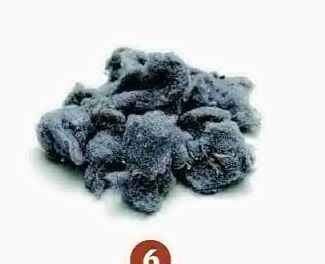
6 Dryer lint
Compost dryer lint only if it's produced from 100% natural fabrics, like cotton and hemp. Lint generated from polyester and other synthetic fibers should be thrown in the trash because it's not biodegradable.
7 Coffee grounds and tea bags
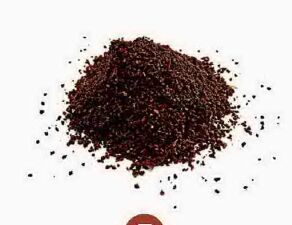
Many gardeners overlook coffee grounds and loose-leaf tea, but these natural items make excellent compost. You can even compost tea bags, strings and all, as long as the bags are made of paper or muslin and don't contain staples or microplastics.
8 Cardboard
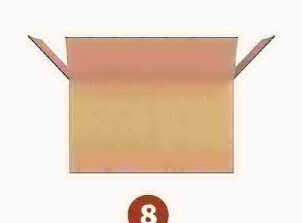
Cardboard can be turned into compost as long as the cardboard isn't glossy or covered in colored inks. Delivery boxes, some food packaging, paper towel tubes and cardboard egg cartons fall into this category.
9 Wooden skewers and toothpicks
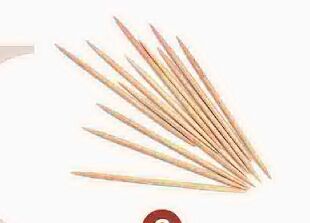
Sawdust and wood shavings are commonly added to compost piles as carbon-rich ingredients, but you can also find other wood items around your home that make excellent compost. Bamboo skewers, for example, can be used as "brown" ingredients in compost piles, but you can also compost wooden popsicle sticks, wooden toothpicks, and compostable wooden cutlery.
10 Cotton balls and cotton swabs
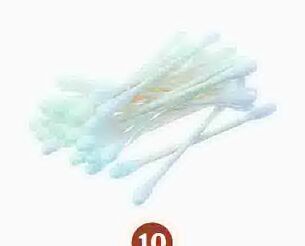
Cotton swabs and cotton balls are compostable as long as they're made of 100% cotton and don't contain plastic or synthetic sticks. For food safety, avoid composting cotton items that have come in direct contact with chemicals you don't want in your food garden, such as nail polish remover.
Better Homes and Gardens is a magazine and website devoted to ideas and improvement projects for your home and garden, plus recipes and entertaining ideas. Online at www.bhg.com.
Why compost?
About 30% of the U.S. food supply is thrown away, much of it ending up in landfills when it could have been composted. Among the benefits of composting, according to the Environmental Protection Agency: It helps reduce the release of methane, a greenhouse gas; reduces or eliminates the need for chemical fertilizers; maintains soil moisture, which reduces watering needs; and repurposes food scraps into nutrient-rich material that feeds the plants that nourish us. Here are some beginner tips.
WHAT YOU NEED
Start with a lidded bin — such as a storage container, garbage can or crate made of plastic, metal or wood — with a tray to catch leaks. Depending on the household size, a 10to 18-gallon bin should be adequate.Composting requires oxygen for decomposition to occur, so drill holes (about ¼ inch) spaced 1 to 2 inches apart into the lid, the bottom and sides of your bin. You'll also need a trowel to turn the contents.
WHAT TO ADD
All you need to compost are greens and browns. Green materials, like food scraps, provide nitrogen; brown materials, like dried leaves and shredded paper, bring carbon to the mix. Strive for a balance between the two, maintaining a moisture level of a damp sponge, as well as the presence of heat, which means decomposition is happening. Keep meat, fish, dairy, fats and pet waste out, as they attract pests, cause odors and can carry bacteria.
HOW TO MAINTAIN
After two to four months of adding content, turning to supply oxygen, and checking for moisture — add more greens if too dry, more browns if too wet — you should have soil-like compost. Remove as much as you need to feed houseplants, window box herbs and other garden plants, but leave some compost in the bin to continue the cycle.
— Tribune News Service