

To dye for
Add color to your Easter eggs using natural ingredients
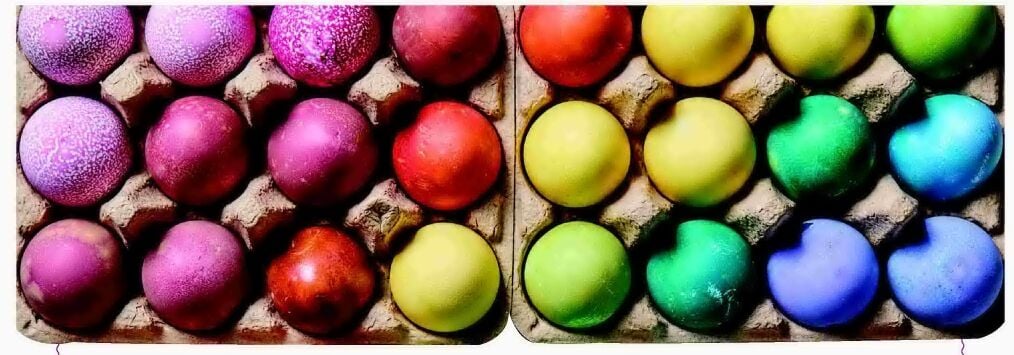

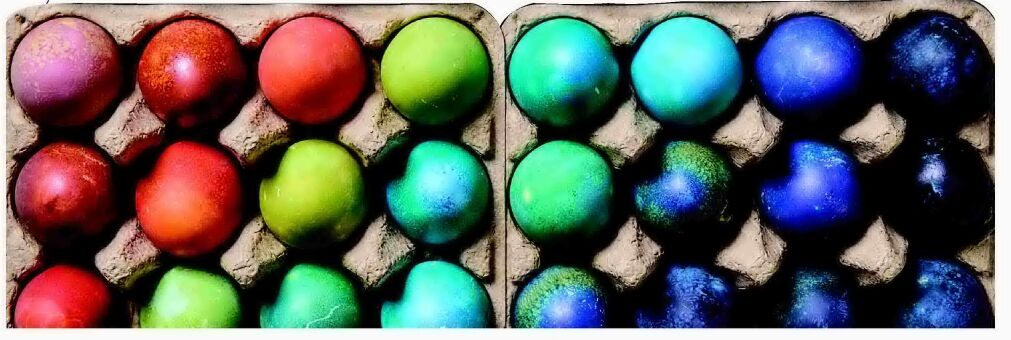
When it comes to decorating Easter eggs, there are plenty of pretty amazing, craft-tastic Easter egg ideas online, making it entirely possible to devote days to creating museum-quality masterpieces.
But I prefer a more rustic approach, and luckily, it's actually pretty easy to make your own natural Easter egg dye using just a few things you likely already have at home. Plus, this means they're totally edible afterward.
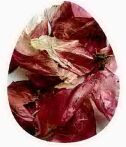
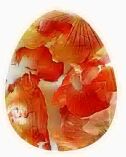
A long time ago, I wrote about dyeing eggs with onion skins, which gives the eggs a pretty spectacular result, especially if you rub them with oil afterward to add shine. Then, I decided to take coloring eggs with vegetable scraps a step further and created a larger palette.
Here's everything you need to know about how to dye eggs with beets, cabbage, turmeric, onion skins and more.
Naturally dyed Easter eggs
The Kitchn editors tested this method several times and found that the number of dips in the dye is even more important than the duration of time spent in the dye. The more stints in the dye, the deeper the color will be. Here are 7 dye options (measurements are per 2 cups of water). Yields 6 eggs
2 cups shredded red beets
For pink on white eggs, maroon on brown eggs
2 cups red onion skins
For lavender on white eggs, red on brown eggs
2 cups yellow onion skins
For orange on white eggs, rusty red on brown eggs
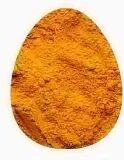
¼ cup ground turmeric
For yellow eggs
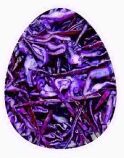
2 cups chopped purple cabbage
For blue on white eggs, green on brown eggs
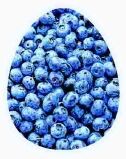
2 cups blueberries
For blue eggs
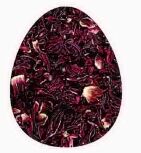
2 cups dried hibiscus flowers
For indigo or lavender eggs
For the eggs
■ 6 unpeeled, hard-boiled white or brown eggs (at room temperature, not fresh)
■ 2 cups water
■ Distilled white vinegar
■ Neutral oil, such as vegetable or grapeseed
Equipment
■ Saucepan with lid
■ Fine-mesh strainer
■ A second saucepan or bowl
■ Baking dish or other container
■ Paper towels
Directions
Place 2 cups water and dye option of choice (purple cabbage, onion skins, etc.) in a small saucepan and bring to a boil over medium-high heat.
Reduce the heat to low. Cover and simmer until the color is a few shades darker than you want for your egg, 15 to 30 minutes. Drip a little dye onto a white dish to check the color.
Remove the pan from the heat. Let cool to room temperature. Pour through a fine-mesh strainer set over another saucepan or bowl. Press on the solids in the strainer to extract as much liquid as possible. Discard the contents of the strainer.
Measure the amount of strained liquid. Add 1 tablespoon distilled white vinegar per 1 cup strained liquid and stir to combine.
Place room-temperature, hard-boiled eggs in a medium bowl or quart container (like a yogurt container). Carefully pour the cooled dye over the eggs and make sure they are completely submerged.
Refrigerate until chilled and the desired color is reached, a few hours or up to overnight. Remove the eggs from the dye and dry with paper towels. If you want your eggs to be more vibrant and less pastel, give the eggs multiple soaks in the dye, being sure to dry them between stints in the dye.
When the eggs are dyed to the desired color, dry each one thoroughly with a paper towel. Gently rub a little neutral oil into each egg. Polish with a paper towel. Refrigerate until ready to use.
ADDITIONAL TIPS
■ Play around with different ingredients to find new colors, or soak in different dye baths for a layering effect.
■ Beware that the actual shade of the final eggs may change when exposed to the air and dried.
■ Keep in mind the effect of the dyes varies depending on how concentrated the dye is, what color egg you use and how long and how many times the eggs are immersed in the dye. When creating your dye, err on the side of more material rather than less.
Sara Kate Gillingham is the founding editor of TheKitchn.com, a nationally known blog for people who love food and home cooking. Submit any comments or questions to editorial@thekitchn.com