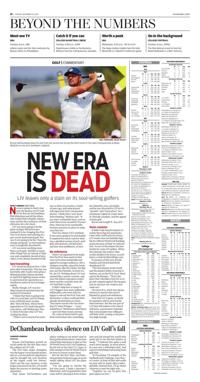

DeChambeau breaks silence on LIV Golf 's fall
Bryson DeChambeau posted on social media for the first time since the collapse of LIV Golf.
The two-time major champion was the league's most popular player, and on a recent podcast appearance said he thought the new iteration of the league could last forever. That's not the case, however, as the league announced on Nov. 5 it would begin the process of shutting down operations.
That leaves DeChambeau and others waiting to see what's next in their professional careers. Some have stated their intentions to play on the DP World Tour in 2027. DeChambeau, for his win at the 2024 U.S. Open, is fully exempt on the DP World Tour if he were to choose to play there.
But for the first time, DeChambeau posted a long message on social media talking about LIV, his plans and more.
"I'm not going to rewrite the last four years. I made a decision I believed in, and I'm grateful for what came with it: playing in front of fans new and old around the world who rarely got to see the best players at home. "I believed this game could reach more people, in more places, in a new way. I still believe that. And I gave it everything I had to keep team golf alive. ...
"In December, I'll compete at the Nedbank Golf Challenge, Gary Player's event, in front of fans who made my first visit to South Africa unforgettable. Beyond that, I'll go about whatever is next the right way. ...
"Together we can all grow this great game we love."
NEW ERA IS DEAD
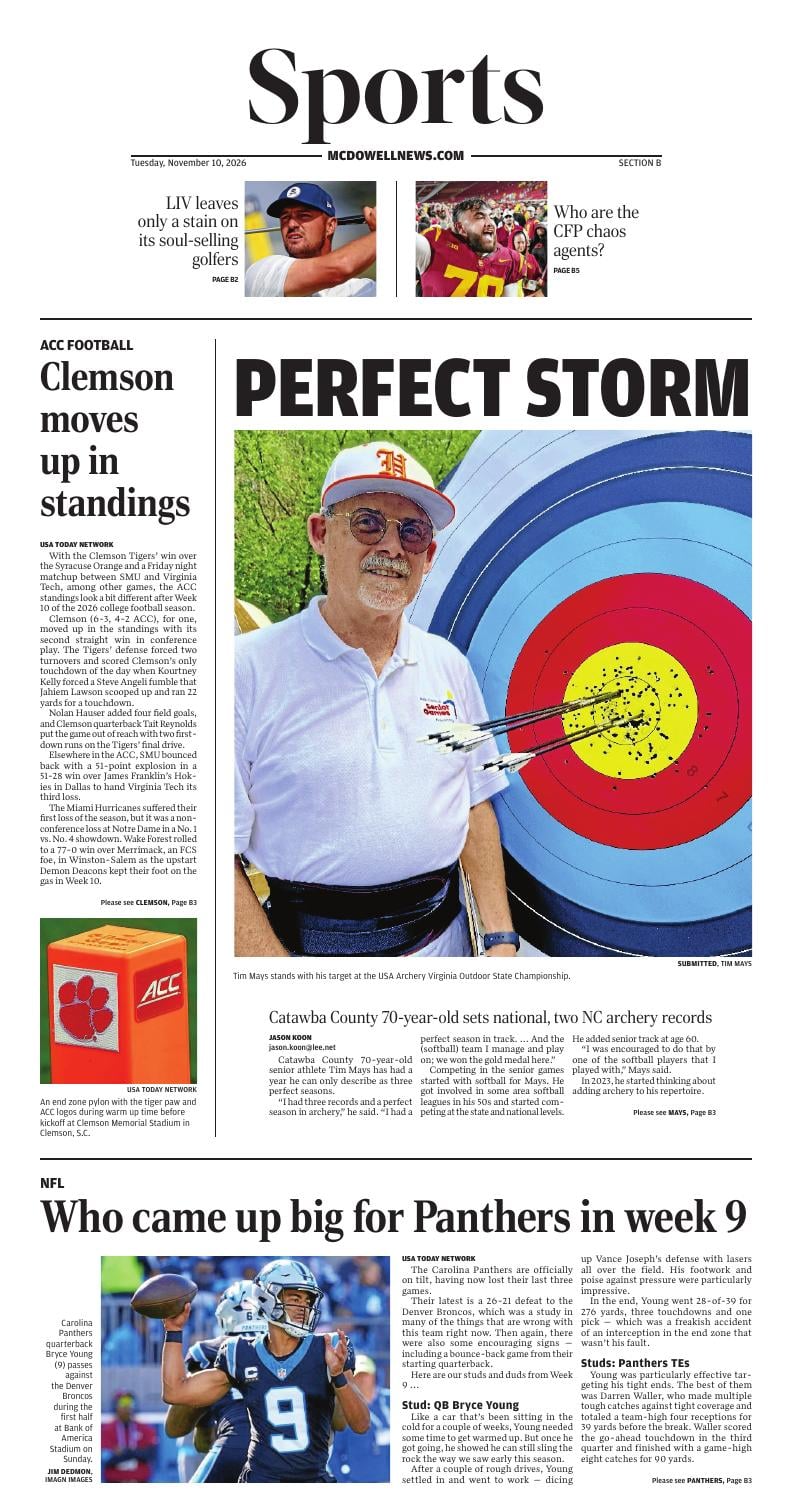
LIV leaves only a stain on its soul-selling golfers

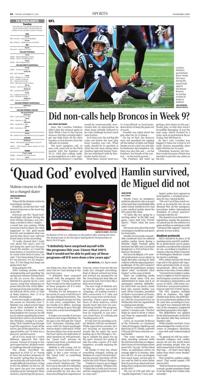
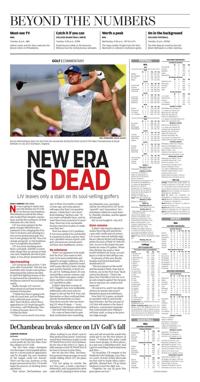
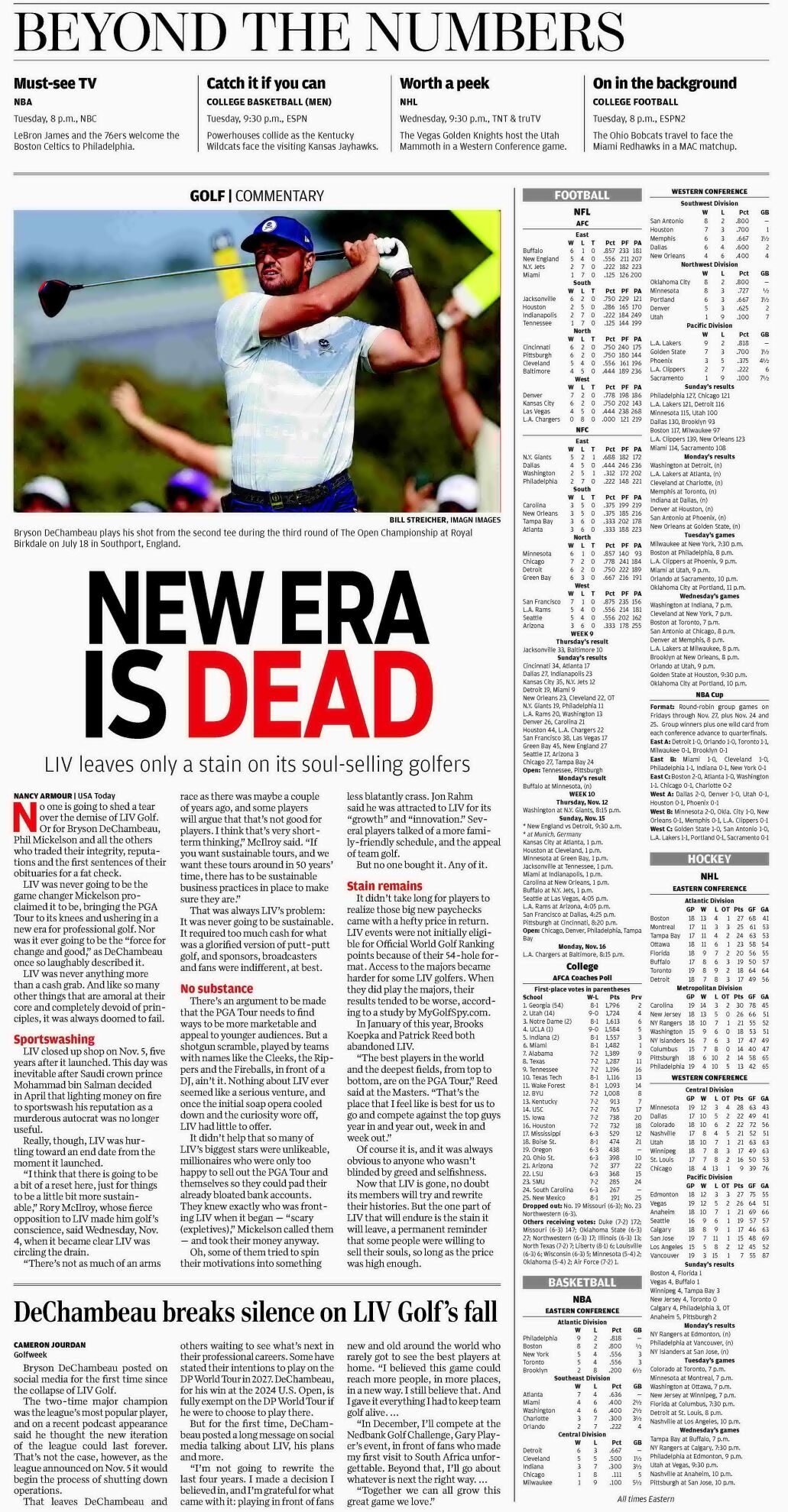
Bryson DeChambeau plays his shot from the second tee during the third round of The Open Championship at Royal Birkdale on July 18 in Southport, England.
GOLF | COMMENTARY
No one is going to shed a tear over the demise of LIV Golf. Or for Bryson DeChambeau, Phil Mickelson and all the others who traded their integrity, reputations and the first sentences of their obituaries for a fat check.
LIV was never going to be the game changer Mickelson proclaimed it to be, bringing the PGA Tour to its knees and ushering in a new era for professional golf. Nor was it ever going to be the "force for change and good," as DeChambeau once so laughably described it.
LIV was never anything more than a cash grab. And like so many other things that are amoral at their core and completely devoid of principles, it was always doomed to fail.
Sportswashing
LIV closed up shop on Nov. 5, five years after it launched. This day was inevitable after Saudi crown prince Mohammad bin Salman decided in April that lighting money on fire to sportswash his reputation as a murderous autocrat was no longer useful.
Really, though, LIV was hurtling toward an end date from the moment it launched.
"I think that there is going to be a bit of a reset here, just for things to be a little bit more sustainable," Rory McIlroy, whose fierce opposition to LIV made him golf's conscience, said Wednesday, Nov. 4, when it became clear LIV was circling the drain.
"There's not as much of an arms race as there was maybe a couple of years ago, and some players will argue that that's not good for players. I think that's very shortterm thinking," McIlroy said. "If you want sustainable tours, and we want these tours around in 50 years' time, there has to be sustainable business practices in place to make sure they are."
That was always LIV's problem: It was never going to be sustainable. It required too much cash for what was a glorified version of putt-putt golf, and sponsors, broadcasters and fans were indifferent, at best.
No substance
There's an argument to be made that the PGA Tour needs to find ways to be more marketable and appeal to younger audiences. But a shotgun scramble, played by teams with names like the Cleeks, the Rippers and the Fireballs, in front of a DJ, ain't it. Nothing about LIV ever seemed like a serious venture, and once the initial soap opera cooled down and the curiosity wore off, LIV had little to offer.
It didn't help that so many of LIV's biggest stars were unlikeable, millionaires who were only too happy to sell out the PGA Tour and themselves so they could pad their already bloated bank accounts. They knew exactly who was fronting LIV when it began — "scary (expletives)," Mickelson called them — and took their money anyway.
Oh, some of them tried to spin their motivations into something less blatantly crass. Jon Rahm said he was attracted to LIV for its "growth" and "innovation." Several players talked of a more family-friendly schedule, and the appeal of team golf.
But no one bought it. Any of it.
Stain remains
It didn't take long for players to realize those big new paychecks came with a hefty price in return. LIV events were not initially eligible for Official World Golf Ranking points because of their 54-hole format. Access to the majors became harder for some LIV golfers. When they did play the majors, their results tended to be worse, according to a study by MyGolfSpy.com.
In January of this year, Brooks Koepka and Patrick Reed both abandoned LIV.
"The best players in the world and the deepest fields, from top to bottom, are on the PGA Tour," Reed said at the Masters. "That's the place that I feel like is best for us to go and compete against the top guys year in and year out, week in and week out."
Of course it is, and it was always obvious to anyone who wasn't blinded by greed and selfishness.
Now that LIV is gone, no doubt its members will try and rewrite their histories. But the one part of LIV that will endure is the stain it will leave, a permanent reminder that some people were willing to sell their souls, so long as the price was high enough.