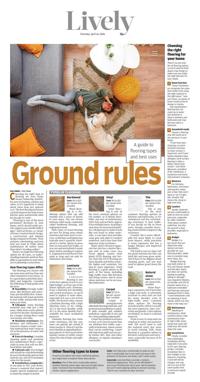

Ground rules
A guide to flooring types and best uses


Choosing the right type of flooring for your home means balancing durability, ease of cleaning, comfort and value, so it's important to think about more than just upfront cost. The best flooring for homes can both improve the look of your interior space and provide value for decades to come.
"Flooring is one of the most permanent decisions in your home, and it should really quietly support your real life while it ages," said Lori Evans, co-owner of Evans Construction & Design, a construction and interior design company in Florida. "Kids and pets, entertaining, and even how you want to think about maintenance all matter more than what's trending online."
There's no single best flooring option for all cases, so understanding materials and how they diff er is a good place to start when you're planning a renovation.
How flooring types differ
The flooring you choose will see more wear and tear than any other material in your house, so it's a good idea to prioritize durability and longevity. Consider the following to help guide your decision:
■ Durability: For high-traffic areas, like kitchens and entryways, put durability first. A durable material will stand up better to foot traffic and provide more value over time.
■ Lifespan: Some flooring materials may only last a few years, while more costly options can last for decades. Paying more for a longer-lasting floor could save money over time.
■ Moisture resistance: For kitchens and bathrooms, it's crucial to choose a water-resistant material that won't warp or rot in the presence of water and moisture.
■ Ease of cleaning: Consider cleaning needs and prioritize low-maintenance floors, especially in areas that will see dirt, food debris and spills.
■ Upfront cost: Your budget will usually be a big determining factor in the flooring options that work for you, but try to maximize value for the money.
■ Installation complexity: If you plan to DIY your floors, choose a material that doesn't require special equipment and is relatively simple to install.
TYPES OF FLOORING
Hardwood
Cost: $6 to $22 per square foot, installed
Wood flooring is a traditional option that can add warmth and a sense of luxury to your space. You can choose between solid wood, commonly called hardwood flooring, and engineered wood.
Both types of wood flooring are best for living areas where moisture and water aren't a concern, so kitchens and bathrooms typically aren't a good fit. Hardwood is a better option in areas that see excessive foot traffic, as you can sand and refinish it many times before needing to replace it. Engineered wood doesn't last quite as long and can only be refinished a few times.
Laminate
Cost: $4 to $10 per square foot, installed
Laminate flooring is one of the best options if you're on a tight budget, as it has one of the lowest upfront costs. However, it has a relatively low durability and scratch resistance, so you'll need to replace it more often, especially if it sees a lot of foot traffic. For the best value, choose a laminate flooring with a high Abrasion Class, or AC, rating. AC1 is the least durable, while AC3 is the most durable that's available for most residential purposes.
Laminate flooring has some water resistance, but the core layer can quickly get ruined if water reaches it. Since it's not the most durable or appealing flooring material, it's best reserved for laundry rooms or utility rooms where the risk of leaks and spills is low.
Vinyl
Cost: $4 to $12 per square foot, installed
Vinyl flooring is one of the most common options on the market, as it blends durability and ease of maintenance with style and aesthetic appeal. It has multiple layers, including a wear layer for increased durability, a design layer to make it look like real wood or other materials, a core layer that provides some give and adds to comfort underfoot, and a base layer that improves water resistance.
Sheet vinyl is the least expensive but also has a shorter lifespan and, in some cases, less visual appeal. Luxury vinyl plank (LVP) flooring and luxury vinyl tile (LVT) flooring are more durable and better resemble higher-end materials, but they're more expensive. Vinyl flooring is a great option in all parts of the home, including high-traffic areas like kitchens and living rooms, and in areas where moisture can be an issue, like bathrooms.
Carpet
Cost: $2.25 to $16 per square foot, installed
Carpet is among the most aff ordable flooring materials, and professional installation is quick. It adds warmth and comfort underfoot, especially if you opt for a thick padding underneath.
Carpet has minimal resistance to wear, so it's best in rooms that see minimal foot traffic, especially in bedrooms, where a warm floor can be comforting. Carpet will stain from spills and can easily harbor dirt, dust and other allergens, so regular cleaning is a necessity.
Tile</p>
Cost: $10 to $20 per square foot, installed
Tile is one of the most common flooring options in kitchens and bathrooms, as it's waterproof and has outstanding resistance to foot traffic. If you decide on tile in these areas, though, consider choosing a textured tile to improve slip resistance.
Ceramic tile is more aff ordable but more likely to crack from impact, while porcelain is more expensive but has a longer lifespan and improved durability.
Tile itself is easy to clean, but the grout between the tiles can hold dirt and even grow mold. You'll have to be diligent about cleaning grout, and you may need to replace grout down the road.
Natural stone
Cost: $15 to $32 per square foot, installed
Stone flooring is expensive, but it provides a high-end look, is extremely resistant to wear and can last for many decades, even in high-traffic areas.Common stone options for flooring include marble, which is usually the most expensive, slate, travertine and granite. Color options are limited, as stone is a natural material.
Stone is easy to clean and can stand up to water and moisture well, but you'll need to seal the material every few years to avoid staining. Still, stone flooring is a popular option in kitchens, bathrooms and entryways, especially because of its durability.
Choosing the right flooring for your home
There's no one-sizefits-all flooring option, so you'll need to think about a few things to make sure you make the right decision for your needs.
1 Room function
"Smart homeowners recognize the value that comes from using the right material in the right place," says Lori Evans, co-owner of Evans Construction & Design in Florida.
Low-maintenance flooring that can stand up to water and moisture is ideal in kitchens and bathrooms but may feel too cold in a bedroom.
2 Household needs
Choose a flooring that will stand up to the stressors in your home.
"If you have pets, choosing a scratchresistant and easy to-clean surface is important, and if your family members have allergies, hard-surface flooring is often a better choice than carpet," says Brian Meussner, president of Mr. Handyman, a handyman and home improvement company.
3 Moisture
For kitchens, bathrooms, entryways and laundry rooms, pick a floor that won't warp or rot if it gets wet. Usually, that means tile, stone or high-end vinyl.
4 Comfort
Harder materials are less comfortable to walk on and can cause joint pain, especially for older residents. Think about comfort underfoot, but also the warmth a floor provides, especially in bedrooms.
5 Budget
Budget is a key factor that can determine what options are even possible for your flooring project. Make sure to consider longterm value, too.
"Budget flooring may look similar at first, but thinner planks and low-wear layers can wear out quickly, leading to peeling, fading or damage," says Augustine Wadian, co-founder and CEO of Premier Home Pros, a bathroom remodeler and flooring contractor headquartered in Ohio. "I see homeowners end up replacing it much sooner, which can cost more in the long run."
6 Maintenance
Speaking of maintenance, think carefully about a low maintenance floor in high-traffic areas. Going that route will make your life easier down the road.
7 Installation
Finally, consider how challenging installation will be, especially if you plan to DIY your flooring project. Consider installation fees in your budget as you research; installing it yourself will be cheaper, but may not turn out at the same quality that a contractor would provide.
Other flooring types to know
If you're not sold on the more traditional options, you might want to explore these alternatives:
Bamboo: One of the more sustainable options, bamboo flooring resists wear well and provides better water resistance than hardwood flooring with a similar, natural appearance.
Cork: Cork flooring is comfortable to walk on and also is sustainable, but it can swell and warp in the presence of moisture and water, and it stains easily.
Concrete: Concrete floors provide a modern, industrial appearance. They can be aff ordable if you're just finishing the top of your slab foundation, but you'll need ongoing sealing to prevent staining. They're very resistant to wear and tear.