
OPPORTUNITY PAYS
Chris Kapp left a four-year university and turned to HVAC. Years later, he has job security, a supervisory role and a career he believes rewards hard work
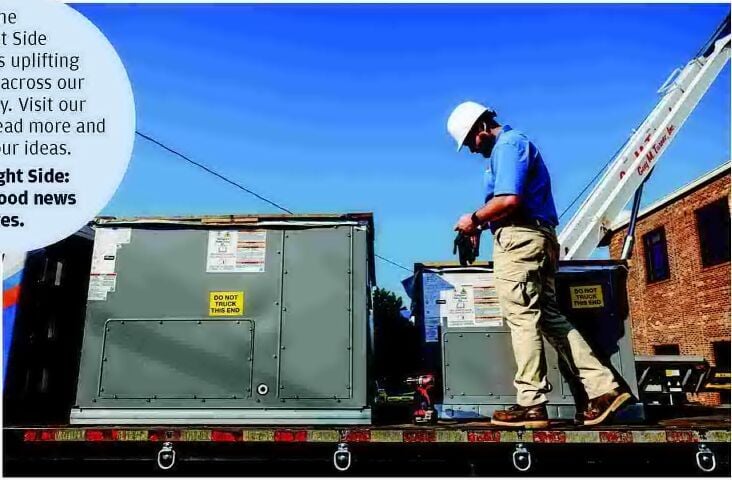
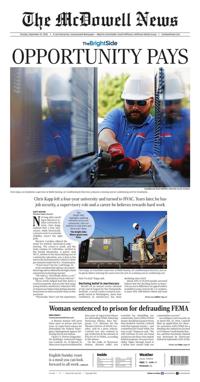
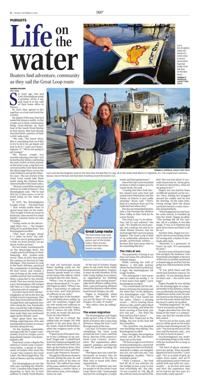
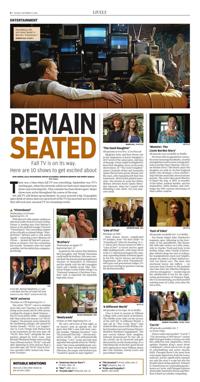
Chris Kapp, an installation supervisor at Webb Heating, Air Conditioning & Electrical, puts on his gloves before removing the covers from the coils on a heating and air conditioning unit.

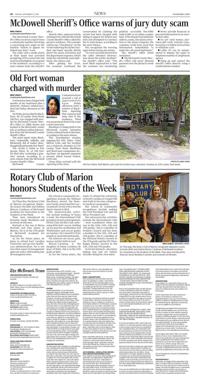
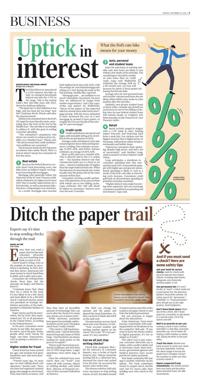
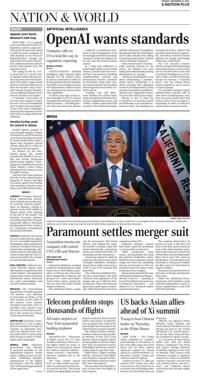
Chris Kapp, an installation supervisor at Webb Heating, Air Conditioning & Electrical, prepares a heating and air conditioning unit for installation.
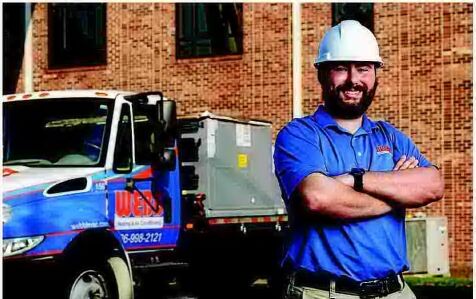
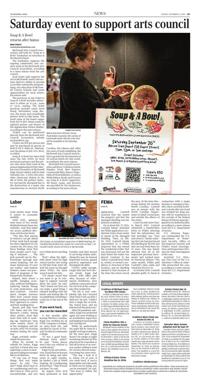
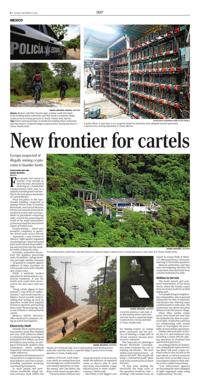
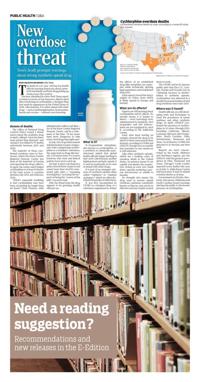
Chris Kapp, an installation supervisor at Webb Heating, Air Conditioning & Electrical, stands for a portrait on Sept. 1 at Linville Forest Church of Christ in Kernersville.
Not long after enrolling at Western Carolina University in 2018, Chris Kapp realized that a four-year school, while historically a proven route to economic stability, wasn't the right path.
Western Carolina offered the major he wanted, mechanical engineering. The school is small, and the main campus in Cullowhee, nestled in the Smoky Mountains, is pretty. And WCU, relative to the skyrocketing cost of a university education, was a deal as the university had lowered its tuition to $500 per semester under the N.C. Promise plan.
"It just wasn't for me," said Kapp, 26.
As he considered his options, he remembered sage advice offered by his high school automotive technology teacher.
"He told us, 'Everybody drives a car,'" Kapp said. "That kind of stuck with me."
Those words helped lead him down a road to prosperity and security that many young workers would envy, when just 38% of Americans believe that getting ahead is based more on what you know than on who you know.
"Personally, that's not the experience that I've had," Kapp said.
Declining belief in meritocracy
Results of an annual survey released at the end of August by the Frameworks Institute, a social science research nonprofit based in Washington, show that confidence in meritocracy has been declining since 2020.
About 62% of 28,000 people surveyed believe that the deciding factor in financial success is differences in opportunities available to some, but not all, U.S. workers. A mere 38% still believe talent and hard work matter more when it comes to economic mobility.
The Bright Side highlights uplifting moments across our community. Visit our website to read more and share your ideas. The Bright Side:
Where good news lives.
Until 2022, opinions were more or less evenly divided between those two outlooks. And that belief cut across political divisions and income levels.
"The idea that anyone in America can get ahead if they work hard enough has been ingrained in our country for 250 years, but these findings show that most people aren't buying it anymore. …. The pull-yourself-up-by-thebootstraps message may sound inspiring, but for many Americans, it's just not reality," said Andrew Volmert, senior vice president of programs at the Frameworks Institute.
Indeed, fears about a rapidly changing economy, artificial intelligence replacing human beings in some professions, and near-constant concern about cheaper overseas labor have caused many younger workers to rethink their approach to careers and their working lives.
Recent poll data from CBS News and the Pew Research Center, among other outlets, show that more than half of working-age Americans have some anxiety about AI in the workplace and job security, with 71% of young workers feeling the same way.
Kapp certainly understands the pressure.
When he started to rethink his future, Kapp said that a friend who was exploring a career in heating and cooling encouraged him to do likewise.
"It was one of those things that just made sense," he said. "You don't think about heat or air-conditioning until you don't have it. Then you're uncomfortable, and you can't think about anything else."
That's when the lightbulb about what his high school teacher was trying to tell him truly went off. And the more he thought about HVAC, the more sense it made for him.
"I'd always heard that you need to go to (college) to support yourself down the road," he said. "But I found out that you can make a good living. I enjoyed working with my hands and feeling like I'd accomplished something I could see at the end of the day."
If you work hard, you can be rewarded
A few months after leaving Western Carolina, Kapp was working for an HVAC company as a helper, an entry-level job, and enrolled in classes at Forsyth Technical Community College.
"It was a good foundational entry point," he said. "Some places won't hire you without (a certification)."
Kapp, by his own admission, found that he learned faster by doing and after seven or eight months, he landed a job at Webb Heating, Air Conditioning & Electrical. "They'll teach you here," he said.
By August 2019, he'd been promoted to lead installer and then moved to servicing broken units. Along the way, he learned important lessons, gained practical experience and developed job skills.
COVID, oddly enough, taught him that he'd chosen wisely. Kapp had friends with office jobs who, because of widespread shutdowns, were suddenly concerned about the survival of the companies they worked for.
"No job is ever completely safe, but I learned what kind of job security I did have," he said. "I didn't miss a single day of work. We stayed busy, and we followed all the protocols."
After the pandemic subsided, Kapp was promoted again. He's now working as an installation supervisor and helping to teach people just starting out.
While he understands the angst felt by some in a rapidly evolving workforce, for the most part, Kapp doesn't lie awake at night wondering whether he'll be phased out by a machine or laid off in favor of an overseas worker willing to work for a lot less than an American doing the same work.
"The way I look at it is, where I'm at now, if you work hard, if you're dependable and take pride in what you're doing, you can be rewarded," he said. "You have to follow the opportunity."