

MEDICAID DETAILS UNCLEAR
States, insurers await information needed to comply with new rules

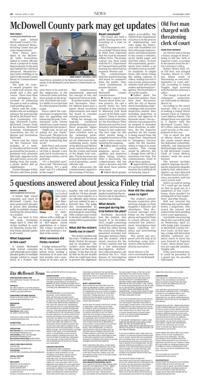
Centers for Medicare & Medicaid services administrator Mehmet Oz, left, speaks Feb. 25 about combating fraud as U.S. Vice president JD Vance listens at the Eisenhower executive Office Building in Washington.

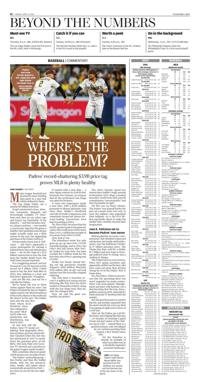
U.S. president Donald Trump signs sweeping spending and tax legislation July 4 at the White House in Washington.
HEALTH CARE
The Trump adminis-tration's new law that Americans must work or volunteer to qualify for Medicaid health care benefits, set to take effect next year, left states waiting for details on how to comply and with limited funding promised, according to six industry experts.
The $200 million set aside for states to implement the work requirements in President Donald Trump's 2025 tax cuts and spending law is expected to fall short of many states' needs, the experts said.
In addition, detailed guidance to states and insurers who manage Medicaid benefits about who is exempt and what volunteer work qualifies, is not expected until June.
Unlike Medicare for those ages 65 and older, which is fully funded by the federal government, costs of Medicaid for low-income Americans are shared between the states and the U.S. government.
With the law taking effect Jan. 1, some states may seek extensions and partially launch their systems, industry and policy experts said.
Matt Salo, CEO of health consultancy Salo Health Strategies, likened the rollout of the system to "a soft opening of a restaurant."
"You're not going to see people get kicked off immediately," said Salo, a former executive director of the National Association of Medicaid Directors.
About 68 million people are enrolled in Medicaid plans, and nearly half are at risk of losing coverage, according to health policy firm KFF.
The plans are managed by insurers such as UnitedHealth Group, CVS Health's Aetna, Elevance, Centene and Molina.
The launch may be messy for insurers, but the effect of the new policy on companies should even out over time, two investors and one analyst said.
A spokesperson for the U.S. Centers for Medicare and Medicaid Services said the government distributed funds and is working with states on implementation.
"CMS has provided significant support to states," they said, and "will continue to provide additional guidance through the interim final rule and ongoing engagement with states."
Half of the funding is divided evenly across the 50 states — about $2 million per state — while the other half will depend on how many state residents are subject to the work requirements, the spokesperson said.
States preparing
A spokesperson for Iowa's Department of Health and Human Services said the state started to work on implementation and expects its technology costs to exceed the federal funding it received. It is one of half a dozen states that filed implementation plans with the government.
In Utah, which also filed its plan, a state health department spokesperson said it expects the funding to be adequate but still is waiting on specific guidance from the government.
Georgia since 2023 has had its own work requirements applied to people receiving additional benefits through the Affordable Care Act's Medicaid expansion. The state is assessing whether the $5 million in funding it received is enough as it waits for the final federal rule's details on community engagement requirements, a spokesperson for the state Department of Community Health said.
The federal government's final rule is expected to define documentation and verification requirements, provide specifics on who qualifies for exemptions and outline reporting mechanisms, the six industry experts said.
The law generally says enrollees must regularly document and verify they work or volunteer 20 hours a week. People with disabilities, pregnant women and children will be exempt.
States can independently carry out verifications by connecting to external groups like employment data brokers or other state agencies that track employment status, but compiling volunteer hours may be a challenge.
There is little clarity on what role volunteer organizations play in verifying volunteer hours and little information on how states will automate that reporting, said Allie Gardner, policy expert at the Center for Budget and Policy Priorities, calling the situation "really concerning and problematic."
Insurers' role
Insurers, who want to keep costs and enrollment steady, likely will play a major role in managing communication with enrollees as they tend to have advanced infrastructure and direct contact with members, industry and policy experts said.
Aetna connects some Medicaid members with job opportunities and awaits state and federal government guidance, a spokesperson said. Aetna operates Medicaid plans in 15 states.
Gardner said without details from the federal government, insurers haven't been able to launch effective engagement programs.
Work that should be done by electronic systems would need to be done manually, which could increase errors and cause people to be disenrolled, she said. "There's not enough time built in."