
FLYING THE COOP
Hmong Americans revived Minnesota's roller pigeon scene
SPOTLIGHT| PURSUITS
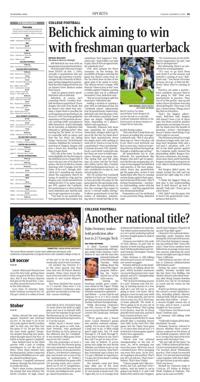
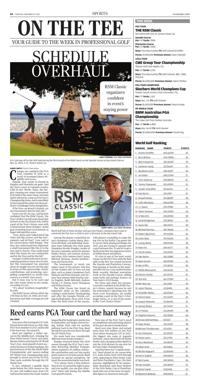
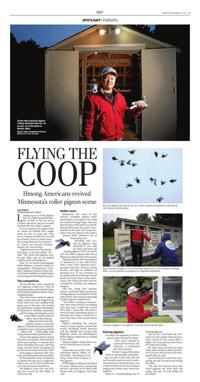
Looking up as 19 of his pigeons flew in a tight formation dozens of feet in the air on an October afternoon, Ma Lee recalled the first time he caught a pigeon.
It was a common city pigeon that he snuck up behind and caught when he was 12 years old. That was a common activity for Lee and his friends, most of whom were also young Hmong boys living in St. Paul's low-income housing project, Mt. Airy Homes.
"Pigeons were one of the things that kept us out of trouble," Lee said. "We stuck with pigeons once we got older and we all banded together and raised pigeons."
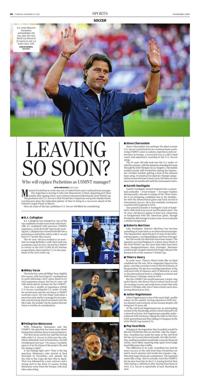
Now 47, he breeds Birmingham Roller Pigeons, a special variety, for competition. They perform "tumbles," falling several feet as they execute backward flips in midair before recovering and rejoining the group.
The competition
On this fall day, Lee is competing in a regional contest for a shot at winning another national title in the National Birmingham Roller Club's championships.
The three-time national pigeon roller champ owns the largest flock in the state. He's also credited with being one of the men who started the subculture of pigeon husbandry in Minnesota's Hmong community, said Tou Yang, who formerly served as the NBRC's public relations officer and is also Hmong.
Judges travel to each competitor's home to score the pigeons. Outside his home in Bethel, Lee kept his eyes on his group of birds — called a kit — while judge Ying Yang evaluated their performance.
At least five pigeons have to roll in the air to score points. The more that roll in sync during a 15-minute time frame, the higher the score, said Ying Yang, who has about 150 pigeons of his own at his home in Fresno, Calif.
If the pigeons perform well, they move on to the national tournament.
By the end of the week, Lee learned he landed the top spot at regionals with a score of 156 and would move on to the national competition.
His highest score ever was 870, and the record for the NBRC is 3,000, he said.
Hobby soars
Minnesota has some of the nation's youngest pigeon roller participants, according to Tou Yang (no relation to Ying Yang). That is in part because of the work Lee and his friends did to grow the sport's community in the state. Tou Yang estimates that two thirds of the state's paying NBRC members are of Hmong descent.
Breeding and caring for pigeons came naturally to Lee, said Jay Vang, who grew up chasing pigeons with Lee and is now the NBRC regional director of Minnesota and northern Wisconsin.
Hmong families, who immigrated to Minnesota in the mid-1970s, often came from agrarian backgrounds and were used to raising poultry and pigs in addition to growing rice. It was common to see pigeons bred on Hmong-owned farms and Twin Cities' urban landscape, but Vang said their parents considered catching city pigeons naughty.
The two, along with another friend, continued their passion by raising pigeons in adulthood. In the early 2000s, they started competing in roller pigeon competitions.
"The elders coming to America, they were more focused on making sure they had a stable job to feed their kids," Vang said. "Ma and us were that first-generation group of Hmongs that came to America, or were born here, that raised (roller) pigeons."
Pigeon tumbling has ancient roots in many regions around the world, including South America and the Middle East along with England, where the Birmingham Roller Pigeon originated, according to the NBRC.
Flying tumblers found their way to the United States in the late 1880s.
Today there are about 1,200 registered pigeon rollers in the NBRC, according to Tou Yang. Some raise as many as 500 pigeons.
While pigeon rolling has declined for years, Minnesota is among the nation's top hubs for it along with Fresno and Los Angeles, Tou Yang said.
Raising pigeons
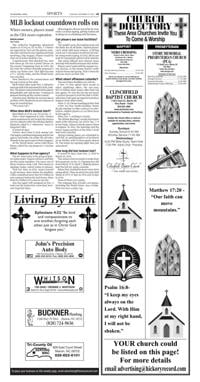
Lee keeps his pigeons in about a dozen coops outside his home.
They aren't trained to somersault in the air; the behavior is hardwired into their genetics.
The key to a good kit comes down to personality and breeding, Lee said. A bird who rolls too much could create too much confusion and chaos among its peers. Lee studies his birds every day, trying to understand which ones work best together.
There is a heartbreaking side to keeping pigeons.
Out of Lee's 250 birds, he estimates he loses about 100 each year. Most return to the coops after a flight, but some get lost and others are hunted by hawks.
For that reason, he doesn't name them. Still, he knows them. His oldest is 15 years old and one of his best, genetically, he said.
Lee's joy doesn't come from competing, he said. It comes from raising the birds.
"My dad just passed away and these pigeons are what kept me going," he said. "It took things off my mind."