
North Carolina sets first elk hunt for 2027. Here's when it will be and who can participate
ASHEVILLE — For the first time since elk were reintroduced to the Great Smoky Mountains 25 years ago, North Carolina will issue two hunting permits under a new state law creating a tightly controlled hunt in 2027, managed by the North Carolina Wildlife Resources Commission.
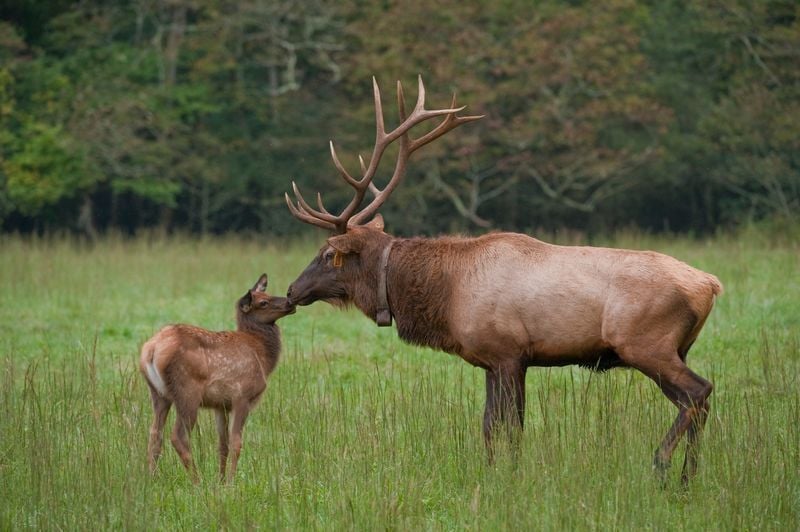
A bull elk nuzzles a young calf.
Gov. Josh Stein signed House Bill 747 into law on July 7. The broader wildlife bill, which had bipartisan sponsorship, requires the commission to award one elk permit through a raffle limited to North Carolina residents and another permit through an auction. Both permits will be nontransferable and cannot be resold or reassigned. Any elk killed must be reported and presented to the Wildlife Resources Commission.
Raffle tickets will cost $20 each, with hunters able to purchase as many as 30 tickets. Participants must have a valid North Carolina hunting license or qualify for a license exemption when purchasing tickets. The season, established in 2016, runs from Oct. 1 to Nov. 1.
The commission can retain up to $25,000 in raffle administration costs, with the remainder deposited into the state Wildlife Resources Fund.
The auction will be conducted by a nonprofit wildlife conservation organization that participated in the reintroduction of elk to North Carolina and may retain no more than 25% of the auction proceeds. Anna Gurley, spokesperson for the NCWRC, told the Citizen Times on July 16 that eligible organizations that may be chosen by the commission include the Montana-based Rocky Mountain Elk Foundation, the North Carolina Wildlife Federation and Friends of the Smokies.
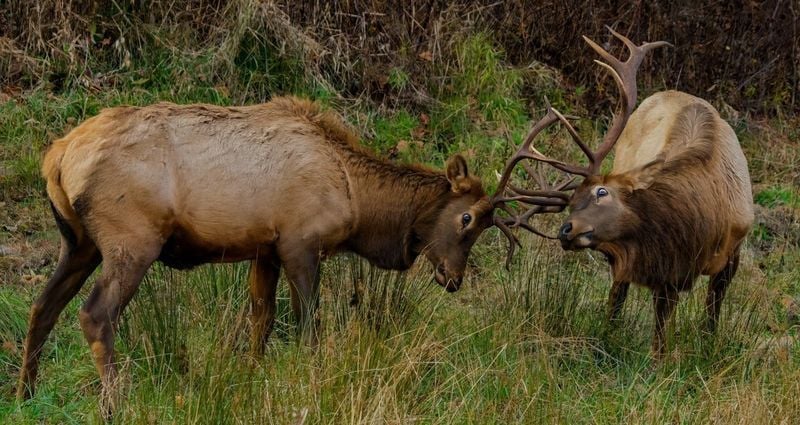
The annual elk breeding season, known as the rut, gets underway in September in Great Smoky Mountains National Park. Visitors must keep at least 50 yards, or 150 feet, away from elk.
RMEF Chief Conservation Officer Blake Henning, 61, told the Citizen Times on July 17 that he's not been notified that his organization will receive the permit, but if it does, it's likely they would hold an online auction to maximize exposure. Henning believes that $100,000 to $300,000 for the permit is "not out of the ballpark."
Remaining revenue from the permits will also be dedicated to elk conservation and management, with the caveat that it should supplement, rather than replace, other funding budgeted for elk management.
The law does not guarantee additional permits after 2027. Instead, the NCWRC will decide whether to continue the program based on its elk management goals.
By March 1, 2028, the agency must submit its first report on the program detailing how much money was raised, whether the permit program should continue and any legislative changes the commission recommends.
Lessons from the past
Herds of eastern elk once roamed much of the eastern United States, but as Europeans began to settle, rapid depopulation ensued due to habitat loss and unrestricted hunting. By 1800, there were no elk in North Carolina. By 1877, the last known wild elk east of the Mississippi River was killed in Pennsylvania.
The National Park Service, in collaboration with nonprofits, began reintroducing Manitoban elk in 2001 with the release of 25 in the Cataloochee Valley section of the Great Smoky Mountains National Park. Now, herds are thought to number about 250, mostly in Haywood, Jackson and Swain counties.
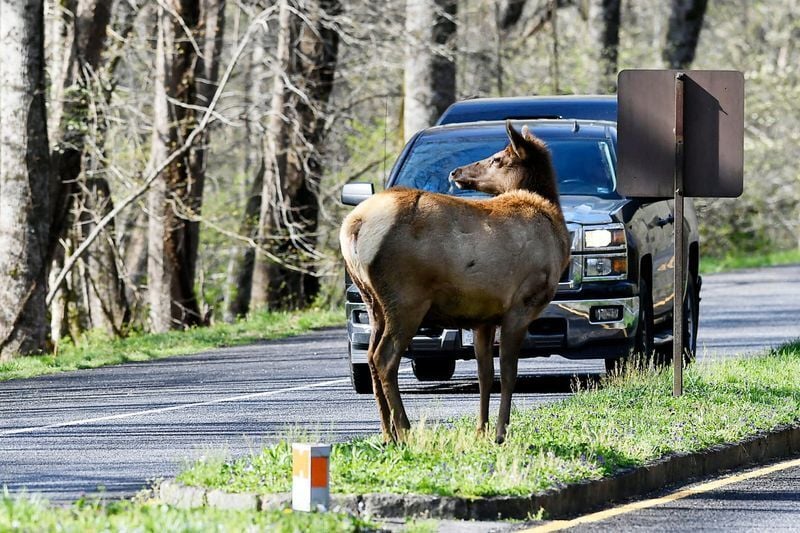
Elk cross the road near the Oconaluftee Visitor Center at Great Smoky Mountain National Park April 11, 2019.
A December 2014 report prepared for the NCWRC by Durham-based consultancy RTI International said that a herd of 55 could support the culling of approximately six male elk annually, but cautions that most other eastern elk herds had exceeded 200 before hunting began.
During public hearings in 2016 on the establishment of an elk hunt, 74% of more than 280 public comments received by the NCWRC were reported as “positive,” according to commission records.
There are, however, a number of concerns about the hunt, many of them encapsulated by Old Fort resident Tori McKinney. McKinney, 28, opposes the hunt on ethical, ecological and animal welfare grounds and also fears that the two permits will fuel demand for more, eventually threatening a herd only recently restored. McKinney also said expanded hunting could diminish nature-based tourism and remove the strongest animals from the population, disrupting the ecosystem.

Tori McKinney, 28, of Old Fort, North Carolina, is concerned about the future of elk hunting.
“And as it gets normalized, and more and more people want to do it, and it's legal for them to do so, I really think that that could devastate future generations of elk,” McKinney told the Citizen Times on July 16.
Rep. Brian Turner, D-Buncombe, a co-sponsor of the bill and formerly the Audubon Society’s policy director, said he didn’t hear much from his constituents on the bill and doesn’t think the elk hunts will expand to the point of jeopardizing the herd’s sustainability.

State Rep. Brian Turner speaks during the launch of the Craft Catalyst Initiative at the Center for Craft in Asheville on July 14, 2026.
“Hunters are conservationists,” Turner told the Citizen Times on July 17, reiterating that most of the funds generated by the permit sales would further conservation efforts. “I think that we would continue to lean on the Wildlife Resource Commission to see what an appropriate number is. Does that become you know two, three, four in the future? Perhaps, but I don't ever see it being the kind of thing like we see with deer.”
USA TODAY Network via Reuters Connect